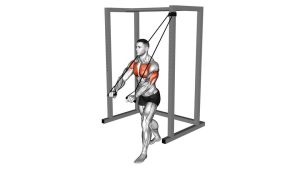
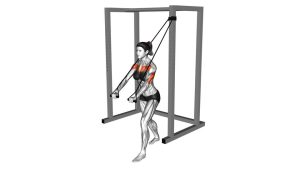
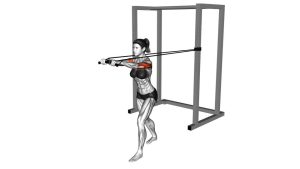
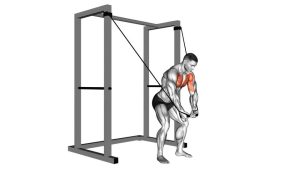
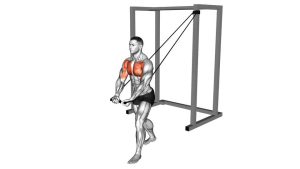
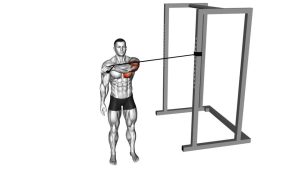
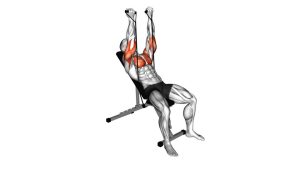
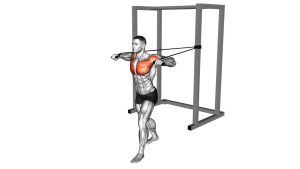
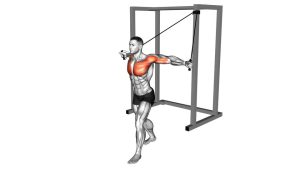
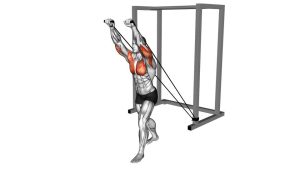
Band Incline Hammer Press: Form, Muscles Worked, Sets & Reps + Tips
Learn the Band Incline Hammer Press to target the upper chest with a neutral-grip press. Step-by-step form, sets & reps by goal, common mistakes, FAQs, and recommended equipment.
Band Incline Hammer Press
This exercise is all about a smooth press path and stable shoulders. Aim for a controlled tempo, keep your ribs down, and press “up and slightly in” while maintaining a neutral grip. You should feel the most work in the upper chest with support from the triceps and front delts.
Quick Overview
| Body Part | Chest |
|---|---|
| Primary Muscle | Upper chest (clavicular head of the pectoralis major) |
| Secondary Muscle | Triceps, anterior deltoids, serratus anterior (stability) |
| Equipment | Resistance bands (ideally with handles) + incline bench (or sturdy back support) |
| Difficulty | Beginner–Intermediate (depends on band tension and bench angle) |
Sets & Reps (By Goal)
- Muscle growth (hypertrophy): 3–5 sets × 8–15 reps (60–90 sec rest)
- Strength focus (band-heavy): 4–6 sets × 5–8 reps (90–150 sec rest)
- Endurance / pump finisher: 2–4 sets × 15–25 reps (30–60 sec rest)
- Warm-up / shoulder-friendly prep: 2–3 sets × 10–15 reps (easy tension, perfect form)
Progression rule: Add reps first (clean tempo and full control). Then increase band tension (heavier band, step forward slightly, or double the band) while keeping shoulders stable and wrists neutral.
Setup / Starting Position
- Set the incline: Use a ~30–45° incline to bias the upper chest without overloading the shoulders.
- Anchor the band securely: Anchor behind you (low-to-mid back level). Ensure it cannot slip or move.
- Grip neutral: Hold handles (or band ends) with palms facing each other. Wrists straight.
- Pack the shoulders: Shoulder blades slightly back and down. Chest up, ribs controlled (no extreme arch).
- Start position: Hands near upper chest line, elbows bent and slightly tucked (about 30–45° from the torso).
Tip: If you feel the shoulders more than the chest, lower the incline angle slightly and keep elbows tucked.
Execution (Step-by-Step)
- Brace and set: Feet planted, core tight, shoulders packed, neutral grip locked in.
- Press smoothly: Drive the hands upward and slightly inward, keeping wrists stacked over elbows.
- Control the top: Stop just short of hard lockout. Squeeze the chest for 1 second without shrugging.
- Lower with control: Return slowly until hands are near the upper chest line. Keep tension—don’t let bands go slack.
- Repeat clean reps: Same press path each time. No bouncing, no rushing the bottom.
Pro Tips & Common Mistakes
- Keep a neutral grip: Palms face each other to keep shoulders comfortable and stable.
- Elbows slightly tucked: Avoid extreme flare—this often shifts stress to the shoulders.
- Don’t over-arch: Keep ribs down so the press comes from chest/triceps, not low-back extension.
- Control the eccentric: Bands want to pull you back—resist and lower smoothly for better chest stimulus.
- Anchor matters: A sliding anchor ruins tension and can be unsafe. Always re-check before sets.
- Find your best incline angle: Too steep can become shoulder-dominant; aim for upper-chest feel.
FAQ
Where should I feel the Band Incline Hammer Press?
Most people feel it in the upper chest with support from triceps and front delts. If you feel mostly shoulders, reduce incline angle, tuck elbows slightly more, and lighten band tension.
Why does it feel hardest near the top?
Bands create variable resistance—tension increases as the band stretches. That makes the top portion (near lockout) more challenging, which can be great for a strong squeeze and controlled lockout.
Do I need an incline bench?
A bench is ideal, but you can also use a sturdy back support (like a stable inclined surface) as long as the band anchor is secure and your pressing path stays controlled.
How do I make it harder without heavier weights?
Use a thicker band, step forward slightly to pre-stretch the band, double the band, slow the eccentric, or add a 1–2 second pause near the top.
Is this shoulder-friendly?
Often yes, because the neutral grip can reduce shoulder stress. Still, keep elbows tucked, don’t flare aggressively, and avoid a steep incline if it causes discomfort.
Recommended Equipment (Optional)
- Resistance Bands Set (with Handles) — multiple tensions for progression and safe gripping
- Resistance Band Door Anchor — creates a secure anchor point for presses and rows
- Adjustable Incline Bench — lets you dial in the best angle for upper-chest emphasis
- Band Handles / Grip Attachments — more comfortable pressing, better wrist alignment, less slipping
- Band Bar Attachment — improves symmetry and stability when pressing with bands
Tip: Prioritize a secure anchor and a comfortable grip. Better stability almost always means better chest activation and safer reps.