Deep Push-Up on Parallel Bars: Full-ROM Chest Builder, Form, Sets & FAQ
Train your chest through a deeper range of motion with the Deep Push-Up on Parallel Bars. Learn perfect setup, step-by-step form, sets by goal, common mistakes, FAQs, and recommended gear.
Deep Push-Up on Parallel Bars
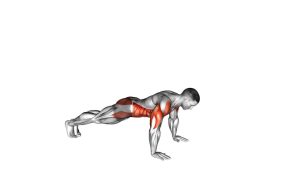
This exercise rewards control. The deeper bottom position can be very effective for the chest, but only if you keep your shoulders stable and avoid “dumping” into the joint. Lower until you feel a strong stretch across the pecs while still feeling supported through the shoulders and upper back.
Quick Overview
| Body Part | Chest |
|---|---|
| Primary Muscle | Pectoralis major (mid/lower emphasis from deeper stretch) |
| Secondary Muscle | Triceps, anterior deltoids, serratus anterior, core stabilizers |
| Equipment | Parallel bars / dip bars / sturdy parallettes |
| Difficulty | Intermediate (advanced if using extreme depth, slow tempo, or weighted) |
Sets & Reps (By Goal)
- Muscle growth (hypertrophy): 3–5 sets × 6–12 reps (2–3 sec lower, 60–120 sec rest)
- Strength focus: 4–6 sets × 3–6 reps (longer rest 2–3 min, slower eccentric)
- Endurance / conditioning: 2–4 sets × 12–20 reps (45–75 sec rest, perfect form)
- Skill + control: 3–4 sets × 5–8 reps (1–2 sec pause at the bottom, clean reps)
Progression rule: First increase reps or tempo control. Then increase depth. Only add load (vest/plates) after you can keep your shoulders stable for every rep.
Setup / Starting Position
- Set the bars: Use stable parallel bars or parallettes that won’t slide. Place them shoulder-width or slightly wider.
- Grip + stack: Hands centered on the bars, wrists neutral. Start with shoulders stacked over hands.
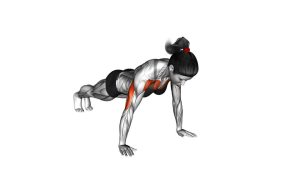
- Body line: Legs straight, glutes squeezed, ribs down. Make a straight line from head to heels.
- Scapular position: “Push the floor away” lightly to set the shoulder blades—avoid sinking between the shoulders.
- Neck neutral: Look slightly forward/down. Don’t crane the neck.
Tip: If your shoulders feel cranky, start with a smaller depth and a slower lower. Quality reps beat deeper reps.
Execution (Step-by-Step)
- Breathe + brace: Inhale gently and lock in a tight torso (abs + glutes on).
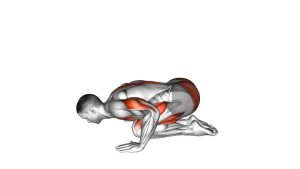
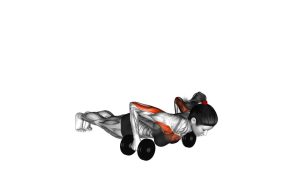
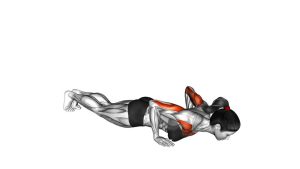
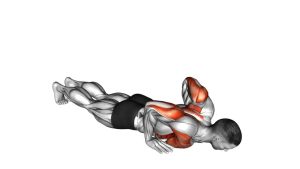
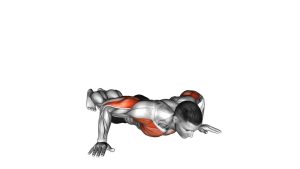
- Lower under control: Bend the elbows and descend with a 2–3 second eccentric. Keep elbows around 30–60° from your ribs.
- Reach a strong stretch: Let the chest sink slightly below the bars only as far as your shoulders feel stable—no “drop” or collapse.
- Pause (optional): Hold 0.5–1 second to eliminate bounce and keep tension.
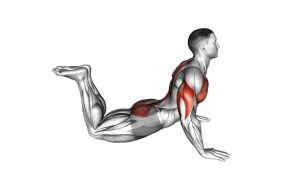
- Press up smoothly: Drive the bars down, extend elbows, and return to a locked-out plank without shrugging.
Pro Tips & Common Mistakes
- Own the bottom: Depth is great, but only if you can pause without shoulder discomfort.
- Elbows not “T-shaped”: Excessive flare shifts stress to the shoulder joint—keep a moderate elbow angle.
- Keep a rigid plank: Squeezing glutes + abs prevents low-back sag and keeps force on the chest.
- No bounce: Bouncing off the bottom reduces tension and can irritate shoulders.
- Drive the bars down: Think “push the bars through the floor” to keep the press powerful and stable.
- Progress smart: Add tempo, pauses, and reps before adding extreme depth or weight.
FAQ
Where should I feel deep push-ups on parallel bars?
Mainly across the chest, with strong support from the triceps and front delts. You’ll often feel a bigger stretch at the bottom than with floor push-ups. If you feel pinching in the front of the shoulder, reduce depth and slow the eccentric.
Is this better than regular push-ups for chest growth?
It can be, because the bars allow more range of motion and a bigger pec stretch. But “better” depends on control and comfort—perfect reps with moderate depth beat sloppy deep reps.
How deep should I go?
Go as deep as you can while keeping shoulders stable and pain-free. Start with a shallow deficit, then gradually increase depth over weeks as your shoulders adapt.
How can I make it harder without adding weight?
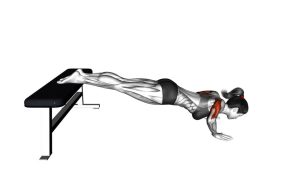
Use slower eccentrics (3–5 seconds), add a 1–2 second pause at the bottom, elevate the feet, or use a narrower bar spacing (if shoulders tolerate it).
Who should avoid this exercise?
Anyone with current shoulder pain, instability, or limited shoulder extension tolerance should start with standard push-ups or incline push-ups first, and progress cautiously.
Recommended Equipment (Optional)
- Push-Up Parallettes — stable handles for wrist comfort and deeper range of motion
- Dip Bars / Parallel Bar Station — taller setup for deep reps and additional calisthenics movements
- Weighted Vest — simple way to add progressive overload once form is solid
- Resistance Bands Set — use for assistance (looped) or pairing with back/posture work
- Thick Exercise Mat — adds comfort for knees/toes and helps prevent slipping
Tip: Choose equipment that feels stable. Instability is useful only after you can control a strict rep on a solid setup.