Ring Archer Push-Up on Rings: Form, Sets, Tips & FAQ
Learn the Ring Archer Push-Up (Gymnastic Rings) to build unilateral chest strength, shoulder stability, and core control. Step-by-step form, sets by goal, common mistakes, FAQs, and recommended ring equipment.
Ring Archer Push-Up (Gymnastic Rings)
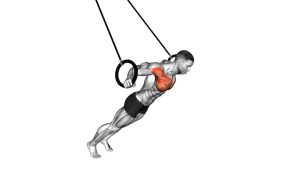
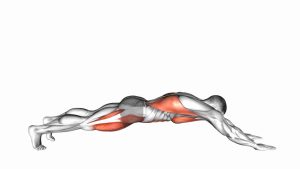
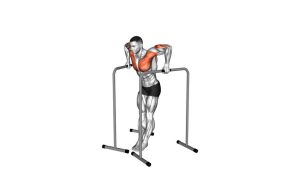
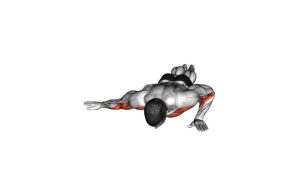
Rings add instability—your chest, shoulders, and core must coordinate to keep the rings steady and your torso aligned. Your best reps feel like a smooth side-to-side press with minimal ring wobble and a stable plank (no twisting hips, no collapsing shoulders). If control breaks, raise the rings or reduce range.
Quick Overview
| Body Part | Chest |
|---|---|
| Primary Muscle | Pectoralis major (sternal fibers emphasized) |
| Secondary Muscle | Anterior deltoids, triceps, serratus anterior, rotator cuff, core (anti-rotation) |
| Equipment | Gymnastic rings + straps/anchor (optional: resistance band for assistance) |
| Difficulty | Advanced |
Sets & Reps (By Goal)
- Strength: 4–6 sets × 2–5 reps per side (90–150 sec rest)
- Hypertrophy: 3–5 sets × 6–10 reps total (3–5 per side) (60–120 sec rest)
- Control & Stability: 3–5 sets × 3–6 slow reps total (3–5 sec lowering) (60–120 sec rest)
- Endurance (if form stays perfect): 2–4 sets × 10–16 reps total (45–75 sec rest)
Progression rule: Master steady rings + stable plank first, then add reps. Lower the rings only after your technique stays clean under fatigue.
Setup / Starting Position
- Set ring height: Start high (waist-to-chest height). Lower gradually as you get stronger.
- Grip & spacing: Neutral grip; rings slightly wider than shoulders at lockout.
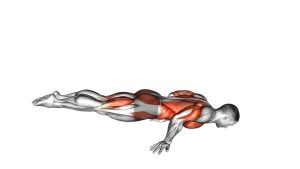
- Plank position: Body in one line—glutes tight, ribs down, neck neutral.
- Pack the shoulders: Down and slightly back—avoid shrugging.
- Stable base: Feet wider than a normal push-up for balance (narrow later to increase demand).
Tip: If wrists feel stressed, rotate rings slightly to a comfortable angle and keep wrists neutral.
Execution (Step-by-Step)
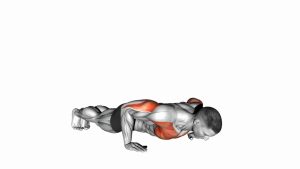
- Start at lockout: Arms straight, rings steady, core braced, hips level.
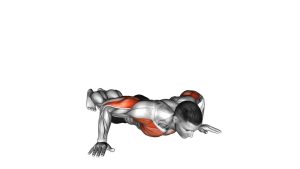
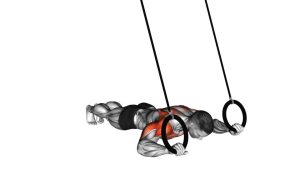
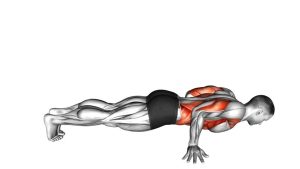
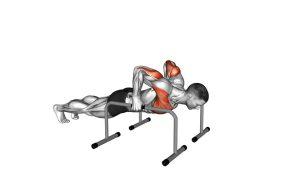
- Shift to one side: Move your chest slightly toward one ring to load that side.
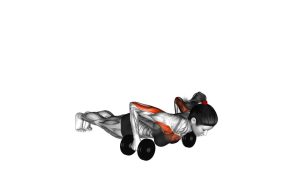
- Lower under control: Bend the working elbow; the other arm stays more extended for support.
- Keep hips square: Shift your torso without twisting your pelvis.
- Press up: Drive through the working arm back to the top.
- Switch sides: Re-center at lockout, then repeat on the other side.
Pro Tips & Common Mistakes
Pro Tips
- Pause at the top: Reset and “quiet” the rings before each rep.
- Slow eccentric: 3–5 seconds down improves stability and shoulder comfort.
- Elbow angle: Keep the working elbow about 30–60° from your torso (not extreme flare).
- Brace hard: Ribs down + glutes tight = less rotation.
Common Mistakes
- Hip rotation: Twisting reduces chest work and can stress the shoulder.
- Shrugging: Elevating shoulders destabilizes the joint.
- Rings drifting behind you: Keep rings in front/under the shoulders—avoid overreaching.
- Too much range too soon: Earn depth slowly; prioritize control.
FAQ
Where should I feel the Ring Archer Push-Up?
Mostly in the chest of the working side, with support from the shoulders, triceps, and core. If you feel shoulder pinching, reduce range and raise the rings.
What’s the best regression?
Start with standard ring push-ups at a higher ring height, then add a smaller archer shift before progressing to deeper, more unilateral reps.
How do I make it more chest-focused?
Control the descent, keep shoulders packed, and shift the torso toward the working ring without twisting the hips. Think: “chest toward ring, hips stay square.”
How often should I train it?
Typically 1–3 times per week depending on intensity. Rings tax stabilizers heavily, so keep volume moderate and recover well.
Recommended Equipment (Optional)
- Wooden Gymnastic Rings — secure grip and comfortable feel for ring push-up variations
- Numbered Ring Straps — fast height matching and consistent setup
- Door Anchor Strap (Rings/Suspension) — easy indoor anchor option (verify door strength and safety)
- Loop Resistance Bands Set — helpful for assisted reps and warm-ups
- Liquid Chalk — improves grip and reduces slipping during slow eccentrics
Tip: If any product increases pain or instability, stop and reassess. Progress ring difficulty slowly and focus on perfect control.