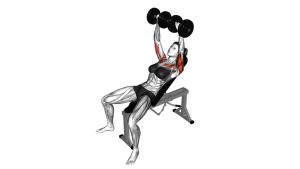
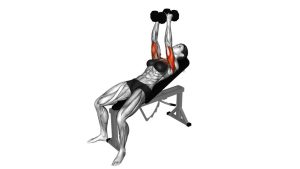
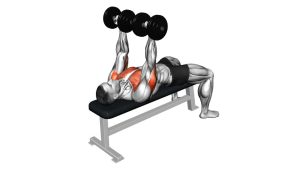
Dumbbell Squeeze Bench Press: Proper Form, Muscles Worked, Sets, Tips & FAQ
Learn how to perform the Dumbbell Squeeze Bench Press with proper form to build chest strength and inner-pec tension. Includes muscles worked, setup, step-by-step execution, sets and reps by goal, common mistakes, FAQs, and recommended Amazon equipment.
Dumbbell Squeeze Bench Press
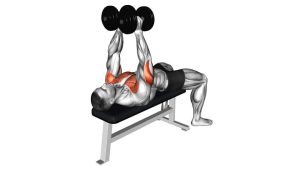
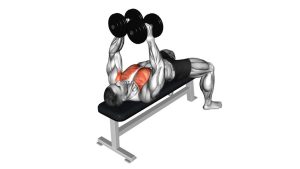
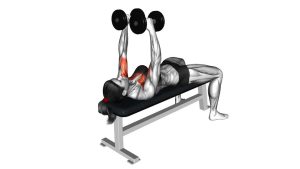
This exercise works best with moderate loads, smooth tempo, and continuous tension. Instead of letting the dumbbells drift apart like a standard bench press, you keep them pressed inward from start to finish. That changes the feel of the movement dramatically: the chest stays engaged not only during the press, but also during the lowering phase. It is a great choice for lifters who want a stronger mind-muscle connection, more pec involvement, and a shoulder-friendly pressing variation.
Quick Overview
| Body Part | Chest |
|---|---|
| Primary Muscle | Pectoralis major |
| Secondary Muscle | Anterior deltoids, triceps brachii, serratus anterior |
| Equipment | Two dumbbells and a flat weight bench |
| Difficulty | Beginner to intermediate |
Sets & Reps (By Goal)
- Muscle growth: 3-4 sets × 8-12 reps with a controlled 2-3 second lowering phase
- Chest pump / finisher: 2-3 sets × 12-15 reps using lighter dumbbells and nonstop tension
- Strength-focused accessory: 3-4 sets × 6-8 reps with strict form and steady tempo
- Mind-muscle connection practice: 2-3 sets × 10-12 reps with a 1-2 second squeeze at the top
Progression rule: Add reps before adding weight. If the dumbbells start separating, your shoulders roll forward, or you lose the squeeze, the load is too heavy for this variation.
Setup / Starting Position
- Lie flat on the bench: Plant your feet firmly on the floor and keep your head, upper back, and glutes in contact with the bench.
- Set the shoulders: Pull your shoulder blades slightly down and back to create a stable upper-back base.
- Grab the dumbbells: Hold one in each hand with a neutral grip so the palms face each other.
- Bring the bells together: Position them over the mid-chest line and press them gently into each other.
- Brace lightly: Keep the ribcage controlled, wrists straight, and core engaged before starting the first rep.
Tip: Start with lighter dumbbells than you would use for a normal flat dumbbell bench press. The constant squeeze makes moderate weights feel much harder.
Execution (Step-by-Step)
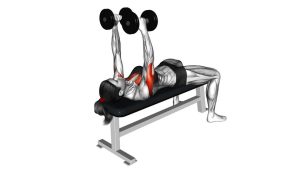
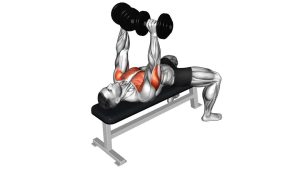
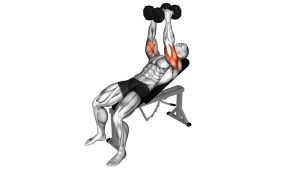
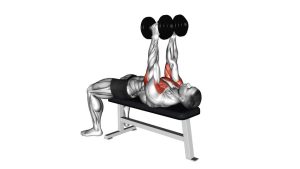
- Start at the top: Hold the dumbbells above your chest with your arms nearly straight and the weights touching.
- Squeeze inward: Create active pressure by pressing the dumbbells toward each other before you begin the descent.
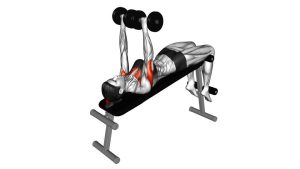
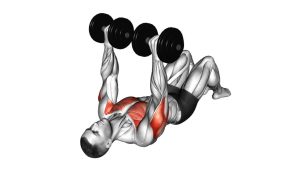
- Lower slowly: Bend the elbows and bring the dumbbells down toward the chest while keeping them connected or nearly connected.
- Keep elbows controlled: Let the elbows track at roughly 30-45 degrees from the torso rather than flaring straight out.
- Reach the bottom position: Stop when the dumbbells are just above chest level and your shoulders still feel packed and stable.
- Press back up: Drive the dumbbells vertically toward the top while maintaining the squeeze the entire time.
- Finish with tension: Stop just short of an aggressive lockout and keep the chest engaged before the next repetition.
Pro Tips & Common Mistakes
- Keep constant inward pressure: The squeeze is the point of the exercise, not just the press.
- Use lighter loads than usual: This variation rewards control and tension more than maximal weight.
- Do not flare the elbows excessively: A moderate elbow angle usually feels better on the shoulders and keeps the pecs loaded.
- Lower with intent: The eccentric phase is where you can build a lot of tension and stability.
- Do not crash at the bottom: Avoid bouncing or relaxing into the shoulder joint.
- Keep wrists stacked: Letting the wrists fold back reduces force transfer and can create unnecessary strain.
- Avoid shrugging: Keep the neck relaxed and shoulders away from the ears.
- Use it after heavy pressing: It works especially well after barbell or standard dumbbell presses as a chest-focused accessory.
FAQ
What is the difference between a dumbbell squeeze bench press and a regular dumbbell bench press?
In a regular dumbbell bench press, the dumbbells move independently and usually stay shoulder-width apart. In the squeeze version, you press the dumbbells inward throughout the set, which increases continuous chest tension.
What muscles does the dumbbell squeeze bench press work?
The main target is the pectoralis major. The triceps and anterior deltoids assist the press, while the upper back and core help stabilize your body on the bench.
Is this exercise good for inner chest?
No exercise isolates a separate “inner chest” muscle, but the inward pressure in this variation can increase the feeling of contraction near the midline of the chest and improve overall pec engagement.
How heavy should I go?
Use less weight than your normal dumbbell bench press. Choose a load that lets you keep the dumbbells together, maintain a stable shoulder position, and feel the pecs working through the full set.
Where should I place this in my workout?
It fits well after your main pressing movement as a hypertrophy accessory, or later in the session as a chest finisher when you want more tension without extremely heavy loading.
Recommended Equipment
- Adjustable Dumbbell Set — the most direct tool for progressive overload and home chest pressing
- Flat Weight Bench — provides a stable base for pressing mechanics and consistent range of motion
- Resistance Bands Set — useful for chest warm-ups, activation drills, and extra pressing volume
- Push-Up Handles — a helpful bodyweight chest accessory when you want more pressing without heavy loading
- Exercise Mat — useful for floor-based warm-ups, mobility work, and post-workout stretching
Tip: Prioritize a stable bench and dumbbells first. Those two items deliver the biggest carryover for this specific exercise.