Dumbbell Glute Bridge Chest Press: Form, Muscles Worked, Sets, Tips & FAQ
Learn how to do the Dumbbell Glute Bridge Chest Press with proper form. Discover muscles worked, setup, step-by-step execution, sets and reps by goal, mistakes to avoid, FAQs, and recommended equipment.
Dumbbell Glute Bridge Chest Press
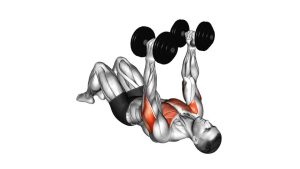
Unlike a standard dumbbell floor press, this variation adds a lower-body demand by requiring you to keep the hips lifted in a stable bridge position. That means you are not just pressing the weights—you are also resisting pelvic drop, keeping the ribs controlled, and maintaining full-body tension from shoulders to knees. Done correctly, it delivers a strong chest stimulus while also reinforcing glute activation and trunk control.
Quick Overview
| Body Part | Chest |
|---|---|
| Primary Muscle | Pectoralis major |
| Secondary Muscle | Gluteus maximus, triceps brachii, anterior deltoids, core stabilizers, hamstrings |
| Equipment | Dumbbells, exercise mat or padded floor |
| Difficulty | Beginner to Intermediate |
Sets & Reps (By Goal)
- Muscle building: 3–4 sets × 8–12 reps with controlled lowering and a steady bridge hold
- Strength focus: 4–5 sets × 5–8 reps using heavier dumbbells while keeping perfect hip position
- Stability and control: 2–4 sets × 8–10 reps with a 2–3 second pause at the top of the bridge
- Home workout conditioning: 2–3 sets × 12–15 reps using moderate weight and short rest periods
Progression tip: Increase load only after you can keep the hips high, ribs down, and dumbbell path consistent across every rep.
Setup / Starting Position
- Lie on your back: Position yourself on the floor with knees bent and feet flat, about hip-width apart.
- Place the dumbbells: Hold one dumbbell in each hand at chest level with elbows bent and resting near the floor.
- Set your shoulders: Pull the shoulder blades down and back slightly so the upper body feels stable.
- Brace the core: Keep the ribs from flaring and prepare to lift the hips without arching the lower back.
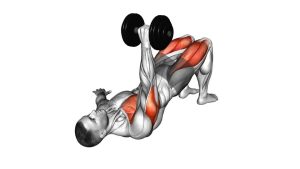
- Drive into a bridge: Push through the heels and raise the hips until your body forms a straight line from shoulders to knees.
Your head and upper back stay grounded while the glutes stay squeezed to maintain the bridge position.
Execution (Step-by-Step)
- Hold the bridge: Start with hips elevated, glutes tight, and feet planted firmly into the floor.
- Press the dumbbells up: Drive the weights vertically over the chest until the arms are nearly straight.
- Keep tension through the hips: Do not let the pelvis sag as the weights move upward.
- Lower under control: Bring the dumbbells back down slowly until the elbows lightly contact or hover just above the floor.
- Repeat smoothly: Continue pressing while maintaining the same bridge height and body alignment from rep to rep.
Pro Tips & Common Mistakes
- Press over the chest: Keep the dumbbells stacked over the chest and shoulders, not drifting toward the face.
- Use the glutes, not the low back: Squeeze the glutes hard to maintain hip extension without lumbar over-arching.
- Keep elbows slightly tucked: A moderate elbow angle is usually more shoulder-friendly than flaring straight out.
- Control the eccentric: Lowering too fast often causes the hips to drop and the shoulders to lose position.
- Do not overstride the feet: If the feet are too far away, the bridge becomes weaker and hamstrings may dominate too much.
- Start lighter than usual: You will often need less weight than in a standard dumbbell floor press because of the extra stability demand.
FAQ
What muscles does the Dumbbell Glute Bridge Chest Press work?
The main target is the chest, especially the pectoralis major. It also trains the glutes isometrically, while the triceps, front delts, hamstrings, and core assist with pressing and stabilization.
Is this better than a regular dumbbell floor press?
It is not necessarily better for every goal, but it is more demanding from a stability and full-body tension standpoint. If you want more glute and core involvement while pressing, it is an excellent variation.
Can beginners do this exercise?
Yes. Beginners can start with very light dumbbells or even bodyweight bridge holds first. Once the bridge position feels solid, adding the press becomes much easier and safer.
Should I pause at the top of the press?
A brief pause at the top can help reinforce control, but the most important part is keeping the hips lifted and the dumbbells moving smoothly.
What if I feel it more in my hamstrings than my glutes?
Move your feet a little closer to your hips, brace your abs, and focus on squeezing the glutes before each rep. Also make sure you are not over-arching the lower back to create the bridge.
Recommended Equipment
- Adjustable Dumbbell Set — the most direct tool for loading this exercise at home
- Resistance Band Set with Handles — useful for chest assistance work, warm-ups, and upper-back balance training
- Thick Exercise or Yoga Mat — adds comfort and support during floor pressing and glute bridge work
- Flat Weight Bench — a useful progression tool for standard dumbbell presses and other chest variations
- Adjustable Weight Bench — expands your pressing options for flat, incline, and accessory dumbbell work
Choose dumbbells that let you keep the bridge stable first. In this exercise, good control beats heavier weight.