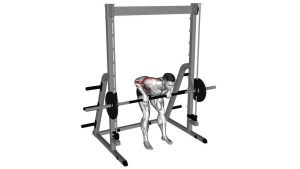
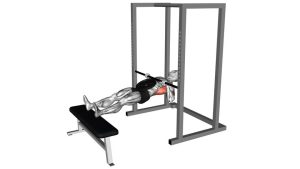
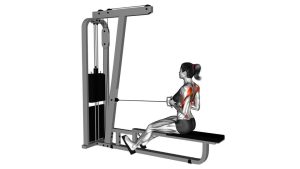
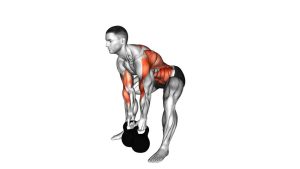
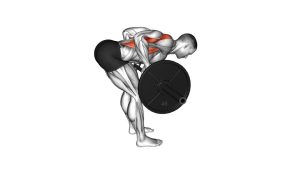
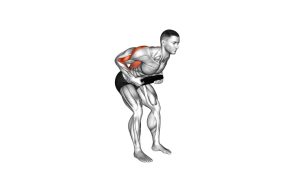
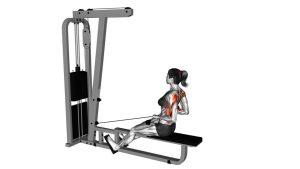
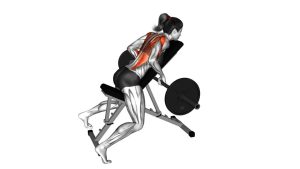
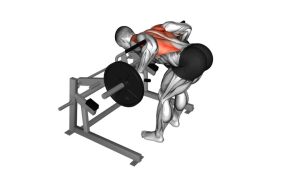
Cable Decline Seated Wide-Grip Row: Form, Muscles Worked, Sets, Tips & FAQ
Learn how to perform the Cable Decline Seated Wide-Grip Row with proper form. Discover muscles worked, setup, execution, sets and reps by goal, common mistakes, FAQs, and recommended equipment.
Cable Decline Seated Wide-Grip Row
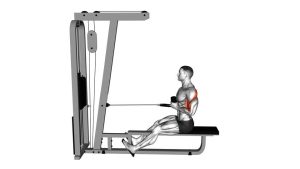
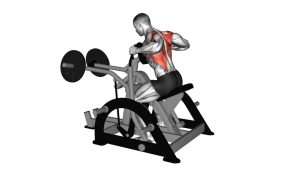
This exercise is best performed with a controlled tempo, a proud chest against the pad, and a deliberate effort to pull the elbows back and slightly out. Because the torso is supported, the movement is excellent for lifters who want to train the back hard while minimizing lower-back fatigue. Keep the range smooth, avoid shrugging, and finish each rep by squeezing the shoulder blades together without overextending the chest off the support.
Quick Overview
| Body Part | Back |
|---|---|
| Primary Muscle | Latissimus dorsi, rhomboids, middle trapezius |
| Secondary Muscle | Rear deltoids, teres major, biceps, brachialis, forearms |
| Equipment | Cable row machine or chest-supported cable row station with a wide-grip bar / wide row attachment |
| Difficulty | Intermediate |
Sets & Reps (By Goal)
- Muscle growth: 3–4 sets × 8–12 reps with controlled eccentrics and a hard squeeze at peak contraction
- Strength-focused back work: 4–5 sets × 5–8 reps using heavier loads without sacrificing chest support or scapular control
- Technique / mind-muscle work: 2–4 sets × 10–15 reps with a 1–2 second pause at the contracted position
- Posture / upper-back accessory work: 2–3 sets × 12–15 reps with moderate weight and very clean form
Progression rule: Add reps before adding load when possible. If the shoulders shrug, the chest lifts off the pad, or the range shortens noticeably, the weight is too heavy.
Setup / Starting Position
- Adjust the machine: Set yourself on the decline chest-supported row station so your chest rests securely against the pad and your feet are stable.
- Choose a wide overhand grip: Grab the wide row handle or wide cable bar with hands wider than shoulder width.
- Brace your body: Keep your chest connected to the support pad, spine neutral, and head in line with your torso.
- Start with arms extended: Let the arms reach forward under control so the shoulder blades can move naturally into a slight stretch.
- Set the shoulders: Avoid shrugging. Think long neck, proud chest, and tension through the upper back before the first rep begins.
Tip: A chest-supported setup helps isolate the back more effectively by removing much of the body English seen in unsupported row variations.
Execution
- Initiate with the back: Start the rep by pulling the shoulder blades back rather than yanking with the arms first.
- Drive the elbows back and out: Pull the handle toward the upper abdomen or lower chest area while keeping the elbows flared slightly outward.
- Keep the chest planted: Maintain full contact with the pad and avoid rocking or lifting the torso to gain momentum.
- Squeeze at the top: Pause briefly when the handle reaches your torso and focus on contracting the upper back hard.
- Lower under control: Extend the arms slowly and allow the shoulder blades to protract naturally without losing posture.
Pro Tips & Common Mistakes
- Lead with the elbows: This helps shift focus into the back instead of overusing the biceps.
- Don’t shrug at the top: Keep the traps from dominating by maintaining a long neck and depressed shoulders.
- Use a full stretch: Let the shoulder blades move forward slightly at the bottom to train through a fuller range.
- Control the eccentric: The lowering phase builds more tension and keeps the movement honest.
- Don’t bounce off the pad: Chest support is there for stability, not for generating momentum.
- Avoid excessive elbow flare: A wide grip will naturally widen the elbows, but they should still follow a controlled path.
- Match the load to the goal: Lighter, cleaner reps often build more back tension than heavy sloppy reps.
FAQ
What muscles does the Cable Decline Seated Wide-Grip Row work the most?
It mainly targets the lats, rhomboids, and middle traps, while the rear delts, biceps, and forearms assist during the pull. The wide grip tends to increase upper-back involvement.
Is this more of a lat exercise or an upper-back exercise?
It trains both, but this version usually feels more like an upper-back dominant row because of the wide grip, chest support, and elbow path. It is especially useful for building back thickness and scapular control.
Should I pull to my chest or stomach?
Most lifters should pull toward the upper abdomen or lower chest, depending on machine setup and arm length. The key is keeping the wrists, elbows, and handle path smooth and repeatable.
Is this exercise beginner-friendly?
Yes, especially compared with unsupported barbell rows. The chest pad gives more stability, which makes it easier to learn proper back engagement. Beginners should start light and focus on clean scapular movement.
Can I use this exercise instead of standard seated cable rows?
Yes. It can be a great substitute when you want more upper-back emphasis, more support, or less lower-back fatigue. Many lifters rotate both variations for balanced development.
Recommended Equipment (Optional)
- Wide-Grip Lat Pulldown / Row Bar — useful for recreating a wide pulling path on compatible cable stations
- Cable Row Attachment — ideal if you want more handle options for back training variety
- Seated Row Machine / Chest-Supported Row Station — the most direct setup for stable, heavy rowing work
- Lifting Straps — helpful when grip fatigue limits your back training before your target muscles are done
- Resistance Band Set — useful for warm-ups, shoulder prep, and extra upper-back activation before rows
Tip: Accessories should improve setup quality and muscle targeting, not replace solid technique and consistent programming.