Cable Seated Wide-Grip Row: Form, Muscles Worked, Sets, Tips & FAQ
Learn how to do the Cable Seated Wide-Grip Row with proper form. Discover muscles worked, setup, execution steps, sets and reps by goal, common mistakes, FAQs, and recommended equipment.
Cable Seated Wide-Grip Row
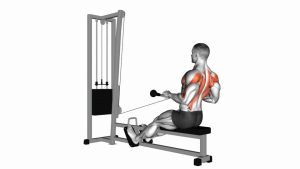
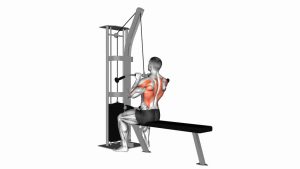
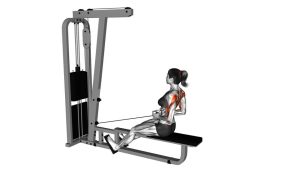
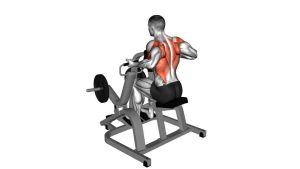
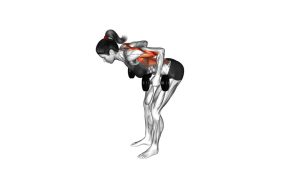
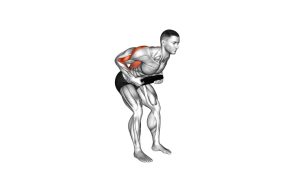
This variation is excellent for building back thickness, improving scapular control, and reinforcing stronger pulling mechanics. It works best when you initiate the rep by drawing the shoulders back, then driving the elbows behind the body without excessive torso swinging. Done correctly, you should feel the movement mostly across the mid-back and rear shoulder region, not only in the arms or lower back.
Quick Overview
| Body Part | Back |
|---|---|
| Primary Muscle | Rhomboids, Middle Trapezius, Latissimus Dorsi |
| Secondary Muscle | Rear Deltoids, Teres Major, Biceps, Brachialis, Brachioradialis |
| Equipment | Cable row machine or low pulley station with a wide-grip row attachment |
| Difficulty | Beginner to Intermediate |
Sets & Reps (By Goal)
- Muscle growth: 3–4 sets × 8–12 reps with controlled tempo and a full squeeze
- Strength focus: 4–5 sets × 5–8 reps using heavier load without sacrificing posture
- Technique and control: 2–4 sets × 10–15 reps with slower eccentrics and moderate weight
- Posture and upper-back endurance: 2–3 sets × 12–20 reps with strict form and minimal body swing
Progression rule: Add reps first, then increase load gradually once you can keep the chest up, elbows tracking cleanly, and shoulder blades moving smoothly through each repetition.
Setup / Starting Position
- Set the machine: Attach a wide-grip row handle to a low cable and select an appropriate weight.
- Sit tall: Sit on the bench with your feet firmly placed against the footplates and knees slightly bent.
- Grab the handle wide: Use a pronated or overhand grip with hands set wide enough to keep the elbows slightly flared.
- Brace your body: Lift the chest, engage the core, and keep a neutral spine without rounding forward.
- Start under tension: Arms are extended, shoulders slightly protracted, and the cable is taut before the first rep begins.
Tip: Start with a weight that lets you feel the upper back working. If your torso rocks back and forth, the load is probably too heavy.
Execution (Step-by-Step)
- Initiate with the upper back: Begin by pulling the shoulder blades back and down slightly rather than yanking with the arms.
- Drive the elbows back: Pull the handle toward your mid-to-upper torso while keeping the elbows moving out and behind you.
- Keep the chest proud: Maintain a tall posture and avoid collapsing through the upper back as you row.
- Pause at peak contraction: Briefly squeeze the shoulder blades together when the handle reaches the torso.
- Return under control: Slowly extend the arms and allow the shoulders to protract naturally without losing spinal alignment.
- Repeat smoothly: Perform each rep with consistent tempo, avoiding sudden jerks or bouncing at either end of the movement.
Pro Tips & Common Mistakes
- Lead with the elbows, not the wrists: Think about driving the elbows back to train the upper back more effectively.
- Do not overlean: A slight natural torso movement is fine, but excessive rocking turns the exercise into a momentum drill.
- Keep the neck neutral: Avoid jutting the chin forward or shrugging the shoulders during the pull.
- Use full scapular motion: Let the shoulder blades move forward on the stretch, then pull them back together on the row.
- Don’t shorten the rep: Partial rows reduce the stretch and contraction that make this movement effective.
- Avoid loading too heavy too early: This exercise rewards control, especially at the top where upper-back tension matters most.
- Match the grip to the goal: A wider grip increases upper-back emphasis, especially across the rhomboids and middle traps.
FAQ
What muscles does the Cable Seated Wide-Grip Row work most?
It mainly targets the rhomboids, middle trapezius, and latissimus dorsi, while the rear delts and elbow flexors assist throughout the pull.
How is a wide-grip seated row different from a close-grip seated row?
A wide grip generally shifts more emphasis toward the upper and mid-back, especially the rhomboids, middle traps, and rear delts, while a close grip often feels more lat-focused.
Where should I pull the handle to?
Most lifters should pull the handle toward the mid-to-upper torso while keeping the chest up and elbows tracking naturally behind the body.
Should I lean back during the row?
Only minimally. A small natural torso movement can happen, but the row should not become a body swing. Your trunk should stay mostly stable so the back muscles do the work.
Is this exercise good for posture?
Yes. When performed with proper scapular control, it can help strengthen the muscles that support better shoulder positioning and upper-back posture.
Recommended Equipment
- Seated Row Handle Attachment — useful if you want a dedicated metal attachment for cable rows and upper-back work
- Wide-Grip Cable Row Attachment — a better match for this variation because it supports a wider elbow path and stronger upper-back emphasis
- Cable Machine D-Handles — good for adding unilateral row work and improving grip comfort on cable exercises
- Weightlifting Straps — helpful if grip fatigue limits your back training before the target muscles are fully challenged
- Cable Attachment Set — convenient if you want multiple handles for rows, pulldowns, triceps work, and home gym versatility
Tip: Choose attachments with secure welds, comfortable grip texture, and enough width to match your shoulder structure and training goals.