Cable Underhand Pulldown: Proper Form, Muscles Worked, Sets, Tips & FAQ
Learn how to perform the Cable Underhand Pulldown with proper form to build lat width, improve back strength, and train the biceps through a strong vertical pulling pattern. Includes setup, execution, sets and reps, mistakes, FAQs, and recommended equipment.
Cable Underhand Pulldown
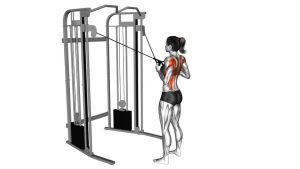
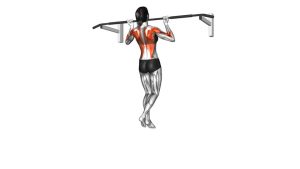
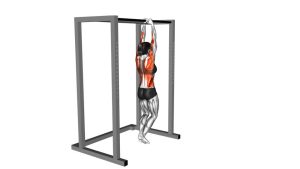
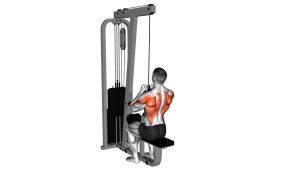
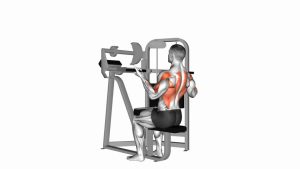
This variation usually feels stronger and more natural for many lifters than a wide overhand pulldown. The underhand grip can improve arm involvement, but the exercise should still be driven mainly by the lats and upper back, not by yanking with the hands. Keep the chest proud, the torso stable, and think about driving the elbows down toward your ribs on every rep.
Quick Overview
| Body Part | Back |
|---|---|
| Primary Muscle | Latissimus dorsi |
| Secondary Muscle | Biceps brachii, brachialis, teres major, rhomboids, middle traps, rear delts |
| Equipment | Cable lat pulldown machine with straight bar attachment |
| Difficulty | Beginner to Intermediate |
Sets & Reps (By Goal)
- Muscle growth: 3-4 sets x 8-12 reps with controlled tempo and 60-90 sec rest
- Strength focus: 4-5 sets x 5-8 reps with heavier load and 90-120 sec rest
- Technique practice: 2-3 sets x 10-15 reps with light-to-moderate weight
- Back workout finisher: 2-3 sets x 12-15 reps with full stretch and strict form
Progression tip: Add reps first, then increase load in small jumps while keeping the torso steady and the bar path consistent toward the upper chest.
Setup / Starting Position
- Adjust the machine: Set the thigh pad so your legs are secured firmly without being crushed under the support.
- Select the attachment: Use a straight bar or similar pulldown bar and attach it to the top pulley.
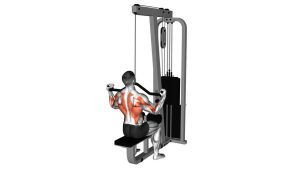
- Take an underhand grip: Grab the bar with palms facing you at about shoulder-width or slightly narrower.
- Sit tall: Plant your feet flat, brace your core, and lift your chest without over-arching the lower back.
- Start from a full stretch: Let the arms extend overhead while keeping the shoulders controlled rather than shrugged aggressively.
A slightly narrower underhand grip often feels strongest and helps keep the elbows moving in a clean downward path.
Execution (Step-by-Step)
- Set the upper body: Sit tall with a proud chest, neutral spine, and only a slight backward lean.
- Initiate with the back: Pull the shoulders down away from the ears before bending the elbows hard.
- Drive elbows down: Bring the elbows toward your sides as you pull the bar down in front of you.
- Reach the bottom position: Lower the bar toward the upper chest or collarbone area without collapsing posture.
- Squeeze briefly: Pause for a moment and contract the lats while keeping the chest open.
- Return under control: Let the bar travel back up slowly until the arms are fully extended and the lats are stretched again.
Pro Tips & Common Mistakes
- Lead with the elbows, not the hands: Think about pulling your elbows down instead of curling the bar with the biceps.
- Keep the chest up: A lifted chest helps the lats and upper back stay in a better pulling position.
- Do not over-lean: A small backward lean is fine, but too much turns the pulldown into a hybrid row.
- Use full range of motion: Stretch fully at the top and control the bottom position instead of cutting reps short.
- Avoid shrugging: Shoulders rising toward the ears reduces lat engagement and often creates unnecessary neck tension.
- Do not slam the weight stack: The eccentric phase should stay smooth and controlled.
- Watch wrist position: Keep wrists mostly neutral and avoid excessive curling or bending under load.
FAQ
What muscles does the cable underhand pulldown work?
It mainly targets the latissimus dorsi, with strong assistance from the biceps, brachialis, teres major, and parts of the upper back such as the rhomboids and middle traps.
Is an underhand pulldown better than an overhand pulldown?
Neither is always better. The underhand version usually allows more biceps contribution and often feels stronger through a shoulder-width grip, while the overhand version may feel more upper-back dominant for some lifters. Both can be useful in a complete back program.
Where should I pull the bar?
Pull the bar to the upper chest while keeping the elbows moving down and back slightly. Do not pull behind the neck, and do not turn the rep into a big body swing.
Why do I feel this mostly in my arms?
That usually happens when the grip is doing too much work or the shoulders are not being set properly. Reduce the load, depress the shoulders first, and focus on driving the elbows down to make the lats work harder.
Can beginners use this exercise?
Yes. It is beginner-friendly when the load is controlled and the setup is stable. Start light, learn the full range of motion, and avoid leaning back too much.
Recommended Equipment
- Lat Pulldown Bar Attachment — useful for cable pulldowns, straight-arm pulldowns, and other back-focused machine work
- Cable Rope Attachment — versatile cable attachment for pulldowns, face pulls, pushdowns, and arm work
- Lifting Straps — helpful if grip strength limits your back training before your lats are fully fatigued
- Resistance Bands Set — useful for warm-ups, scapular activation, and extra lat or upper-back volume
- Home Lat Pulldown Machine — a strong option for home gym users who want consistent vertical pulling work
Choose equipment that supports controlled reps, a full stretch, and a secure grip. Better setup usually leads to better back engagement.