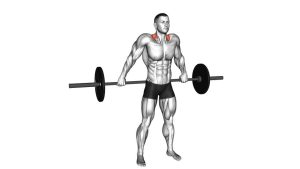
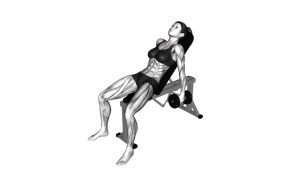
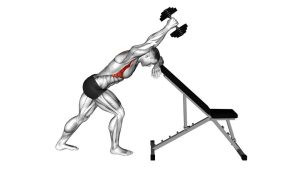
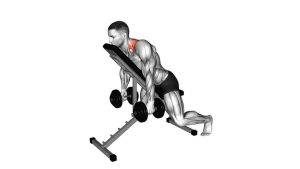
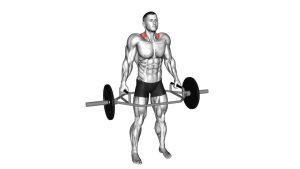
Dumbbell Incline Shrug: Proper Form, Muscles Worked, Sets, Tips & FAQ
Learn how to do the Dumbbell Incline Shrug with proper chest-supported form. Discover muscles worked, setup, step-by-step execution, sets and reps by goal, mistakes to avoid, FAQs, and recommended equipment.
Dumbbell Incline Shrug
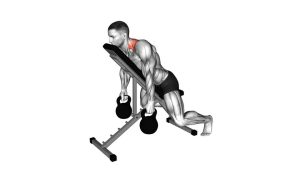
This variation is especially useful for lifters who want more upper-trap isolation and less cheating than standard standing shrugs. Because the bench supports your torso, the movement becomes more controlled and easier to repeat with consistent form. You should feel the work concentrated in the upper trapezius, with the dumbbells moving only because your shoulders elevate and depress.
Quick Overview
| Body Part | Upper Back |
|---|---|
| Primary Muscle | Upper trapezius |
| Secondary Muscle | Levator scapulae, middle trapezius, rhomboids, forearms (grip stabilization) |
| Equipment | Dumbbells, adjustable incline bench |
| Difficulty | Beginner to Intermediate |
Sets & Reps (By Goal)
- Muscle growth: 3–4 sets × 10–15 reps with a 1–2 second squeeze at the top
- Strength-focused trap work: 4–5 sets × 6–10 reps with controlled tempo and full lowering
- Technique and mind-muscle connection: 2–3 sets × 12–15 reps using lighter dumbbells
- Finisher after back day: 2–3 sets × 12–20 reps with strict form and no momentum
Progression rule: Increase weight only after you can reach the top cleanly, pause without swinging, and lower the dumbbells with control on every rep.
Setup / Starting Position
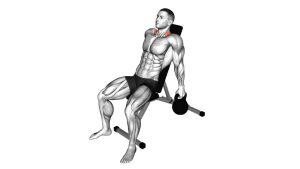
- Set the bench: Adjust an incline bench to roughly 60–75 degrees so your torso can stay supported in a tall seated position.
- Sit firmly: Place your feet flat on the floor and keep your body stable against the bench pad.
- Hold the dumbbells at your sides: Let your arms hang straight down with a neutral grip, palms facing inward.
- Start from the bottom: Allow the shoulders to settle naturally down without slouching or collapsing your chest.
- Brace lightly: Keep the neck neutral, chest lifted, and elbows fully extended before starting the first repetition.
Tip: Think “tall posture against the bench” before every set. A stable torso makes the shrug cleaner and more effective.
Execution (Step-by-Step)
- Begin from a dead-hang position: Let the dumbbells hang naturally while keeping the arms straight and shoulders set down.
- Elevate the shoulders: Shrug both shoulders straight upward toward the ears without bending the elbows.
- Keep the movement vertical: Do not row the dumbbells backward or swing the body off the bench.
- Pause at the top: Squeeze the upper traps for 1–2 seconds at peak contraction.
- Lower under control: Bring the shoulders back down slowly until you return to a full stretched bottom position.
- Repeat smoothly: Maintain the same range, tempo, and shoulder path on every rep.
Pro Tips & Common Mistakes
- Shrug straight up: Think “shoulders to ears,” not “shoulders backward.” Rolling the shoulders adds motion but not better trap tension.
- Keep the elbows locked: Turning the movement into a row shifts tension away from the upper traps.
- Use the bench for stability: Stay supported instead of bouncing or using torso momentum.
- Pause at the top: A brief squeeze improves control and makes light-to-moderate loads more effective.
- Do not rush the lowering phase: The eccentric matters for trap development and overall movement quality.
- Keep the neck neutral: Avoid jutting the chin forward or forcing the head into the bench pad.
- Choose load carefully: Heavy shrugs often look impressive, but strict reps usually build better traps over time.
FAQ
What muscles does the dumbbell incline shrug work?
The primary target is the upper trapezius. Secondary support comes from the levator scapulae, mid-back stabilizers, and your grip muscles.
Why use an incline bench for shrugs instead of standing?
The incline bench helps reduce body swing and momentum, making it easier to perform a strict shrug and keep more tension on the upper traps.
Should I roll my shoulders during the shrug?
No. The most effective shrug is usually a clean upward-and-downward path. Rolling the shoulders tends to waste motion and can make the rep less controlled.
How heavy should I go on this exercise?
Use the heaviest load you can control without elbow bend, torso rocking, or losing the top squeeze. Strict reps matter more than chasing maximum dumbbell weight.
Can beginners use this exercise?
Yes. It is often easier for beginners than standing shrugs because the bench provides support and helps them learn a cleaner shoulder-elevation pattern.
Recommended Equipment
- Adjustable Dumbbells — ideal for progressive overload without needing multiple dumbbell pairs
- Adjustable Incline Weight Bench — essential for the chest-supported setup used in this shrug variation
- Weight Lifting Straps — useful when grip fatigue limits trap work on heavier sets
- Weightlifting Gloves — optional comfort and grip support for high-rep dumbbell work
- Dumbbell Storage Rack — helpful for organizing multiple dumbbell pairs in a home gym setup
Tip: For most lifters, the best first upgrades for this exercise are a sturdy adjustable bench and a dumbbell setup that allows smooth, repeatable progression.