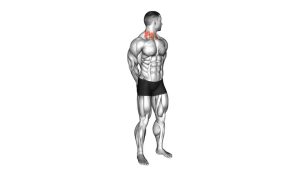
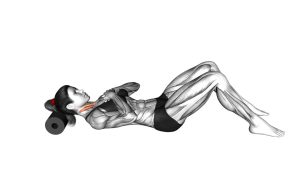
Neck Extensor & Rotational Stretch: Form, Benefits, Sets & Reps, and Tips
Learn how to perform the Neck Extensor & Rotational Stretch to relieve stiffness, improve mobility, and reduce tension. Step-by-step form, sets & reps by goal, mistakes, FAQ, and recommended gear.
Neck Extensor & Rotational Stretch
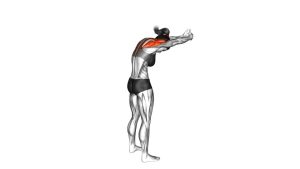
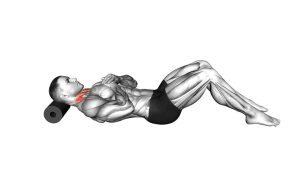
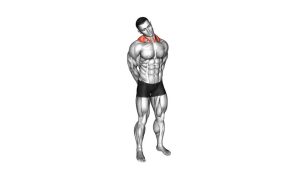
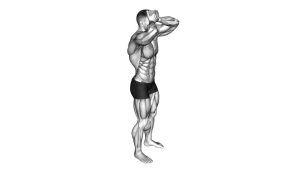
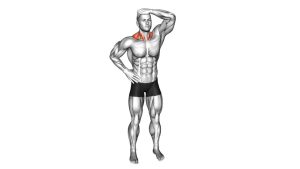
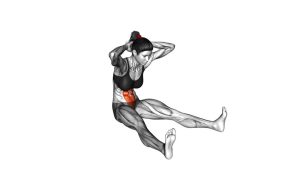
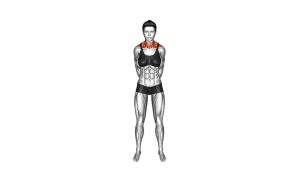
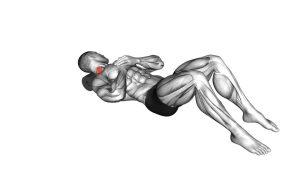
This stretch is best performed as a calm, controlled position with light assistance (optional). You should feel a mild-to-moderate stretch along the back/side of the neck—not sharp pain, pinching, or nerve-like symptoms. If you feel discomfort at end range, reduce the rotation angle and focus on smooth breathing.
Quick Overview
| Body Part | Neck |
|---|---|
| Primary Muscles | Cervical extensors (posterior neck), suboccipitals |
| Secondary Muscles | Upper trapezius, levator scapulae, upper thoracic extensors |
| Equipment | None (optional: towel, heat pad, massage balls, cervical pillow) |
| Difficulty | Beginner (scale by reducing range or using shorter holds) |
Sets & Reps (By Goal)
- Quick desk reset: 1–2 rounds × 20–30 sec hold per side
- Warm-up mobility: 1–2 rounds × 4–6 slow reps per side (short holds only)
- Cooldown / recovery: 2–3 rounds × 30–60 sec hold per side
- Sensitive/stiff neck (very gentle): 2–3 rounds × 10–20 sec hold (small rotation)
Intensity rule: Aim for ~2–4/10 stretch sensation. The goal is relief and smooth motion—not max depth.
Setup / Starting Position
- Sit upright or stand tall with ribs stacked over hips (avoid slouching).
- Relax shoulders down and back (no shrugging).
- Start with your head centered over your shoulders (no forward “chin jut”).
- Keep your torso still—movement happens at the neck, not by twisting the body.
- Optional: Rest one hand on the lap and use the other hand later for gentle assistance.
Tip: If you’re seated, place both feet flat and keep your gaze soft (don’t stare down aggressively).
Execution (Step-by-Step)
- Get tall: Inhale gently and “grow” through the crown of your head.
- Chin tuck: Exhale and nod your chin slightly toward your chest (a small double-chin motion).
- Rotate slightly: From the tucked position, rotate your head a few degrees toward one side.
- Optional light assist: Place your hand on the back/top of the head and apply minimal pressure—no yanking.
- Hold & breathe: Keep shoulders heavy and relaxed; take 3–6 slow breaths.
- Return slowly: Release the hand, rotate back to center, then return to neutral. Repeat on the other side.
Pro Tips & Common Mistakes
- Small rotation works: tiny angles often hit the target better than forcing end range.
- Keep shoulders down: shrugging increases upper trap tension.
- Use gentle assistance only: your hand is a guide, not a lever.
- Keep the torso quiet: don’t twist your chest to “fake” range.
- Breathe long exhales: they help the neck relax.
- Stop with symptoms: sharp pain, dizziness, tingling/numbness = stop.
FAQ
Where should I feel this stretch?
Most people feel it along the back/side of the neck, sometimes into the upper traps or near the base of the skull (suboccipitals). If you feel sharp pain, pinching, or nerve-like symptoms (tingling/numbness), stop and reduce range.
Should I use my hand to pull harder?
No. Use only light pressure—just enough to guide the position. Pulling hard can irritate joints or nerves. The stretch should feel controlled and calm.
Should I hold it or do reps?
Both work. Holds are best for tension relief and cooldowns; slow reps can work well for warm-ups. Choose based on your goal (see the Sets & Reps section).
When should I avoid this exercise?
Avoid it if you have an acute neck injury, severe pain, or symptoms like tingling/numbness down the arm. If you have a known cervical spine condition, keep the range small and consider professional guidance.
Recommended Equipment (Optional)
- Microwavable Neck Wrap (Heat) — heat can help the stretch feel smoother before mobility work
- Neck & Shoulder Heating Pad — convenient option for warming the area before gentle stretching
- Peanut Massage Ball (Double Lacrosse Ball) — useful for upper trap/upper back tight spots (avoid pressing directly on the spine/neck joints)
- Cervical Contour Pillow (Sleep Support) — supports a neutral neck position during sleep
- Massage Lacrosse Ball (Trigger Point Release) — helpful for trap/levator tension (avoid the front of the neck)
Tip: If any tool increases symptoms, stop using it and reassess. Gentle + consistent wins for the neck.