Scapular Pull-Up: Proper Form, Muscles Worked, Sets, Tips & FAQ
Learn how to do the Scapular Pull-Up with proper form to build lat activation, scapular control, and shoulder stability. Includes setup, execution, sets and reps, mistakes, FAQs, and recommended equipment.
Scapular Pull-Up
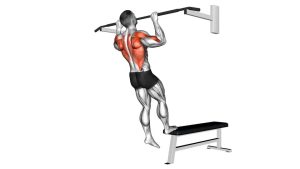
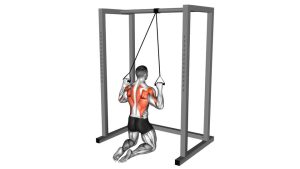
This exercise is excellent for building the first part of a strong pull-up. It teaches you how to engage the lats and control the scapulae while keeping the arms straight. When done correctly, the movement is small but very intentional. You should feel the upper sides of the back and the area under the armpits working, not a lot of elbow flexion or swinging.
Quick Overview
| Body Part | Upper Back |
|---|---|
| Primary Muscle | Latissimus dorsi |
| Secondary Muscle | Lower trapezius, rhomboids, teres major, rotator cuff stabilizers, forearms |
| Equipment | Pull-up bar or fixed overhead bar |
| Difficulty | Beginner to Intermediate (great for learning pull-up mechanics) |
Sets & Reps (By Goal)
- Activation / warm-up: 2–3 sets × 6–10 reps with a 1–2 second squeeze at the top
- Pull-up progression: 3–4 sets × 6–12 reps with slow, controlled tempo
- Scapular strength & control: 3–4 sets × 8–15 reps with 2–3 second holds
- Technique practice: 2–3 sets × 5–8 reps focusing on perfect shoulder motion
Progression rule: First improve control, pause quality, and consistency. Then increase reps, hang time, or combine the drill with assisted pull-ups and full pull-up progressions.
Setup / Starting Position
- Grip the bar: Use an overhand grip slightly wider than shoulder width unless a narrower grip feels better on your shoulders.
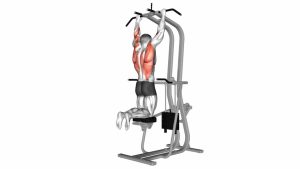
- Hang tall: Let the body hang in a controlled dead hang with the arms fully straight.
- Brace lightly: Tighten the core and keep the ribs down so the torso stays stable.
- Relax the neck: Start with the shoulders elevated naturally, but avoid excessive shrugging tension.
- Stay still: Legs remain quiet and body swing should be minimal before starting the rep.
Tip: If a full dead hang is too difficult, place a box under your feet or use a resistance band to reduce the hanging load.
Execution (Step-by-Step)
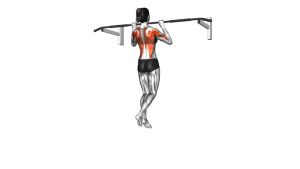
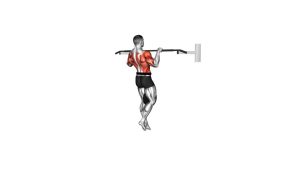
- Start in the dead hang: Arms straight, shoulders elevated, body steady.
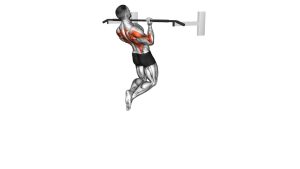
- Pull the shoulders down: Depress the scapulae by drawing the shoulders away from the ears.
- Lift slightly: Your body should rise only a small amount as the shoulder blades engage.
- Keep elbows locked: Do not bend the arms or turn it into a partial pull-up.
- Pause briefly: Hold the top for 1–2 seconds and feel the lats and lower traps working.
- Lower with control: Return slowly to the dead hang without dropping or losing tension suddenly.
- Repeat smoothly: Each rep should look controlled, quiet, and deliberate.
Pro Tips & Common Mistakes
- Think “shoulders down”: This cue usually works better than thinking about pulling with the arms.
- Use a controlled tempo: A slow up-and-down rhythm improves scapular awareness.
- Keep the elbows straight: Slight elbow bend changes the exercise into a different pattern.
- Do not swing: Momentum reduces the training effect and hides poor control.
- Do not overarch: Keep the ribs and pelvis reasonably stacked instead of flaring the chest too much.
- Avoid shrugging at the top: The goal is depression and stability, not neck tension.
- Use it before pull-ups: It is one of the best primers before strict pull-up work.
FAQ
What muscles does the scapular pull-up work most?
The main target is the latissimus dorsi, with strong support from the lower traps, rhomboids, and other scapular stabilizers.
Is the scapular pull-up the same as a regular pull-up?
No. In a scapular pull-up the arms stay straight and the motion comes from the shoulder blades. In a regular pull-up, the elbows bend and the body travels much higher.
Why is the movement so small?
That is normal. The drill isolates scapular motion, so even good reps only lift the body a small amount. Quality matters more than range.
Can beginners use scapular pull-ups to learn pull-ups?
Yes. They are one of the best beginner-friendly pull-up progressions because they teach shoulder positioning, lat engagement, and dead hang control.
Should I feel it in my biceps?
Not much. Since the elbows stay straight, biceps involvement is limited. You should mainly feel the upper sides of the back, lats, and shoulder stabilizers.
Recommended Equipment
- IRON AGE Pull Up Bar for Doorway — practical for home scapular pull-up training when you need a stable doorway setup
- LAKENAM Resistance Bands Set — useful for assisted hangs, pull-up progressions, and warm-up work
- JerkFit Gymnastics / Pull-Up Grips — helps reduce palm friction during high-volume bar work
- Cesilili Wooden Gymnastic Rings — a versatile option for scapular control drills, rows, and ring-based pulling progressions
- ONCRUX Liquid Chalk — improves grip security if sweaty hands make hanging work less stable
Tip: For most people, the best starting combination is a pull-up bar + resistance bands. Add grips or chalk only if hand discomfort or slipping becomes a limiting factor.