Seated Lower Back Stretch: Proper Form, Benefits, Sets, Tips & FAQ
Learn the Seated Lower Back Stretch with proper form, setup, breathing cues, common mistakes, sets by goal, FAQs, and recommended equipment to improve lower back and lat flexibility.
Seated Lower Back Stretch
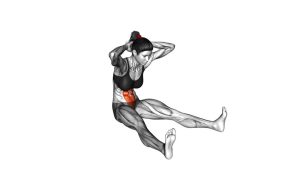
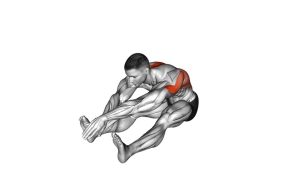
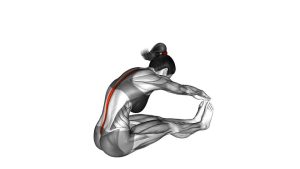
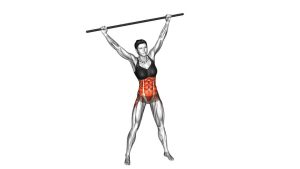
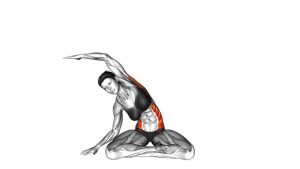
This stretch works best when you stay tall through the spine and create length before leaning. You should feel a comfortable stretch along the side of the torso, around the lat area, and into the lower back. It should not feel sharp, pinching, or unstable. Move slowly, keep your rib cage controlled, and avoid turning the stretch into a twist.
Quick Overview
| Body Part | Lower Back |
|---|---|
| Primary Muscle | Quadratus lumborum and lower back musculature |
| Secondary Muscle | Latissimus dorsi, obliques, erector spinae, teres major |
| Equipment | Bench or sturdy chair |
| Difficulty | Beginner (excellent for warm-ups, cooldowns, and daily mobility work) |
Sets & Reps (By Goal)
- Warm-up mobility: 1–2 sets × 6–10 reps per side with a 2–3 second pause
- Flexibility work: 2–4 sets × 20–30 second holds per side
- Recovery / cooldown: 1–3 sets × 20–40 second holds per side
- Desk-break reset: 1–2 sets × 5–8 slow reps per side
Progression rule: Increase hold time, breathing quality, or control before trying to reach farther. Better alignment beats bigger range.
Setup / Starting Position
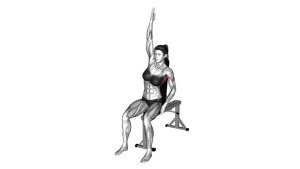
- Sit tall: Sit on a flat bench or sturdy chair with your feet flat on the floor and knees bent about 90 degrees.
- Brace lightly: Keep your core gently engaged so the lower back stays supported without becoming rigid.
- Place the support hand: Put one hand beside your hip on the bench or chair for balance.
- Raise the working arm: Extend the opposite arm overhead with the elbow straight and shoulder relaxed.
- Find neutral: Keep the chest open, head neutral, and avoid slouching before you start the stretch.
Tip: Think “sit tall and reach up” before leaning. That creates more usable stretch through the lats and side torso.
Execution (Step-by-Step)
- Reach upward first: Lift the working arm tall toward the ceiling to lengthen the side of the torso.
- Lean gently to the side: Bend away from the raised arm in a slow, controlled side bend.
- Keep the chest open: Stay long through the spine and avoid curling forward or rotating the torso.
- Pause and breathe: Hold the stretch briefly while taking calm breaths into the ribs and side body.
- Return with control: Come back to the upright position slowly, then repeat on the same side or switch sides.
Pro Tips & Common Mistakes
- Reach up before you lean: Vertical length creates a cleaner stretch than collapsing sideways immediately.
- Do not twist: This is a side bend, not a rotational stretch.
- Keep the shoulder relaxed: Avoid shrugging the overhead arm into the ear.
- Stay seated evenly: Don’t let the hips lift or shift excessively off the bench.
- Breathe into the stretch: Slow nasal breathing often helps the ribs and lats relax more effectively.
- Use smooth reps: Avoid bouncing, jerking, or pushing into discomfort.
- Do both sides: Even if one side feels tighter, train both for balanced mobility.
FAQ
What muscles does the Seated Lower Back Stretch target?
It primarily stretches the lower back and quadratus lumborum, while also lengthening the latissimus dorsi, obliques, and surrounding side-torso tissues.
Should I feel this more in the lat or the lower back?
You may feel both. Most people notice the stretch running from the side of the waist up through the rib cage and lat. The exact emphasis depends on your arm reach, torso position, and mobility restrictions.
Is this a good warm-up stretch?
Yes. It works well as part of a general warm-up, mobility circuit, or cooldown—especially if you sit a lot or do pulling, overhead, or back-training sessions.
How long should I hold the stretch?
For mobility prep, use shorter pauses of 2–5 seconds. For flexibility or recovery, holds of 20–40 seconds per side usually work well.
What should I avoid during this exercise?
Avoid twisting, forcing range, shrugging the shoulder, or collapsing forward. Keep the movement controlled, upright, and comfortable.
Recommended Equipment (Optional)
- Stretching Strap — useful for general flexibility work and assisted mobility routines
- Foam Roller — helpful for soft-tissue work before or after lower back and lat mobility sessions
- Lumbar Support Cushion — can improve seated posture and comfort during long work periods
- Yoga Strap / Mobility Strap — a simple tool for improving flexibility and stretch control
- Resistance Bands Set — great for pairing mobility drills with posture and upper-back activation work
Tip: Keep supportive tools optional. The stretch itself should remain controlled, comfortable, and easy to repeat consistently.