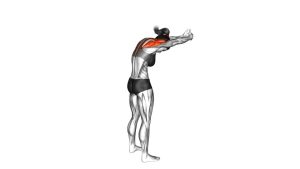
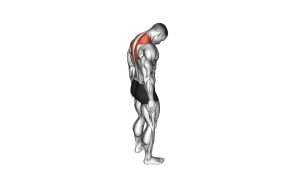
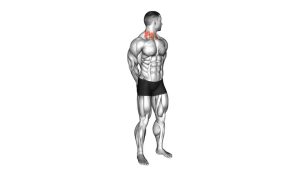
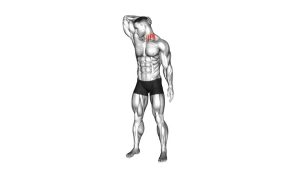
Extension and Inclination Neck Stretch: Form, Benefits, Sets & Reps, and Equipment
Learn how to do the Extension and Inclination Neck Stretch to improve neck mobility, ease stiffness, and support posture. Includes step-by-step form, sets & reps by goal, FAQs, and recommended equipment.
Extension and Inclination Neck Stretch
This drill works best when performed with calm, controlled movement and a mild stretch sensation. You should feel gentle lengthening (front/side of the neck)—not sharp pain, pinching, or nerve-like symptoms. If you feel discomfort at end range, reduce the extension depth and make the side tilt smaller.
Quick Overview
| Body Part | Neck |
|---|---|
| Primary Muscles | Sternocleidomastoid (SCM), scalenes |
| Secondary Muscles | Upper trapezius, levator scapulae, cervical extensors (stabilization/control) |
| Equipment | None (optional: towel, heat pad, massage ball, cervical pillow) |
| Difficulty | Beginner (scale by reducing range and using shorter holds) |
Sets & Reps (By Goal)
- Quick desk reset: 1–2 rounds × 15–30 sec hold per side
- Warm-up mobility: 1–2 rounds × 4–6 slow reps per side (short holds only)
- Cooldown / recovery: 2–3 rounds × 20–45 sec hold per side
- Sensitive/stiff neck (very gentle): 2–3 rounds × 10–20 sec hold (tiny extension + tiny tilt)
Intensity rule: Aim for ~2–4/10 stretch sensation. The goal is relief and smooth motion—not max depth.
Setup / Starting Position
- Sit upright or stand tall with ribs stacked over hips (avoid slouching).
- Relax shoulders down and back (no shrugging).
- Start with your head centered over your shoulders (avoid forward “chin jut”).
- Keep your torso still—movement happens at the neck, not by leaning the body.
- Optional: Place one hand lightly on the upper chest/collarbone area to prevent the torso from rotating.
Tip: Keep your jaw relaxed (no clenching) and your breathing slow.
Execution (Step-by-Step)
- Get tall: Inhale gently and “grow” through the crown of your head.
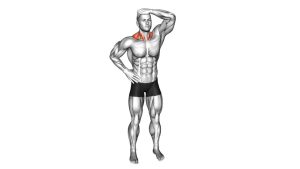
- Extend slightly: Exhale and tip your chin up just a little (think “look up” softly, not fully back).
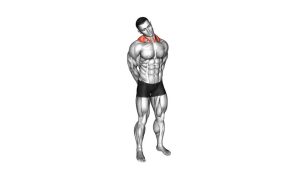
- Add inclination: From that position, tilt your head a few degrees to one side (ear moving slightly toward the shoulder).
- Hold & breathe: Keep shoulders heavy and relaxed; take 3–6 slow breaths.
- Return slowly: Come back to center, then to neutral. Repeat on the other side.
- Keep it smooth: No bouncing or forcing—reduce range if you feel pinching.
Pro Tips & Common Mistakes
- Less is more: a small extension + small tilt often targets the tissues better than forcing end range.
- Keep shoulders down: shrugging increases upper trap tension and reduces the stretch.
- No torso lean: don’t side-bend your whole body—keep ribs stacked and still.
- Slow transitions: return to neutral gradually to avoid irritation.
- Long exhales: help the neck relax and reduce guarding.
- Stop with symptoms: sharp pain, dizziness, tingling/numbness = stop.
FAQ
Where should I feel this stretch?
Most people feel a gentle stretch in the front/side of the neck, often near the SCM and scalenes, and sometimes mild lengthening near the upper trap/levator area. You should not feel sharp pain, pinching, dizziness, or nerve-like symptoms (tingling/numbness).
How far should I tilt or look up?
Keep it small. A few degrees is usually enough. If you feel pinching or tension spikes, reduce the extension first, then reduce the side tilt.
Should I do holds or reps?
Both can work. Holds are best for tension relief and cooldowns; slow reps can work well for warm-ups. Choose based on your goal (see the Sets & Reps section).
When should I avoid this exercise?
Avoid if you have an acute neck injury, severe pain, or symptoms like tingling/numbness down the arm. If you have a known cervical spine condition, keep the range very small and consider professional guidance.
Recommended Equipment (Optional)
- Microwavable Neck Wrap (Heat) — heat can help the stretch feel smoother before mobility work
- Neck & Shoulder Heating Pad — convenient option for warming the area before gentle stretching
- Peanut Massage Ball (Double Lacrosse Ball) — useful for upper back tight spots (avoid pressing directly on the front of the neck)
- Cervical Contour Pillow (Sleep Support) — supports a more neutral neck position during sleep
- Posture Corrector (Upper Back/Shoulders) — optional reminder tool to reduce forward-head posture during long desk sessions
Tip: If any tool increases symptoms, stop using it and reassess. Gentle + consistent wins for the neck.