Standing Lateral Stretch: Proper Form, Benefits, Sets, Tips & FAQ
Learn how to perform the Standing Lateral Stretch with proper form to improve side-body mobility, posture, and flexibility. Includes setup, execution steps, sets by goal, tips, mistakes, FAQs, and recommended equipment.
Standing Lateral Stretch
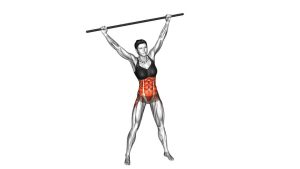
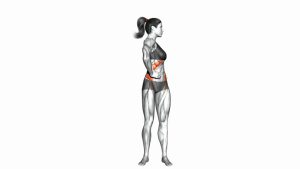
This stretch works best when performed slowly and with control. You should feel a comfortable lengthening sensation along the side of the torso rather than strain in the lower back, shoulder, or neck. Focus on reaching up before leaning sideways, and keep the hips stable so the stretch stays in the side body instead of turning into a forward lean.
Quick Overview
| Body Part | Core |
|---|---|
| Primary Muscle | Obliques |
| Secondary Muscle | Latissimus dorsi, serratus anterior, intercostals, quadratus lumborum |
| Equipment | None |
| Difficulty | Beginner |
Sets & Reps (By Goal)
- Warm-up mobility: 1–2 sets × 6–10 reps per side with a 1–2 second pause at end range
- Flexibility work: 2–4 sets × 20–30 second holds per side
- Post-workout recovery: 2–3 sets × 15–25 second holds per side
- Daily movement break: 1–2 sets × 5–8 smooth reps per side
Progression rule: Increase hold time or improve control and range gradually. Do not force depth by collapsing through the ribs or dumping into the lower back.
Setup / Starting Position
- Stand tall: Place your feet about hip-width to shoulder-width apart and keep your weight evenly distributed.
- Brace lightly: Engage the core gently and keep the ribs stacked over the hips.
- Lift one arm overhead: Reach the working-side arm up or place the hand lightly behind the head depending on the variation you prefer.
- Relax the shoulders: Keep the neck long and avoid shrugging the elevated shoulder.
- Stay square: Hips and chest should face forward before you begin bending.
Tip: Reaching fully overhead usually increases the stretch through the lats and side body, while the hand-behind-head version can feel a little easier to control.
Execution (Step-by-Step)
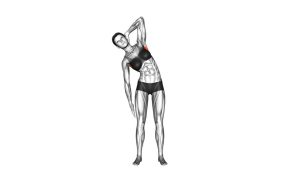
- Reach upward first: Lengthen through the lifted arm and create space through the side of the torso.
- Bend sideways: Lean away from the raised arm in a smooth arc without rotating the chest.
- Keep the torso long: Think about reaching up and over instead of crunching sideways.
- Pause briefly: Hold the end position for 1–2 seconds during dynamic reps or 20–30 seconds during static stretching.
- Return with control: Come back to the starting position slowly and repeat on the other side.
Pro Tips & Common Mistakes
- Reach before you bend: Upward reach creates more length and a better-quality stretch.
- Do not twist: Keep the chest facing forward instead of rotating toward the floor or ceiling.
- Avoid side crunching: Think “lengthen” rather than “collapse.”
- Keep hips stable: Don’t let them shift excessively to one side to fake more range.
- Relax the top shoulder: Shrugging reduces stretch quality and adds neck tension.
- Use smooth breathing: Exhale into the stretch and avoid holding your breath.
- Do not push into pain: Mild stretch tension is fine; sharp pain is not.
FAQ
What muscles does the Standing Lateral Stretch target?
It mainly stretches the obliques and latissimus dorsi, while also lengthening the serratus anterior, intercostals, and other muscles along the side of the torso.
Should I hold the stretch or do reps?
Both can work. Use controlled reps for a warm-up and static holds when your goal is flexibility or cooldown work.
Where should I feel this stretch?
You should feel it along the side of the body from the hip up toward the ribs, lats, and sometimes into the triceps or shoulder depending on your arm position.
Can this help with overhead mobility?
Yes. Improving side-body flexibility and lat mobility can support smoother overhead arm motion, especially when paired with thoracic mobility and shoulder control work.
What is the most common mistake?
The most common mistake is leaning forward or twisting instead of performing a true side bend. Another frequent issue is collapsing into the lower back instead of reaching long through the torso.
Recommended Equipment (Optional)
- Yoga Mat — useful for warm-ups, cooldowns, floor mobility, and a more comfortable stretching area
- Yoga Block & Strap Set — helpful for improving stretching positions, mobility drills, and support during flexibility work
- Stretching Stick / Mobility Stick — useful for shoulder mobility, overhead positioning, and side-body reach variations
- Foam Roller — a good add-on for recovery and soft-tissue work around the lats, upper back, and torso
- Resistance Bands Set — useful for pairing this stretch with shoulder activation and posture-focused mobility work
Tip: Keep equipment supportive, not complicated. For this exercise, better positioning and consistent practice matter more than heavy loading or aggressive stretching tools.