EZ-Bar Reverse-Grip Bent-Over Row: Proper Form, Muscles Worked, Sets & Tips
Learn how to do the EZ-Bar Reverse-Grip Bent-Over Row with proper form. Discover muscles worked, setup, execution steps, sets and reps by goal, mistakes to avoid, FAQs, and recommended equipment.
EZ-Bar Reverse-Grip Bent-Over Row
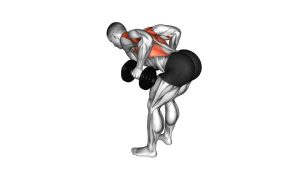
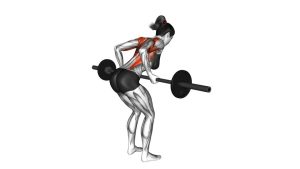
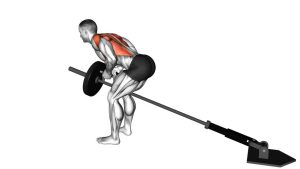
This row variation works best when you keep the torso fixed, hinge cleanly at the hips, and pull the bar toward the lower abdomen with control. Instead of yanking the weight up, think about driving the elbows back, squeezing the shoulder blades together, and lowering the bar under tension. A stable spine and disciplined tempo matter more than loading the bar aggressively.
Quick Overview
| Body Part | Back |
|---|---|
| Primary Muscle | Latissimus dorsi |
| Secondary Muscle | Rhomboids, middle trapezius, rear deltoids, biceps, brachialis, spinal erectors |
| Equipment | EZ curl bar, weight plates, collars |
| Difficulty | Intermediate |
Sets & Reps (By Goal)
- Muscle growth: 3–4 sets × 8–12 reps with controlled form and a full stretch at the bottom
- Strength focus: 4–5 sets × 5–8 reps with heavier loads and strict torso positioning
- Technique practice: 2–3 sets × 10–15 reps using moderate weight and smooth tempo
- Back accessory work: 3 sets × 8–10 reps after primary pulls such as deadlifts or pull-ups
Progression rule: Add load only when you can keep the torso angle stable, avoid jerking, and complete every rep with a consistent bar path toward the lower abdomen.
Setup / Starting Position
- Load the EZ-bar: Add an appropriate amount of weight and secure the plates with collars.
- Take your grip: Hold the bar with a shoulder-width or slightly narrower reverse grip so the palms face up.
- Set your stance: Stand with feet about hip-width apart and soften the knees slightly.
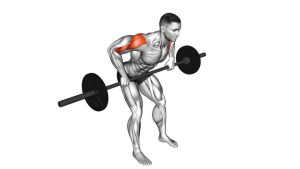
- Hinge at the hips: Push the hips back until your torso is roughly 45–60 degrees forward while keeping a flat back.
- Brace your trunk: Keep the chest proud, neck neutral, and core tight before starting the first pull.
- Let the bar hang naturally: Arms should extend fully under the shoulders without rounding through the upper back.
Tip: A slightly higher torso angle may feel better for some lifters, but avoid turning the movement into an upright row.
Execution (Step-by-Step)
- Initiate with the elbows: Start the rep by pulling the elbows backward rather than curling the bar with the arms.
- Row toward the waist: Guide the EZ-bar toward the lower abdomen or upper waistline to emphasize the lats.
- Keep the torso steady: Maintain your hinge position and avoid bouncing the chest upward to move the weight.
- Squeeze at the top: Briefly contract the lats and mid-back as the elbows travel behind the torso.
- Lower under control: Extend the arms slowly until the bar returns to the start without losing spinal alignment.
- Repeat smoothly: Use the same range of motion and tempo on every repetition.
Pro Tips & Common Mistakes
- Pull with the back first: Think elbows back and shoulder blades in, not wrists curling the weight upward.
- Aim lower on the torso: Pulling toward the waist often creates better lat emphasis than pulling high toward the chest.
- Keep the underhand grip comfortable: The EZ-bar’s angles can reduce wrist stress, but do not force an awkward grip width.
- Do not round the back: A neutral spine is essential for safe loading and efficient force transfer.
- Avoid momentum: Excessive hip drive turns the set into a cheat row and reduces muscular tension where you want it.
- Control the eccentric: Lowering the bar too quickly wastes one of the best hypertrophy parts of the rep.
- Use straps if grip limits the back: When the forearms fail first, straps can help keep the focus on the lats and upper back.
FAQ
What muscles does the EZ-Bar Reverse-Grip Bent-Over Row work most?
It primarily targets the lats, while also training the rhomboids, middle traps, rear delts, and biceps. Your lower back and core also work isometrically to hold the bent-over position.
Why use an EZ-bar instead of a straight bar?
Many lifters find the EZ-bar more comfortable on the wrists and forearms because of its angled grip. It can be a practical option if a straight underhand barbell row feels stressful at the wrist or elbow.
Should I pull the bar to my chest or my waist?
For this variation, pulling toward the lower abdomen or waist usually creates a better lat-focused line of pull. Pulling too high often shifts more work toward the upper back and can disrupt the bar path.
Is this exercise better for strength or hypertrophy?
It works well for both. Moderate reps with strict control are excellent for hypertrophy, while lower reps with clean technique can help build pulling strength and back density.
Who should be cautious with this exercise?
Lifters with lower-back irritation, poor hip hinge mechanics, or discomfort during bent-over rowing should use caution. In those cases, a chest-supported row may be a better starting point.
Recommended Equipment
- EZ Curl Bar — the main tool for performing this variation with a more wrist-friendly grip angle
- Barbell Collars — help secure the plates and keep the load stable during rows
- Lifting Straps — useful when grip fatigue limits back training before the target muscles are fully challenged
- Weight Plates / Bumper Plates — allow gradual loading and progression as your rowing strength improves
- Adjustable Weight Bench — helpful for accessory chest-supported rows and other back-building variations in the same program
Choose equipment that matches your training level, available space, and plate compatibility. Prioritize grip comfort, secure loading, and controlled progression over simply buying the heaviest option.