Seated Spine Stretch (Spine Stretch Forward): Form, Benefits, Sets & FAQ
Learn how to perform the Seated Spine Stretch with proper form to improve spinal mobility, posterior-chain flexibility, and core control. Includes setup, execution, sets by goal, tips, FAQ, and recommended equipment.
Seated Spine Stretch (Spine Stretch Forward)
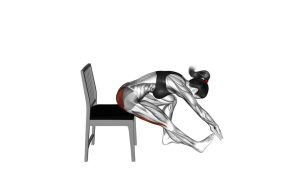
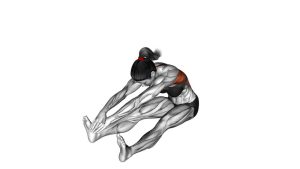
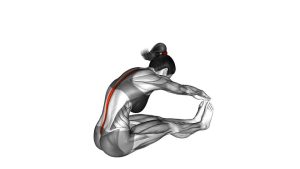
This exercise works best when the movement is smooth, controlled, and deliberate. You should feel a gradual stretch through the upper and mid-back, with a secondary stretch through the hamstrings depending on your mobility. The goal is not to force the hands toward the feet, but to improve how well you can articulate and lengthen the spine.
Quick Overview
| Body Part | Back |
|---|---|
| Primary Muscle | Erector spinae and spinal support muscles (mobility emphasis) |
| Secondary Muscle | Deep abdominals, obliques, hamstrings, serratus anterior |
| Equipment | None (optional: yoga mat, strap, yoga blocks, cushion) |
| Difficulty | Beginner |
Sets & Reps (By Goal)
- Mobility warm-up: 2–3 sets × 6–10 slow reps
- Flexibility work: 2–4 sets × 8–12 reps with a 2–4 second end-range pause
- Pilates-style control: 2–3 sets × 5–8 quality reps with slow tempo
- Cooldown / recovery: 1–2 sets × 6–8 relaxed reps
Progression rule: Increase control, breathing quality, and spinal articulation before increasing range. A smaller clean rep is more valuable than a forced reach.
Setup / Starting Position
- Sit tall on the floor: Extend your legs forward with feet about hip-width to shoulder-width apart.
- Flex the ankles gently: Toes point upward while the knees stay straight or softly unlocked.
- Lift through the spine: Sit upright with your chest open and shoulders relaxed.
- Raise the arms forward: Bring the arms to about shoulder height, parallel to the floor.
- Brace lightly: Engage the core just enough to support the spine before you begin rounding.
Tip: If you struggle to sit upright, place a folded towel or cushion under the hips to make the starting position easier.
Execution (Step-by-Step)
- Start tall: Inhale and lengthen the crown of the head upward to create space through the spine.
- Tuck the chin gently: Begin the motion by softly nodding the chin and reaching the arms forward.
- Round the upper spine first: Let the upper back curl gradually, followed by the mid-back, then the lower back.
- Reach forward with control: Slide the torso forward into a smooth C-curve without yanking on the legs or bouncing.
- Pause briefly: Hold the stretched position for 1–3 seconds while breathing steadily.
- Return slowly: Reverse the motion one segment at a time until you are sitting tall again.
Pro Tips & Common Mistakes
- Grow tall before each rep: Starting with spinal length helps you move through the stretch more cleanly.
- Move one section at a time: Lead with the head and upper spine instead of folding from the hips only.
- Keep the shoulders relaxed: Avoid shrugging as you reach the arms forward.
- Do not bounce: Use slow controlled reps rather than jerking into end range.
- Don’t force straight knees: A soft bend is fine if hamstring tension pulls your pelvis backward too aggressively.
- Use props when needed: Sitting on a cushion or using a strap can help maintain better position and control.
FAQ
Where should I feel the Seated Spine Stretch?
Most people feel it through the upper and mid-back first, with a secondary stretch in the hamstrings. You may also notice the abs working to control the rounded position.
Is this a back stretch or a hamstring stretch?
It is primarily a spinal mobility and back-body control exercise, but the hamstrings often assist by contributing to the stretch sensation. How much you feel in the legs depends on your flexibility and pelvic position.
Should I try to touch my toes?
No. Reaching farther is not the main goal. The focus is on smooth spinal articulation, steady breathing, and controlled flexion through the back.
Can beginners do this exercise?
Yes. It is beginner-friendly when performed with a small range of motion and proper control. Using a folded towel, cushion, or strap can make it more comfortable.
When should I use the Seated Spine Stretch?
It works well in warm-ups, Pilates sessions, mobility routines, and cooldowns—especially for people who sit a lot or want better spinal movement quality.
Recommended Equipment (Optional)
- Yoga Mat — adds comfort and grip for floor-based mobility work
- Stretching Strap — useful for assisted flexibility work when hamstring tightness limits your setup
- Yoga Blocks — helpful for scaling range of motion and improving seated posture
- Foam Roller — great for pairing with upper-back recovery and mobility sessions
- Pilates Ring — a useful accessory if you combine this stretch with Pilates-style core and posture training
Tip: Choose tools that improve comfort and control, not ones that encourage forcing a deeper stretch than you can own.