Sitting Bent-Over Back Stretch: Proper Form, Benefits, Tips & FAQ
Learn how to do the Sitting Bent-Over Back Stretch with proper form. Improve upper and mid-back flexibility, posture, and mobility with setup tips, execution steps, common mistakes, FAQs, and recommended equipment.
Sitting Bent-Over Back Stretch
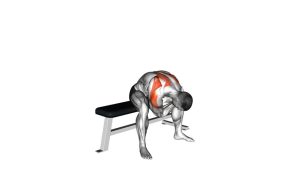
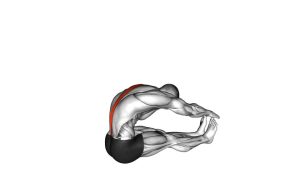
This stretch works best when you move with control and breathe calmly into the end range. The goal is to lengthen the back muscles gradually rather than force your chest toward your legs. You should feel a smooth stretch across the upper back, mid-back, and possibly the hamstrings, without sharp pulling in the lower back or neck.
Quick Overview
| Body Part | Back |
|---|---|
| Primary Muscle | Latissimus dorsi, thoracic spinal extensors |
| Secondary Muscle | Rhomboids, posterior deltoids, teres major, hamstrings |
| Equipment | None |
| Difficulty | Beginner |
Sets & Reps (By Goal)
- General flexibility: 2–4 sets × 20–30 second holds
- Warm-up mobility: 1–3 sets × 8–10 slow reps with a brief pause at end range
- Post-workout cooldown: 2–3 sets × 30–45 second holds
- Desk posture reset: 1–2 sets × 15–20 second holds with easy effort
Progression rule: Increase hold time gradually before trying to reach farther. Better mobility comes from relaxed, repeatable stretching—not forcing the range.
Setup / Starting Position
- Sit on the floor: Extend your legs straight in front of you with your feet together or hip-width apart.
- Stay tall first: Begin with an upright torso and relaxed shoulders.
- Keep the legs relaxed: Knees can stay straight or slightly soft if your hamstrings are tight.
- Reach the arms forward: Let your hands travel toward your shins, ankles, or feet.
- Prepare to move smoothly: Think about folding forward with control rather than dropping into the stretch.
Tip: Sitting on a folded towel or yoga block can make the starting position more comfortable if your hips or hamstrings feel tight.
Execution (Step-by-Step)
- Lift tall through the spine: Sit upright and inhale to create length through your back.
- Reach forward slowly: Exhale as you bend forward and slide your hands toward your legs or feet.
- Round gently through the upper back: Allow the thoracic spine to flex naturally as the reach deepens.
- Find your stretch position: Hold the end range where you feel a comfortable stretch across the upper and mid-back.
- Breathe and relax: Stay in the stretch for the planned hold time without bouncing.
- Return with control: Slowly come back to the starting position and reset before the next rep.
Pro Tips & Common Mistakes
- Move slowly into the stretch: Rushing forward usually creates tension instead of relaxation.
- Keep the shoulders down: Don’t shrug while reaching toward the feet.
- Use your breath: Exhale as you fold forward and let the stretch deepen naturally.
- Don’t bounce: Ballistic stretching can irritate the back and hamstrings.
- Avoid forcing the lower back: If you feel compression or sharp pulling, reduce the range.
- Modify as needed: Bend the knees slightly if hamstring tightness limits comfortable positioning.
- Stay consistent: Gentle daily mobility work is usually more effective than occasional aggressive stretching.
FAQ
Where should I feel the Sitting Bent-Over Back Stretch?
You should mainly feel it across the upper and mid-back, with some mild stretch through the lats, rear shoulders, and sometimes the hamstrings depending on your flexibility.
Is this stretch good for posture?
Yes, it can help reduce stiffness in the upper back and improve thoracic mobility, which may support better posture when combined with strengthening exercises for the back and shoulders.
Should I keep my legs completely straight?
Not necessarily. If straight legs make the stretch too intense or pull too much on the lower back, you can keep a slight bend in the knees.
Can beginners do this exercise safely?
Yes, it is beginner-friendly as long as you move gently, avoid bouncing, and stop before any sharp pain. Using props can make it more comfortable.
When should I use this stretch?
It works well in warm-ups, cooldowns, mobility sessions, or as a quick reset after long periods of sitting.
Recommended Equipment (Optional)
- Yoga Mat — provides a more comfortable surface for seated stretching
- Yoga Strap — helps you reach the feet without forcing your posture
- Yoga Block — useful for elevating the hips if seated mobility is limited
- Stretching Strap — supports controlled flexibility work for the back and hamstrings
- Foam Roller — great for pairing with thoracic mobility and back recovery work
Tip: Use props to make the stretch more controlled and comfortable, not to push deeper than your body is ready for.