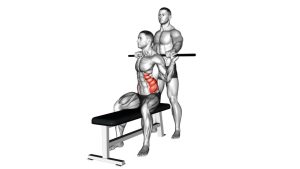
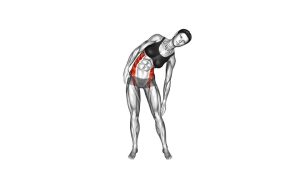
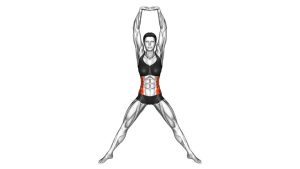
Standing Side Stretch: Proper Form, Benefits, Tips & FAQ
Learn how to do the Standing Side Stretch with proper form to improve waist, oblique, and lat flexibility. Includes setup, execution steps, sets by goal, common mistakes, FAQs, and recommended equipment.
Standing Side Stretch
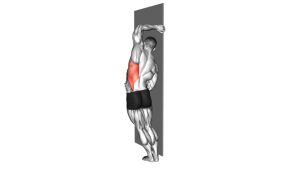
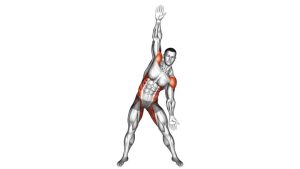
This movement works best when performed with control rather than speed. You should feel a gentle-to-moderate stretch along the side of the torso, especially through the waist, obliques, and lat area. The stretch should feel smooth and comfortable, not sharp or pinching. Focus on reaching up before leaning sideways so you create length first, then range.
Quick Overview
| Body Part | Core / Obliques |
|---|---|
| Primary Muscle | Obliques |
| Secondary Muscle | Latissimus dorsi, serratus anterior, quadratus lumborum, intercostals |
| Equipment | None |
| Difficulty | Beginner |
Sets & Reps (By Goal)
- Daily mobility: 2–3 sets × 8–12 reps per side with a 1–2 second pause
- Warm-up before training: 1–2 sets × 6–10 reps per side with controlled tempo
- Flexibility focus: 2–4 sets × 20–30 second holds per side
- Desk-break reset: 1–2 sets × 5–8 reps per side at easy effort
Progression rule: Increase hold time or improve control before increasing range. Better alignment and smoother movement matter more than bending farther.
Setup / Starting Position
- Stand tall: Place your feet about hip-width to shoulder-width apart for a stable base.
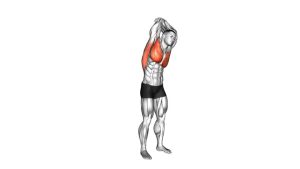
- Raise the arms overhead: Clasp the hands together or hold one wrist with the opposite hand.
- Lengthen the body upward: Reach up through the arms before moving sideways.
- Keep the ribs controlled: Avoid flaring the chest or arching the lower back.
- Stay square: Hips and chest should face forward throughout the movement.
Tip: A slight bend in the knees can help you stay balanced and reduce unwanted tension in the lower back.
Execution (Step-by-Step)
- Start tall: Reach your arms overhead and create length through the spine.
- Lean to one side: Slowly bend the torso sideways without rotating the chest.
- Feel the stretch: You should notice a long stretch along the opposite side of the waist and ribcage.
- Pause briefly: Hold the end position for 1–2 seconds or longer if using it as a static stretch.
- Return with control: Come back to the center smoothly, then repeat on the other side.
Pro Tips & Common Mistakes
- Reach upward first: This creates more length and improves the quality of the stretch.
- Do not twist: Keep the chest facing forward instead of rotating during the bend.
- Avoid collapsing: Stay tall through the torso rather than crunching into the lower side.
- Keep the shoulders relaxed: Lift the arms without shrugging excessively.
- Move slowly: Controlled reps are more effective than bouncing into range.
- Keep the hips steady: Too much hip shift reduces the stretch on the target area.
FAQ
Where should I feel the standing side stretch?
You should feel it mainly along the side of the torso, especially through the obliques, waist, and sometimes the lat area near the ribcage and underarm.
Should this exercise be done dynamically or held statically?
It can be used both ways. Controlled side-to-side reps work well in a warm-up, while longer holds are better for flexibility sessions or cool-downs.
Is the standing side stretch good for tight obliques and lats?
Yes. This movement is useful for improving side-body mobility and can help reduce stiffness in the waist, ribcage, and upper side torso when done regularly.
Should I bend as far as possible?
No. Only move into a range where you can keep your chest facing forward and your spine long. A moderate, clean stretch is better than forcing extra range with bad form.
Can beginners do this exercise every day?
In most cases, yes. Because it is low impact and bodyweight-only, many people can use it daily as part of a mobility routine, provided it feels comfortable and does not irritate the lower back or shoulders.
Recommended Equipment (Optional)
- Yoga Mat — useful for warm-ups, stretching sessions, and floor-based mobility work
- Stretching Strap — helps improve flexibility routines and assisted mobility drills
- Foam Roller — helpful for reducing upper-body tightness before side-body stretching
- Massage Ball — useful for targeting tight spots around the lats, upper back, and trunk
- Resistance Bands Set — great for pairing this stretch with shoulder and torso mobility work
Tip: Use these tools to support your overall mobility routine, but keep the Standing Side Stretch itself smooth, simple, and pain-free.