Cable Bar Lateral Pulldown: Proper Form, Sets, Tips & FAQ
Learn how to do the Cable Bar Lateral Pulldown with proper form for stronger lats and upper back development. Includes setup, step-by-step execution, sets by goal, common mistakes, FAQs, and recommended equipment.
Cable Bar Lateral Pulldown
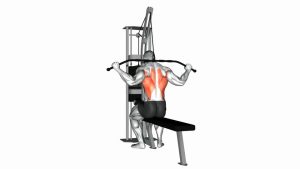
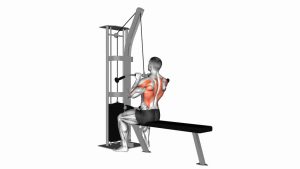
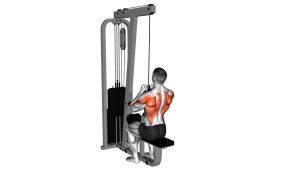
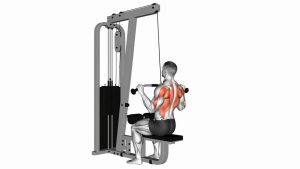
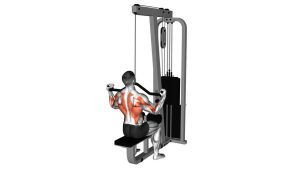
This exercise is highly effective for developing a wider, stronger back when performed with controlled tempo and clean technique. The video shows a seated setup with the exerciser maintaining an upright torso, pulling the bar down in a smooth vertical path, and returning it under control. Instead of using momentum, the movement is driven by shoulder adduction, scapular depression, and elbow flexion, making it an excellent choice for focused back training.
Quick Overview
| Body Part | Back |
|---|---|
| Primary Muscle | Latissimus dorsi |
| Secondary Muscle | Teres major, rhomboids, middle trapezius, rear deltoids, biceps |
| Equipment | Cable machine, high pulley, straight bar attachment, bench or pulldown seat |
| Difficulty | Beginner to Intermediate |
Sets & Reps (By Goal)
- Muscle growth: 3–4 sets × 8–12 reps with controlled tempo and full lat contraction
- Strength focus: 4–5 sets × 5–8 reps using heavier resistance and strict form
- Technique and activation: 2–3 sets × 12–15 reps with lighter weight and clean motion
- Back workout finisher: 2–3 sets × 12–15 reps with short rests and strong squeeze at the bottom
Progression note: Add weight only when you can keep the chest up, pull to the upper chest with control, and return the bar without letting it jerk you upward.
Setup / Starting Position
- Set the station: Attach a straight bar to a high cable pulley and position your bench or seat securely underneath.
- Sit tall: Plant your feet firmly on the floor and keep your torso upright with your core braced.
- Grip the bar: Take a wide overhand grip slightly outside shoulder width for strong lat involvement.
- Start at full stretch: Extend your arms overhead while keeping tension on the cable and your shoulders controlled.
- Lift the chest: Keep your chest proud and neck neutral to create a stable pulling position.
A slight natural lean is acceptable, but the setup should still feel stable and stacked rather than loose or exaggerated.
Execution (Step-by-Step)
- Initiate with the upper back: Begin by pulling the shoulders down and slightly back before bending the elbows.
- Pull the bar downward: Drive the elbows down and out as the bar travels toward the upper chest.
- Keep the torso steady: Avoid swinging or leaning far backward to move the weight.
- Squeeze at the bottom: Pause briefly when the bar reaches the upper chest or collarbone area.
- Return slowly: Extend the arms under control and allow the lats to stretch at the top without losing posture.
Pro Tips & Common Mistakes
- Lead with the elbows: Pulling through the elbows improves lat recruitment and back engagement.
- Keep the chest lifted: A proud chest helps create a better pulling angle and cleaner bar path.
- Control the top stretch: Let the lats lengthen without relaxing completely or losing cable tension.
- Avoid excessive lean-back: Turning the pulldown into a row reduces vertical pulling emphasis.
- Do not yank the bar: Momentum takes stress away from the back and increases joint strain.
- Do not pull behind the neck: Bringing the bar to the front is generally safer and more effective for most lifters.
- Use a full but comfortable range: Pull as low as you can while maintaining shoulder-friendly mechanics and clean form.
FAQ
What muscles does the Cable Bar Lateral Pulldown work?
The main target is the latissimus dorsi. It also trains the teres major, rhomboids, middle traps, rear deltoids, and biceps as assisting muscles.
Should I pull the bar to the chest or behind the neck?
For most people, pulling the bar to the front of the upper chest is the better option. It is typically more shoulder-friendly and easier to control with proper posture.
How wide should my grip be?
A grip slightly wider than shoulder width usually works well. Very wide grips can shorten the range of motion, while very narrow grips may shift the emphasis away from the intended pattern.
Is this exercise better for back width or thickness?
This movement is mainly used for back width because of its strong lat emphasis, though it also contributes to upper-back development when performed correctly.
Can beginners use the Cable Bar Lateral Pulldown?
Yes. Beginners can learn this exercise effectively by starting with a manageable weight, focusing on posture, and controlling both the pull and the return.
Recommended Equipment (Optional)
- Lat Pulldown Straight Bar Attachment — useful for cable pulldowns, straight-arm variations, and other back exercises
- Resistance Bands Set — great for warm-ups, shoulder activation, and extra back training at home
- Lifting Straps — helpful when grip strength limits your back training on heavier sets
- Workout Gloves — can improve grip comfort and reduce hand irritation during cable work
- Foam Roller — useful for upper-back mobility and recovery work between training sessions
Choose equipment that supports better training quality, not shortcuts. Strong technique, controlled reps, and progressive overload matter most for long-term back development.