Inverted Row: Proper Form, Sets, Muscles Worked & FAQ
Learn how to do the Inverted Row with proper form to build back strength, improve posture, and develop pulling power. Includes setup, step-by-step execution, sets and reps by goal, common mistakes, FAQs, and recommended equipment.
Inverted Row
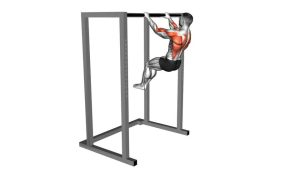
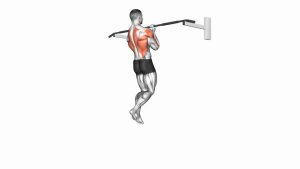
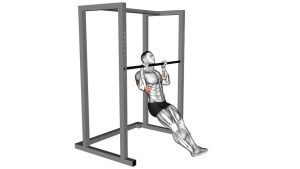
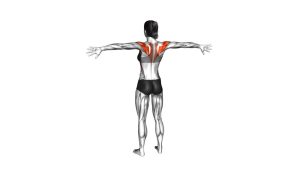
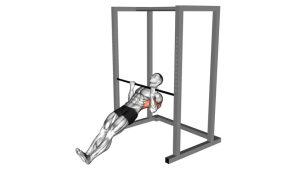
The Inverted Row works best when the movement stays strict from start to finish. The body should remain rigid, the shoulders should stay organized, and the chest should rise toward the bar without swinging, shrugging, or overextending the lower back. From the rear angle shown in the video, the upper-back contraction is very clear, especially through the rhomboids, middle traps, rear delts, and lats as the elbows travel back and the shoulder blades retract.
Quick Overview
| Body Part | Back |
|---|---|
| Primary Muscle | Rhomboids, middle trapezius, latissimus dorsi |
| Secondary Muscle | Posterior deltoids, biceps, brachialis, forearms, core, glutes |
| Equipment | Fixed bar, Smith machine bar, rack bar, or suspension trainer |
| Difficulty | Beginner to Intermediate (easily adjustable by changing body angle) |
Sets & Reps (By Goal)
- General muscle building: 3–4 sets × 8–12 reps with controlled tempo and full range of motion
- Back strength: 4–5 sets × 5–8 reps using a more challenging body angle and longer rest periods
- Posture and scapular control: 2–4 sets × 10–15 reps with a brief squeeze at the top of each rep
- Beginner practice: 2–3 sets × 6–10 reps with the bar set higher to reduce resistance
- Warm-up activation: 2–3 sets × 8–12 easy reps focusing on shoulder blade movement and body alignment
Progression rule: First improve form, then increase total reps, then lower the bar or elevate the feet to make the movement harder. The best progress comes from cleaner reps, not rushed reps.
Setup / Starting Position
- Set the bar height: Place the bar around waist to chest height depending on your current strength level. A higher bar makes the exercise easier, while a lower bar makes it harder.
- Position under the bar: Lie underneath it with your chest directly below the bar and your feet extended in front of you.
- Grip the bar: Use a shoulder-width overhand grip unless you are intentionally using another variation.
- Straighten the body: Keep the head, torso, hips, and legs in one straight line. Brace the abs and squeeze the glutes.
- Start with straight arms: Let the arms fully extend while keeping the shoulders under control rather than hanging passively.
- Set the neck neutral: Keep your gaze forward or slightly upward without craning the neck.
Tip: Think of the exercise as a moving plank plus a row. Your torso should stay stable while the upper back does the pulling.
Execution (Step-by-Step)
- Brace before you pull: Tighten the core and glutes so your body stays rigid from shoulders to heels.
- Initiate with the upper back: Begin by pulling the shoulder blades back and down rather than yanking with the arms only.
- Drive the elbows backward: Bend the elbows and pull your chest toward the bar in a smooth, controlled line.
- Reach the top position: Bring the chest close to the bar while keeping the shoulders organized and the body straight.
- Squeeze the back: Pause briefly at the top to emphasize the rhomboids, middle traps, rear delts, and lats.
- Lower under control: Extend the elbows slowly and return to the starting position without dropping or losing tension.
- Repeat cleanly: Perform each rep with the same posture and tempo, avoiding momentum or partial range.
Pro Tips & Common Mistakes
- Keep the body rigid: Do not let the hips drop or the lower back overarch during the pull.
- Lead with the chest: Think about bringing the chest to the bar instead of just curling the body upward.
- Use full range of motion: Extend fully at the bottom and contract hard at the top for better back development.
- Do not shrug excessively: Keep the shoulders from creeping upward toward the ears as you row.
- Avoid momentum: Swinging the torso or kicking the legs reduces tension on the target muscles.
- Control the eccentric: The lowering phase is just as valuable as the pull for strength and muscle growth.
- Adjust bar height intelligently: Make the movement easier or harder without sacrificing technique.
- Use a brief pause at the top: A one-second squeeze improves scapular awareness and back engagement.
FAQ
What muscles does the inverted row work the most?
The Inverted Row mainly trains the rhomboids, middle trapezius, and latissimus dorsi. It also works the rear delts, biceps, brachialis, and the core for body stabilization.
Is the inverted row good for beginners?
Yes. It is one of the best beginner-friendly pulling exercises because the resistance can be adjusted simply by changing the bar height or body angle. A more upright body position makes the exercise easier while still teaching proper rowing mechanics.
What is the difference between an inverted row and a pull-up?
The Inverted Row is a horizontal pull, while the pull-up is a vertical pull. Inverted rows are usually easier and are excellent for developing upper-back strength, scapular control, and pulling coordination that can carry over to pull-ups.
Should my chest touch the bar?
Ideally, your chest should come very close to the bar on strict reps. The exact range depends on your shoulder mobility, bar setup, and body control, but the goal is to reach a strong top contraction without losing posture.
How can I make inverted rows harder?
You can lower the bar, elevate your feet, pause longer at the top, slow down the eccentric, or add external load such as a weighted vest. Progress only when you can maintain a straight body line and clean scapular mechanics.
Recommended Equipment (Optional)
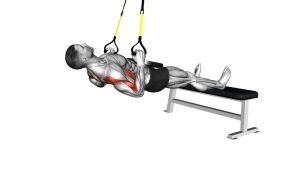
- Suspension Trainer — excellent for inverted rows, bodyweight pulling variations, and scalable home workouts
- Power Rack with Pull-Up Bar — provides a sturdy setup for inverted rows, pull-ups, and multiple strength exercises
- Weighted Vest — a practical way to progress inverted rows once bodyweight reps become too easy
- Gymnastics Rings — allows more freedom of movement and adds stabilization demands during rowing variations
- Resistance Bands Set — helpful for warm-ups, scapular activation drills, and complementary upper-back work
Tip: Choose equipment that matches your training level and available space. For most people, a sturdy bar setup or suspension trainer is enough to build strong inverted rows.