Dumbbell Pronated-to-Neutral Grip Row: Form, Muscles Worked, Sets & Tips
Learn how to do the Dumbbell Pronated-to-Neutral Grip Row with proper form. Discover muscles worked, setup, step-by-step execution, sets and reps by goal, mistakes to avoid, FAQs, and recommended equipment.
Dumbbell Pronated-to-Neutral Grip Row
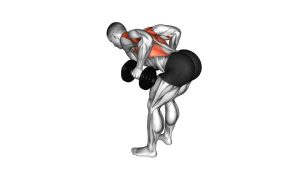
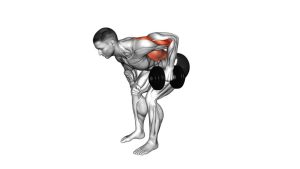
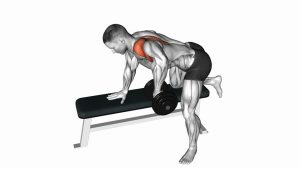
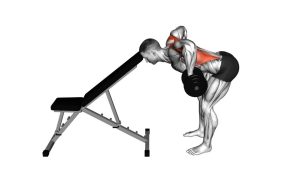
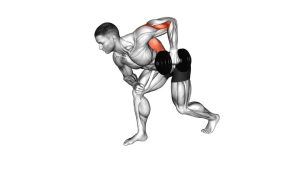
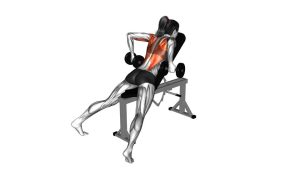
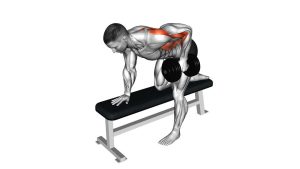
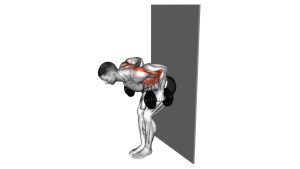
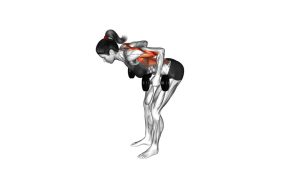
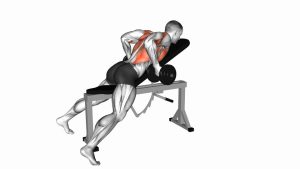
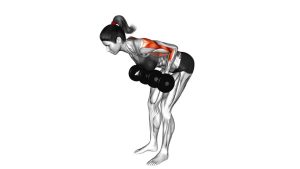
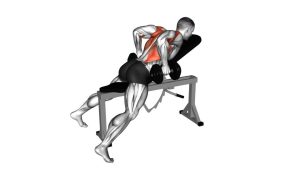
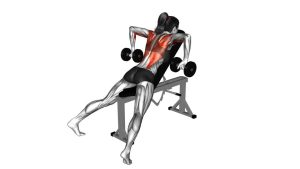
This exercise blends classic dumbbell row mechanics with a smooth grip transition, making it useful for lifters who want strong back development without forcing the shoulders into a rigid fixed-grip position. When performed correctly, you should feel the lats, rhomboids, rear delts, and mid-back working together while the core and lower back stabilize the bent-over position. The motion should stay controlled from start to finish, with no torso jerking, shrugging, or rushed reps.
Quick Overview
| Body Part | Back |
|---|---|
| Primary Muscle | Latissimus dorsi, rhomboids, middle trapezius |
| Secondary Muscle | Rear deltoids, biceps, brachialis, brachioradialis, erector spinae, core stabilizers |
| Equipment | Two dumbbells |
| Difficulty | Intermediate |
Sets & Reps (By Goal)
- Muscle building: 3–4 sets × 8–12 reps with controlled tempo and full range of motion
- Strength focus: 4–5 sets × 5–8 reps using heavier dumbbells and strict form
- Technique practice: 2–3 sets × 10–15 reps with lighter weight to master the grip rotation
- Back endurance / accessory work: 2–4 sets × 12–15 reps with short rest and clean reps
Progression rule: Add load only after you can maintain a stable hip hinge, smooth pronated-to-neutral rotation, and a fully controlled lowering phase on every rep.
Setup / Starting Position
- Stand tall with dumbbells in both hands: Keep your feet about hip-width apart for a solid base.
- Create a slight knee bend: Unlock the knees so you can hinge comfortably without stiff legs.
- Hip hinge into position: Push the hips back and lean the torso forward until you reach a stable bent-over angle.
- Keep a neutral spine: Brace the core, flatten the back, and keep the chest slightly lifted.
- Let the arms hang straight down: Start with a pronated grip so the palms face back or slightly inward toward the legs.
- Set the shoulders: Keep them down and away from the ears instead of rounding forward or shrugging up.
Tip: Your torso angle should let you row through the back, not turn the movement into an upright shrug or a cheat curl.
Execution (Step-by-Step)
- Brace before each rep: Tighten your core and keep the spine locked in a strong bent-over position.
- Initiate with the elbows: Pull the elbows back rather than yanking the dumbbells with the hands.
- Rotate as you row: As the dumbbells travel upward, smoothly rotate from a pronated grip into a neutral grip.
- Keep the elbows close to the body: Aim to row toward the lower ribs or upper waist to emphasize the lats and mid-back.
- Squeeze at the top: Briefly contract the shoulder blades together without overextending the chest or shrugging.
- Lower under control: Reverse the motion slowly, rotating the grip back toward pronated as the arms extend.
- Reset and repeat: Let the back muscles lengthen at the bottom while maintaining posture before the next rep.
Pro Tips & Common Mistakes
- Lead with the elbows, not the wrists: This keeps the pull driven by the back instead of the arms alone.
- Do not rush the rotation: Let the grip change happen progressively as the dumbbells rise.
- Keep your neck neutral: Avoid craning the head up or tucking the chin excessively.
- Do not use momentum: Swinging the torso reduces back tension and shifts stress to the lower back.
- Avoid shrugging at the top: Pulling the shoulders up turns the rep into more trap dominance than a clean row.
- Control the eccentric: The lowering phase is where a lot of muscle-building stimulus happens.
- Use appropriate load: Too much weight often ruins the hinge, the elbow path, and the grip transition.
FAQ
What is the benefit of rotating from pronated to neutral during the row?
The rotation can create a more natural shoulder and elbow path during the pull. Many lifters find it helps them row more comfortably while improving lat and upper-back engagement.
Is this better than a standard dumbbell row?
It is not automatically better for everyone, but it is a valuable variation. If the rotating grip feels smoother on your wrists, elbows, or shoulders, it can be an excellent option for back training.
Where should I feel this exercise the most?
You should mainly feel it in the lats, rhomboids, middle back, and rear delts. The biceps will assist, but the back should remain the main driver of the movement.
Can beginners do the Dumbbell Pronated-to-Neutral Grip Row?
Yes, but beginners should start light and first learn how to hold a stable hip hinge. The rotation should stay smooth, controlled, and never forced.
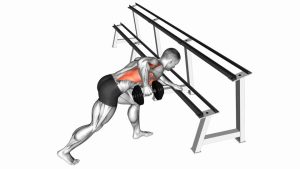
Should I row both dumbbells together or one side at a time?
Both options work. Performing both together increases the demand on posture and bracing, while single-arm rows can make it easier to focus on one side and maintain cleaner mechanics.
Recommended Equipment (Optional)
- Adjustable Dumbbells — ideal for progressive overload and convenient weight changes at home
- Weightlifting Gloves — can improve grip comfort and reduce hand fatigue during high-volume rowing sessions
- Lifting Straps — useful when grip strength limits your back work before the target muscles are fully trained
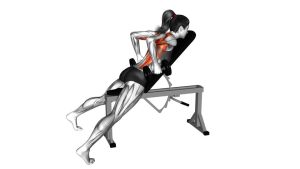
- Adjustable Weight Bench — helpful for chest-supported row variations and other back accessory exercises
- Resistance Bands Set — great for warm-ups, scapular activation drills, and supplemental pulling volume
Tip: Choose equipment that helps you keep quality high. Better control and better setup usually lead to better back training.