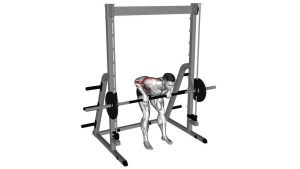
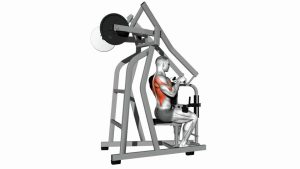
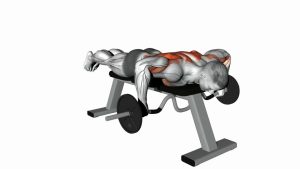
Lever T-Bar Row (Plate-Loaded): Proper Form, Muscles Worked, Sets & Tips
Learn how to perform the Lever T-Bar Row (Plate-Loaded) with proper form. Discover muscles worked, setup, execution steps, sets and reps by goal, common mistakes, FAQs, and recommended equipment.
Lever T-Bar Row (Plate-Loaded)
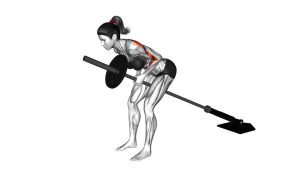
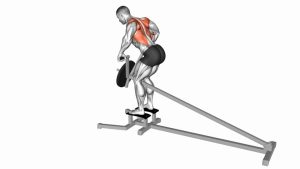
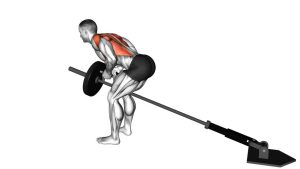
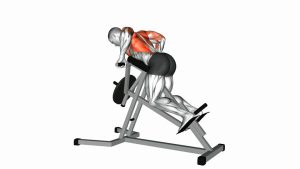
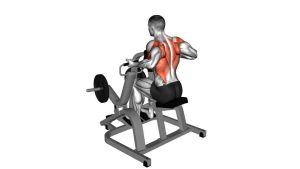
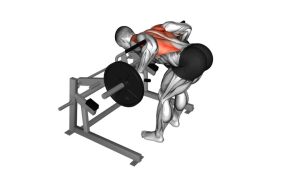
This exercise is excellent for building back thickness and improving rowing mechanics. Because your chest is supported, it is easier to keep the torso stable and place more attention on the working muscles instead of using momentum. Done well, the movement should feel smooth and powerful through the upper and mid-back, with the arms assisting rather than dominating the pull.
Quick Overview
| Body Part | Back |
|---|---|
| Primary Muscle | Latissimus dorsi, rhomboids, middle trapezius |
| Secondary Muscle | Rear deltoids, biceps, forearms, lower traps, spinal stabilizers |
| Equipment | Plate-loaded lever T-bar row machine |
| Difficulty | Intermediate |
Sets & Reps (By Goal)
- Muscle growth: 3–4 sets × 8–12 reps, 60–90 sec rest
- Strength focus: 4–5 sets × 5–8 reps, 90–150 sec rest
- Back control / clean technique: 2–4 sets × 10–15 reps, 45–75 sec rest
- Finisher / pump work: 2–3 sets × 12–15 reps with controlled tempo
Progression rule: Add load only after you can complete all target reps with full range, chest support maintained, and no body English or handle yanking.
Setup / Starting Position
- Load the machine: Add an appropriate amount of weight that allows full control and a complete range of motion.
- Plant your feet: Stand securely on the platform with feet around hip-width apart for balance.
- Set your chest: Lean into the chest pad so your torso is supported without rounding the upper back.
- Grab the handles: Use the machine’s neutral or parallel grips with wrists in a straight, stacked position.
- Start stretched: Let the arms extend fully at the bottom while keeping the shoulders controlled and the spine neutral.
Tip: Before the first rep, brace the core lightly and keep the neck neutral so the row stays anchored through the torso.
Execution (Step-by-Step)
- Brace and lock in: Keep your chest connected to the pad, ribs down, and head in line with the spine.
- Initiate the row: Begin by pulling the shoulder blades back and down as the elbows start traveling behind you.
- Drive through the elbows: Pull the handles toward the lower chest or upper abdomen in a smooth, controlled path.
- Squeeze at the top: Pause briefly when your elbows are behind the torso and your mid-back is fully contracted.
- Lower with control: Extend the arms slowly back to the start and allow a full stretch without losing position on the pad.
Pro Tips & Common Mistakes
- Keep the chest glued to the pad: This limits momentum and keeps tension on the back.
- Pull with the elbows, not the hands: Thinking about elbow path helps the lats and mid-back work harder.
- Use full range: Let the shoulder blades move naturally so you get both a stretch and a strong contraction.
- Avoid shrugging: Do not let the upper traps take over by lifting the shoulders toward the ears.
- Do not bounce the weight: Rushed reps reduce tension and usually shorten the range of motion.
- Keep wrists neutral: Bent wrists can create unnecessary forearm and wrist fatigue.
- Match grip to comfort: A neutral grip is often the most shoulder-friendly and stable option on this machine.
FAQ
What muscles does the Lever T-Bar Row work the most?
It mainly targets the lats, rhomboids, and middle traps. The rear delts, biceps, and forearms also assist during the pull.
Is the plate-loaded Lever T-Bar Row better than a free-weight row?
It depends on your goal. The machine version gives you more support and stability, which makes it excellent for controlled back training and hypertrophy. Free-weight rows demand more total-body stabilization.
Where should I pull the handles to?
In most cases, pulling toward the lower chest or upper abdomen works best. The exact touch point can vary slightly depending on machine design and arm path.
Should I let my shoulders move at the bottom?
Yes, but in a controlled way. Let the shoulder blades protract naturally enough to create a full stretch, then reverse the motion smoothly without collapsing your posture.
Can beginners use this exercise?
Yes. Many beginners find it easier than unsupported barbell rows because the chest pad improves stability. Start light and focus on range of motion and back engagement before loading heavily.
Recommended Equipment (Optional)
- Weightlifting Straps — helpful if grip gives out before your back muscles do on heavier rowing sets
- Weightlifting Belt — optional support for lifters who want extra bracing feedback on heavy back sessions
- Gym Lifting Gloves — can improve handle comfort and reduce palm irritation during high-volume training
- Fractional Weight Plates — useful for making smaller strength jumps on plate-loaded machines
- Resistance Bands Set — great for warm-ups, scapular activation, and pairing with pull-aparts before rowing work
Tip: Accessories should support better performance, not replace proper technique. The main priority is always controlled reps, solid chest support, and consistent elbow drive.