Posterior Neck Isometric Hold: Safe Form, Sets, Tips & FAQ
Learn the posterior neck isometric hold to strengthen cervical extensors for better neck stability and posture. Step-by-step form, sets by goal, common mistakes, FAQs, and recommended equipment.
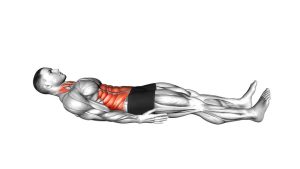
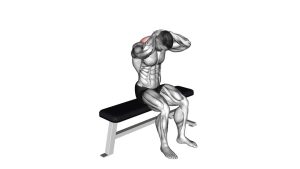
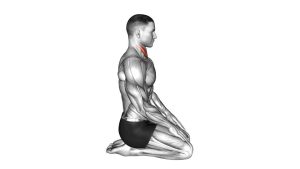
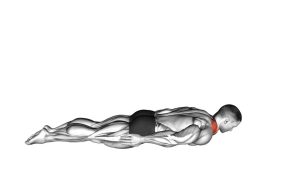
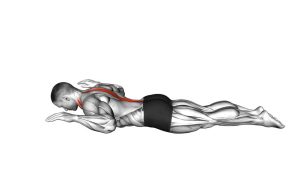
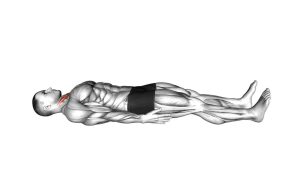
Posterior Neck Isometric Hold
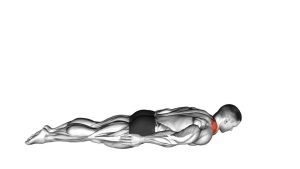
This is a low-impact way to build cervical stability and posterior neck endurance. Because it’s isometric, it’s often easier to control than dynamic neck extensions. You should feel a firm, muscular “work” at the back of the neck—not pinching at the base of the skull, dizziness, headache symptoms, or pain radiating into the shoulder/arm.
Quick Overview
| Body Part | Neck |
|---|---|
| Primary Muscle | Neck extensors (splenius capitis/cervicis, semispinalis capitis) |
| Secondary Muscle | Upper traps (minimal), deep cervical stabilizers, upper back stabilizers |
| Equipment | None (optional: wall, towel/pad, partner, resistance strap) |
| Difficulty | Beginner (excellent for control, rehab-style strength, and contact-sport prep) |
Sets & Reps (By Goal)
- Rehab / pain-free stability: 2–3 sets × 5–10 sec holds (30–60 sec rest, easy effort)
- Posture & daily neck hygiene: 2–4 sets × 10–20 sec holds (30–60 sec rest, moderate effort)
- Strength & contact-sport prep: 3–5 sets × 15–30 sec holds (45–90 sec rest, controlled effort)
- Warm-up activation: 1–2 sets × 8–12 sec holds (light tension, focus on form)
Progression rule: Add time first (e.g., +3–5 seconds), then add a set. Only increase resistance when you can keep the neck neutral and breathe calmly.
Setup / Starting Position
- Pick your resistance: Hands behind head, wall + towel/pad, or a partner’s steady resistance.
- Get tall: Stand or sit upright with ribs down and shoulders relaxed (avoid shrugging).
- Find neutral neck: Chin gently tucked (not lifted). Think “neck long,” not “head back.”
- Brace lightly: Tighten abs slightly so the neck doesn’t compensate for a loose torso.
- Set breathing: Inhale through the nose, exhale slowly—do not hold your breath.
Tip: A folded towel against a wall can make the hold more comfortable and consistent.
Execution (Step-by-Step)
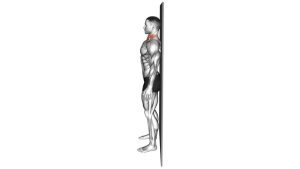
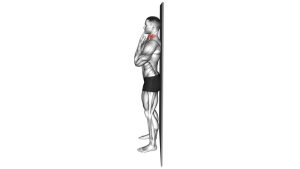
- Position resistance: Place hands behind the head (occiput) or rest the back of the head on a padded wall.
- Ramp tension smoothly: Press the head gently backward into resistance (build to ~6–7/10 effort).
- Keep neutral: Don’t crank the chin up. Maintain a long neck and relaxed jaw.
- Hold and breathe: Maintain steady pressure for the target time while breathing normally.
- Release slowly: Ease off tension gradually—no sudden drop-off.
Pro Tips & Common Mistakes
- Use a “ramp”: Build pressure over 1–2 seconds instead of slamming into resistance.
- Don’t overextend: Chin-up posture shifts stress to joints—stay neutral.
- Keep shoulders down: Shrugging turns it into a trap exercise.
- Breathe the whole time: Breath-holding spikes tension and can trigger headaches.
- Stop before form breaks: A clean 12-second hold beats a sloppy 30-second grind.
- Pair smart: Combine with chin tucks and upper-back work (rows/face pulls) for posture support.
FAQ
Where should I feel the posterior neck isometric?
Mostly in the back of the neck—a firm, muscular effort. You should not feel sharp pinching, dizziness, or pain radiating into the arm.
How hard should I press?
Start light and aim for moderate effort (about 5–7/10). This is a control drill—max effort isn’t necessary for most goals.
Can I do this every day?
Many people can do low-to-moderate intensity holds daily. If you notice lingering soreness or headaches, reduce hold time, intensity, or frequency.
Is this good for athletes and contact sports?
Yes—building neck endurance and stability can be helpful for contact athletes. Keep technique strict and progress gradually.
Who should avoid or modify this exercise?
If you have an acute neck injury, severe symptoms, or nerve-like signs (tingling/numbness), avoid pushing through and consult a qualified professional before loading the neck.
Recommended Equipment (Optional)
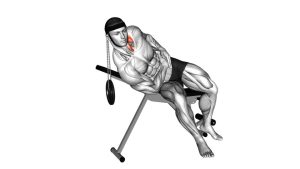
- Neck Harness — optional progression for controlled neck strengthening (use carefully)
- Resistance Bands Set — helpful for pairing posture work (rows, pull-aparts) alongside neck training
- Head Strap / Resistance Headband — can provide light, adjustable resistance for neck isometrics
- Foam Pad / Wall Cushion — improves comfort and consistency for wall-based isometric holds
- Cervical Roll / Neck Support Roll — useful for neutral positioning practice and gentle neck support
Tip: If any tool increases symptoms, stop using it and reassess. Keep neck work controlled and pain-free.