Cable Incline Pushdown: Proper Form, Sets, Tips & FAQ
Learn how to do the Cable Incline Pushdown with proper form to target the lats and build back width. Includes setup, execution, sets by goal, mistakes, FAQs, and recommended equipment.
Cable Incline Pushdown
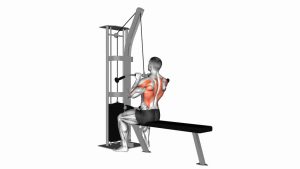
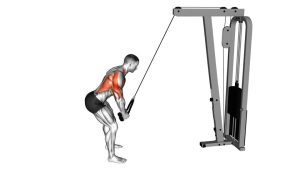
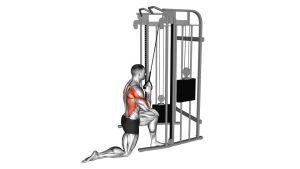
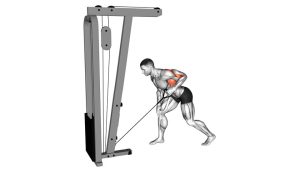
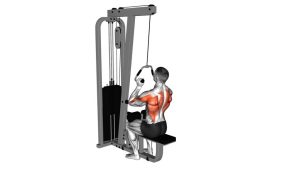
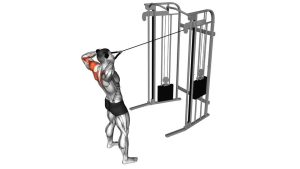
This exercise works best when you keep the motion smooth, the range controlled, and the tension centered in the lats rather than the arms or lower back. The incline setup creates more stability than a standing straight-arm pulldown, which makes it easier to feel a deep stretch at the top and a strong contraction near the hips. Focus on pulling through the shoulders, not jerking the weight down with body English.
Quick Overview
| Body Part | Back |
|---|---|
| Primary Muscle | Latissimus dorsi |
| Secondary Muscle | Teres major, posterior deltoids, lower traps, rhomboids, long head of triceps (stabilizing role) |
| Equipment | Cable machine, incline bench, wide bar or lat-bar attachment |
| Difficulty | Beginner to Intermediate |
Sets & Reps (By Goal)
- Muscle growth: 3–4 sets × 10–15 reps with controlled tempo and 45–75 sec rest
- Lat activation before back training: 2–3 sets × 12–15 reps using light-to-moderate weight
- Technique and mind-muscle connection: 2–4 sets × 8–12 reps with a 1–2 second squeeze at the bottom
- Finisher work: 2–3 sets × 15–20 reps with strict form and continuous tension
Progression rule: Add reps first, then increase weight gradually. Only load heavier when you can keep the chest supported, the shoulders down, and the return phase fully controlled.
Setup / Starting Position
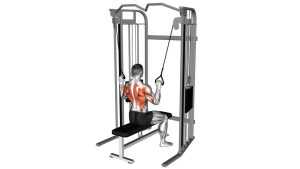
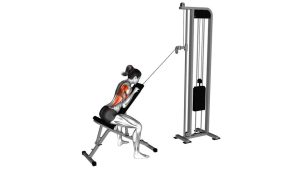
- Set the bench: Position an incline bench facing away from the cable machine, usually around a moderate incline.
- Attach the handle: Use a wide straight bar or lat-style bar on a high pulley.
- Sit securely: Place your chest and torso firmly against the bench so your upper body stays supported.
- Plant your feet: Keep both feet flat on the floor for balance and full-body stability.
- Start overhead: Reach up and grip the bar with arms extended overhead and elbows slightly bent.
- Find a stretched top position: Let the lats lengthen, but keep the ribcage stacked and avoid over-arching the lower back.
Tip: The bench support should make the movement feel more stable than a standing variation. If you feel yourself rocking, lighten the load and reset your position.
Execution (Step-by-Step)
- Brace and set the shoulders: Keep your chest in contact with the bench and your neck relaxed.
- Initiate with the lats: Begin the rep by pulling your upper arms downward rather than yanking with the hands.
- Drive the bar in an arc: Bring the attachment down from overhead toward your upper thighs or hip line.
- Keep the elbows softly bent: Maintain nearly the same elbow angle throughout the rep instead of turning it into a row or pulldown.
- Squeeze at the bottom: Pause briefly when the lats are fully shortened and the shoulders are depressed.
- Return under control: Let the bar rise slowly back to the stretched overhead position without losing tension.
Pro Tips & Common Mistakes
- Use the bench for support, not for relaxation: Stay engaged through the torso so the pull stays precise.
- Think upper arm, not hands: This cue helps shift tension away from the forearms and into the lats.
- Keep the range smooth: Don’t slam the bar down or let it fly back up.
- Avoid bending the elbows too much: Excess elbow flexion turns the movement into more of a pulldown than a lat isolation drill.
- Don’t shrug at the top: Let the lats stretch, but keep your shoulders organized and your neck relaxed.
- Control the eccentric: The return phase is where a lot of the exercise quality is built.
- Choose load carefully: Too much weight usually causes momentum, rib flare, and loss of lat tension.
FAQ
What muscles does the Cable Incline Pushdown work the most?
The main target is the latissimus dorsi. The exercise also involves the teres major, posterior deltoids, and scapular stabilizers that help control shoulder motion.
Is this the same as a straight-arm pulldown?
It is very similar, but the incline bench changes the setup. Because your torso is supported, the movement is often stricter and easier to feel in the lats without using momentum.
Should I go heavy on this exercise?
Usually, this exercise works better with moderate weight and excellent control. Going too heavy often turns it into a sloppy pulldown and reduces the lat-isolation benefit.
Where should I feel it?
You should feel a strong stretch in the outer upper back and lats at the top, followed by a firm contraction near the bottom as the upper arms move toward the hips.
Can beginners use the Cable Incline Pushdown?
Yes. It is a beginner-friendly variation because the bench support helps reduce cheating. Start light and learn to keep the elbows nearly fixed while moving through the shoulders.
Recommended Equipment (Optional)
- Lat Pulldown Bar Attachment — useful for wide, stable grip work on cable back exercises
- Adjustable Incline Weight Bench — provides the torso support needed for this variation
- Lifting Straps — helpful if grip fatigue limits your lat focus
- Resistance Bands Set — useful for warm-ups, lat activation, and extra back work
- Cable Handle Attachment Set — gives you more grip options for back and cable training variety
Tip: The best setup for this exercise is one that lets you stay strict and feel the lats clearly. If grip or poor bench positioning distracts you from the movement, adjust the equipment before adding more load.