Cable Seated Supine-Grip Row: Proper Form, Sets, Tips & FAQ
Learn how to do the Cable Seated Supine-Grip Row with proper form. Discover setup tips, step-by-step execution, sets and reps by goal, common mistakes, FAQs, and recommended equipment.
Cable Seated Supine-Grip Row
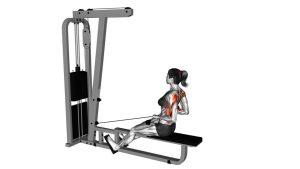
This exercise works best when you stay controlled and avoid using momentum. The underhand grip naturally brings more assistance from the biceps, but the movement should still be led by the back. At the start, allow a full stretch through the arms without losing posture. During the pull, drive the elbows back close to your sides and squeeze the shoulder blades together at the finish. A clean rep feels smooth, stable, and focused through the lats and middle back rather than the lower back or upper traps.
Quick Overview
| Body Part | Back |
|---|---|
| Primary Muscle | Latissimus dorsi |
| Secondary Muscle | Rhomboids, middle traps, posterior deltoids, biceps |
| Equipment | Cable row machine with straight or close-grip handle |
| Difficulty | Beginner to Intermediate |
Sets & Reps (By Goal)
- Muscle growth: 3-4 sets × 8-12 reps with controlled tempo and a full squeeze at the end of each rep
- Strength focus: 4-5 sets × 5-8 reps using heavier resistance while maintaining strict form
- Technique and activation: 2-3 sets × 12-15 reps with lighter weight and deliberate pauses at contraction
- Warm-up or back prep: 2-3 sets × 10-12 easy reps to groove the rowing pattern before heavier pulling work
Progression rule: Add reps before adding weight whenever possible. Once you can complete all prescribed reps with clean posture and a controlled return, increase the load slightly.
Setup / Starting Position
- Set your seat and foot position: Sit on the row bench with your feet braced firmly against the platform and your knees slightly bent.
- Choose an underhand grip: Grab the handle with palms facing up, keeping your hands about shoulder-width apart or according to the attachment design.
- Establish posture: Sit tall with a neutral spine, chest up, shoulders down, and core lightly braced.
- Reach forward under control: Let the arms extend fully so you feel a stretch through the lats without rounding the lower back.
- Start stable: Keep your torso upright and avoid leaning too far forward before beginning the pull.
Tip: A slight natural lean from the hips is fine, but your back should remain flat and your chest should stay open throughout the setup.
Execution (Step-by-Step)
- Initiate with the back: Begin the rep by driving your elbows backward rather than yanking the handle with your hands.
- Keep the elbows close: Pull the handle toward your lower abdomen while keeping the elbows tucked near your torso.
- Lift the chest as you row: Maintain a proud chest and neutral spine so the movement stays in the back instead of shifting into the lower back.
- Squeeze at the finish: When the handle reaches your midsection, briefly contract the lats and shoulder blades without overextending the torso.
- Return slowly: Extend the arms forward in a controlled manner and allow the shoulder blades to move naturally into a stretch before the next rep.
Pro Tips & Common Mistakes
- Lead with the elbows: Think about pulling your elbows behind you instead of curling the handle toward your body.
- Keep the wrists neutral: Avoid excessive wrist bending, especially with the underhand grip.
- Don’t swing the torso: Leaning back too much turns the row into a momentum-driven movement.
- Use the full range: Reach into a stretch at the front, then finish with a complete but controlled contraction.
- Keep shoulders depressed: Avoid shrugging at the top so the lats and mid-back stay loaded.
- Control the eccentric: The lowering phase builds tension and improves technique, so do not let the handle snap forward.
- Match load to form: A lighter, stricter set often builds the back better than a heavier set filled with body English.
FAQ
What muscles does the Cable Seated Supine-Grip Row work most?
The main target is the latissimus dorsi. It also trains the rhomboids, middle traps, rear delts, and biceps. The underhand grip usually increases arm involvement compared with some overhand row variations.
Is an underhand row better for lats?
It can be very effective for lat emphasis because the elbow path stays close to the torso and the grip position often helps lifters feel the lats more clearly. Proper technique still matters more than grip alone.
Where should I pull the handle?
In most cases, pull the handle toward the lower abdomen or navel area. This path usually keeps the elbows tucked and helps maintain strong lat involvement.
Should I lean back during the rep?
A small natural torso adjustment is acceptable, but you should not throw your body backward to move the weight. Keep the spine neutral and the chest up so the back muscles stay responsible for the work.
Can beginners use this exercise?
Yes. It is a beginner-friendly rowing variation as long as the load stays manageable and the lifter focuses on posture, controlled reps, and a smooth return phase.
Recommended Equipment (Optional)
- Seated Row Handle Attachment — useful for improving grip comfort and creating a consistent rowing setup on cable machines
- D-Handle Cable Attachment — a versatile option for cable rows, unilateral pulling, and attachment variety
- Weightlifting Straps — helpful when grip fatigue limits your back training before the lats are fully challenged
- Exercise Bench with Foot Support — useful for home gym cable setups that need better seated rowing stability
- Resistance Bands Set — good for extra lat activation drills, warm-ups, and back-focused accessory work
Tip: Accessories should improve comfort, control, or exercise quality. They should never replace proper setup and disciplined rowing mechanics.