Barbell Bent-Over Wide-Grip Row: Form, Muscles Worked, Sets, Tips & FAQ
Learn how to perform the Barbell Bent-Over Wide-Grip Row with proper form. Discover muscles worked, setup, step-by-step execution, sets by goal, common mistakes, FAQs, and recommended equipment.
Barbell Bent-Over Wide-Grip Row
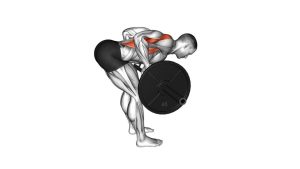
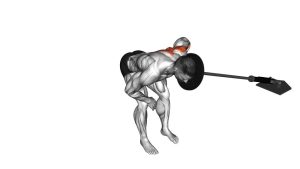
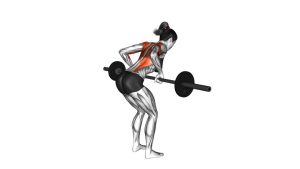
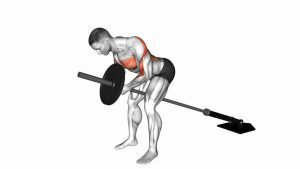
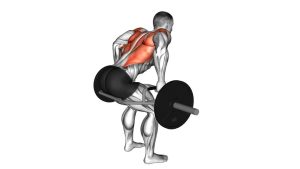
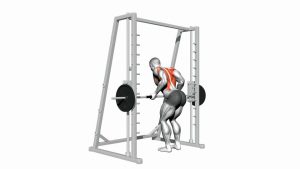
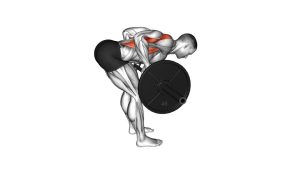
This exercise works best when you stay locked into a stable bent-over position and let the upper back initiate the pull. Each repetition should begin with a braced torso, followed by the elbows driving out and back while the shoulder blades squeeze together at the top. The movement should feel powerful but controlled, not loose or momentum-driven.
Quick Overview
| Body Part | Back |
|---|---|
| Primary Muscle | Rhomboids, middle traps, rear delts |
| Secondary Muscle | Lats, biceps, forearms, spinal erectors, core |
| Equipment | Barbell, weight plates |
| Difficulty | Intermediate |
Sets & Reps (By Goal)
- Muscle growth: 3–4 sets × 8–12 reps, 60–90 sec rest
- Strength focus: 4–5 sets × 5–8 reps, 90–150 sec rest
- Upper-back control / form work: 2–3 sets × 10–15 reps, moderate load, controlled tempo
- Accessory work after heavy pulls: 2–4 sets × 8–10 reps, leaving 1–2 reps in reserve
Progression rule: Add weight only when you can keep the torso fixed, the elbows tracking consistently, and the bar moving under control without bouncing or excessive body English.
Setup / Starting Position
- Load the barbell: Use a manageable weight that lets you maintain your bent-over position throughout the set.
- Take a wide overhand grip: Place your hands wider than shoulder width to bias the upper back and rear delts.
- Set your stance: Stand with feet about hip- to shoulder-width apart and keep a soft bend in the knees.
- Hinge at the hips: Push your hips back and lean your torso forward until it is roughly 30–45 degrees to the floor.
- Brace hard: Keep your chest open, core tight, neck neutral, and spine flat before starting the first rep.
- Let the bar hang naturally: Arms should be fully extended with the bar positioned below the shoulders.
Tip: Think of this setup as a strong athletic hinge, not a rounded reach toward the floor.
Execution (Step-by-Step)
- Lock in your torso: Before pulling, tighten your abs, keep the chest proud, and maintain the same torso angle.
- Start the row with your back: Pull the shoulder blades slightly together as the elbows begin to move out and back.
- Drive the elbows wide: Bring the bar toward your upper abdomen or lower chest rather than low to the waist.
- Squeeze at the top: At peak contraction, keep the elbows high, the upper back tight, and pause briefly without shrugging excessively.
- Lower under control: Extend the arms slowly and allow the shoulder blades to separate naturally without collapsing your posture.
- Repeat with the same bar path: Every rep should look nearly identical, with no torso jerking or bouncing.
Pro Tips & Common Mistakes
- Keep the hinge position fixed: The torso should stay steady from start to finish.
- Use the elbows to guide the lift: Wide elbows help keep the emphasis on the upper back and rear delts.
- Pull to the right height: Bringing the bar too low can shift the movement away from the intended upper-back focus.
- Do not yank the bar: Momentum reduces tension on the target muscles and can overload the lower back.
- Avoid rounded shoulders: Start every rep with the chest open and the upper back ready to contract.
- Control the lowering phase: The eccentric portion helps build more tension and better technique.
- Use straps if grip limits the set: If your upper back can do more but your hands fail first, straps can help maintain training quality.
FAQ
What muscles does the Barbell Bent-Over Wide-Grip Row work most?
It mainly emphasizes the upper back, especially the rhomboids, middle traps, and rear delts. The lats, biceps, forearms, lower back, and core also assist during the movement.
Why use a wide grip instead of a regular row grip?
A wider grip tends to flare the elbows more, which shifts more of the workload toward the upper back and rear shoulder area instead of making the row more lat-dominant.
How heavy should I go on this exercise?
Use a load that lets you keep a clean hinge, a flat back, and a smooth bar path for all reps. If form breaks down early, lighten the weight and rebuild with better control.
Should the bar touch my body?
In many cases, yes or very close. Pulling toward the upper abdomen or lower chest usually works well, but exact contact depends on your torso angle, arm length, and grip width.
Is this exercise good for posture?
It can help strengthen the muscles that support better upper-back position and scapular control. It works especially well when combined with balanced shoulder mobility and other pulling exercises.
Recommended Equipment
- Weightlifting Straps — useful when grip fatigue limits your upper-back work before the target muscles are fully trained
- Lifting Belt — helpful for bracing support during heavier bent-over rowing sets
- Barbell Collars — keeps the plates secure and stable while rowing
- Barbell Pad — optional for comfort in other barbell accessories and training variations in your routine
- Resistance Bands Set — great for pairing with warm-ups, rear-delt activation, and scapular control drills
Tip: Accessories should improve setup, grip, and stability, not replace good positioning and controlled technique.