Seated Row with Towel: Proper Form, Back Benefits, Sets & Tips
Learn how to do the Seated Row with Towel for stronger lats, rhomboids, and upper back control. Includes setup, step-by-step form, sets by goal, mistakes to avoid, FAQs, and recommended equipment.
Seated Row with Towel
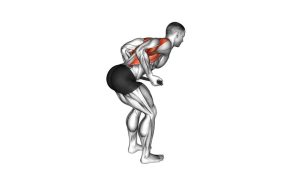
This movement works best when you focus on smooth tension and controlled scapular motion. From the back-view demonstration, the exercise clearly emphasizes pulling the elbows behind the torso while keeping the chest open and the shoulders from shrugging upward. A strong rep should create noticeable engagement across the mid-back and upper-back muscles, while the return phase stays deliberate instead of collapsing forward.
Quick Overview
| Body Part | Back |
|---|---|
| Primary Muscle | Latissimus dorsi, rhomboids, mid trapezius |
| Secondary Muscle | Rear deltoids, biceps, forearms, core stabilizers |
| Equipment | Towel |
| Difficulty | Beginner |
Sets & Reps (By Goal)
- Technique practice / activation: 2–3 sets × 10–15 reps with slow tempo and light-to-moderate tension
- Muscle endurance: 3–4 sets × 12–20 reps with steady tension and short rest periods
- General back strengthening: 3–4 sets × 8–15 reps with a 1–2 second squeeze at the top of each rep
- Warm-up before upper-body training: 2 sets × 12–15 reps focusing on scapular retraction and posture
Progression rule: First improve control, posture, and peak contraction. Then increase total reps, add pause time at the top, or use a thicker towel and stronger self-generated resistance.
Setup / Starting Position
- Sit on the floor: Extend your legs forward and keep a slight bend in the knees if needed for comfort.
- Loop the towel around your feet: Hold one end in each hand so the towel stays evenly balanced.
- Reach the arms forward: Start with the elbows extended and a small amount of tension already in the towel.
- Lift the chest: Sit tall through the torso and avoid collapsing into a rounded upper back.
- Set the shoulders: Keep them down and away from the ears before initiating the pull.
Tip: The starting position should feel stable, not loose. A little pre-tension in the towel makes the movement smoother and more controlled.
Execution (Step-by-Step)
- Brace your posture: Sit tall, keep your core lightly engaged, and maintain a neutral head position.
- Initiate with the back: Begin the movement by drawing the shoulder blades back rather than yanking with the hands.
- Row the towel toward your torso: Pull the elbows backward and keep them relatively close to the body.
- Squeeze at the top: When the hands reach near the torso, pause briefly and contract the mid-back.
- Lower with control: Extend the arms forward slowly while keeping tension in the towel.
- Repeat without momentum: Each rep should look smooth, balanced, and deliberate from start to finish.
Pro Tips & Common Mistakes
- Lead with the elbows: This improves lat and mid-back recruitment better than focusing only on the hands.
- Keep the shoulders down: Avoid shrugging into the upper traps during the pull.
- Stay tall through the spine: Excessive rounding reduces clean back engagement.
- Maintain towel tension: Don’t let the towel go slack between reps.
- Control the lowering phase: The eccentric portion helps reinforce posture and muscular endurance.
- Do not jerk backward: Swinging the torso turns the exercise into a momentum drill instead of a rowing movement.
- Avoid flaring the elbows too wide: Keep them at a comfortable angle so the movement stays natural and shoulder-friendly.
FAQ
What muscles does the Seated Row with Towel work?
It mainly targets the lats, rhomboids, and mid traps. The rear delts, biceps, and forearms also help during the pulling phase, while the core assists with posture and stability.
Is this a good back exercise for home workouts?
Yes. It is a practical option when you want to practice rowing mechanics at home with minimal equipment. While it may not replace heavy machine or cable rows for load, it can still build control, endurance, and back awareness.
Should I pull as hard as possible on the towel?
Not necessarily. Use enough tension to feel the back working, but keep the rep smooth and controlled. Over-pulling often leads to shrugging, neck tension, or rushing through the motion.
Can beginners use this exercise?
Absolutely. It is beginner-friendly because the resistance is easy to adjust and the setup is simple. Start with clean reps and a moderate squeeze before increasing volume or intensity.
How can I make the Seated Row with Towel harder?
You can increase the difficulty by pulling with more self-generated resistance, slowing the tempo, adding a pause at peak contraction, or progressing to stronger rowing variations with resistance bands or cables.
Recommended Equipment (Optional)
- Exercise Towel / Gym Towel — useful for comfortable grip and repeated home workout use
- Resistance Bands Set — a natural progression if you want more adjustable rowing resistance
- Door Anchor for Resistance Bands — helps create more row variations once you move beyond towel-only training
- Exercise Mat — improves floor comfort during seated setup and longer home sessions
- Grip Training Straps / Hand Strength Tools — optional support if grip endurance limits your rowing practice
Tip: For long-term progression, combine towel rows with resistance bands, pull-aparts, and other back-focused home exercises.