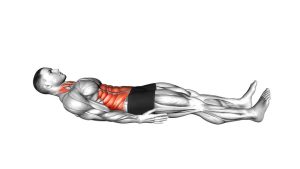
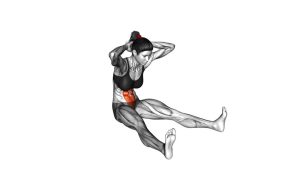
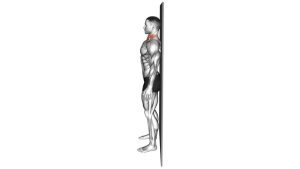
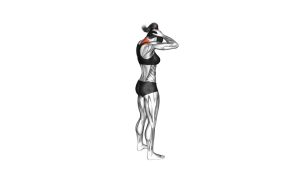
Neck Half Circle Stretch: Safe Form, Sets, Tips & FAQ
Learn the Neck Half Circle (front-arc neck roll) to improve cervical mobility and ease stiffness safely. Step-by-step form, sets by goal, common mistakes, FAQs, and recommended equipment.
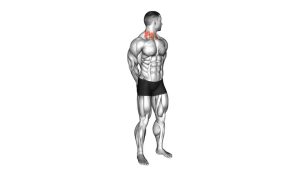
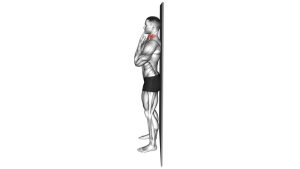
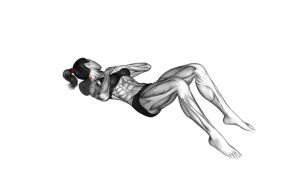
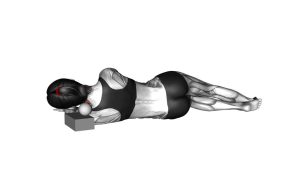
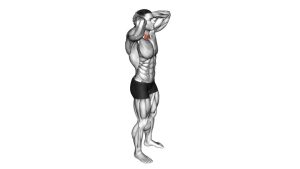
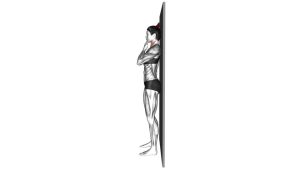
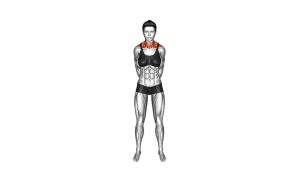
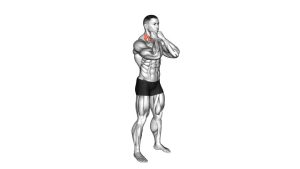
Neck Half Circle (Front Arc)
This movement is best performed with light intensity and quiet control. You should feel a gentle stretch along the sides of the neck and upper shoulder area, plus a mild lengthening through the back of the neck as the chin lowers. Keep your shoulders relaxed—this is a neck mobility drill, not a shrugging exercise.
Quick Overview
| Body Part | Neck |
|---|---|
| Primary Muscle | Neck lateral flexors (SCM + scalene region as a stretch target; varies by position) |
| Secondary Muscle | Upper traps/levator scapulae (often stretched); deep neck stabilizers (control) |
| Equipment | None (optional: chair or wall for posture support) |
| Difficulty | Beginner (mobility-focused, low-impact) |
Sets & Reps (By Goal)
- Desk break / quick reset: 1–2 sets × 3–5 half-circles each direction (slow + easy)
- Warm-up mobility: 2–3 sets × 5–8 half-circles each direction (smooth tempo)
- Flexibility / stiffness reduction: 2–4 sets × 6–10 half-circles each direction (2–3 sec pause at bottom)
- Posture practice: 1–2 sets × 4–6 half-circles, then finish with 5–10 gentle chin tucks
Progression rule: Increase control and smoothness first. If you want more intensity, add a brief pause in the lowest position—never crank the range.
Setup / Starting Position
- Stand or sit tall: Feet hip-width (standing) or sit with hips back and spine long (seated).
- Relax shoulders: Let them drop down and back—no shrugging or bracing.
- Neutral spine: Keep ribs stacked over pelvis; avoid leaning the torso to “cheat” range.
- Jaw relaxed: Teeth not clenched; breathe quietly through the nose if possible.
- Eyes soft: Start facing forward with the head neutral before beginning.
Tip: If you tend to compensate, do it seated or lightly hold a chair edge so the shoulders stay down.
Execution (Step-by-Step)
- Start on one side: Gently tilt your head so your ear moves toward one shoulder (no shoulder lift).
- Move into the front arc: Slowly guide your chin down toward your chest as the head rolls forward.
- Pass through the bottom: Chin stays down—think “lengthen the back of the neck.”
- Finish on the other side: Continue the arc until the opposite ear approaches the opposite shoulder.
- Reverse smoothly: Return the same way in the opposite direction. Keep the tempo slow and controlled.
Pro Tips & Common Mistakes
- Keep it a half-circle (front arc): Avoid rolling the head backward into full circles if that irritates your neck.
- Shoulders stay down: Shrugging turns this into a trap exercise and reduces the stretch quality.
- Move slowly: Fast circles can feel “crunchy” and reduce control.
- Don’t force the bottom: Chin down should be gentle—no yanking into end range.
- Stay centered: No torso leaning or twisting to create fake mobility.
- Pair it smart: Great with chin tucks, wall angels, band pull-aparts, or light upper-back work.
FAQ
Where should I feel the Neck Half Circle stretch?
Most people feel it along the sides of the neck and sometimes into the upper traps/levator near the top of the shoulder. The stretch sensation should be mild to moderate and should not feel like sharp pinching or nerve symptoms.
Is it okay to do full neck circles?
For many people, front-arc half circles feel better than full circles. Rolling the head backward can bother some necks (especially if you’re stiff or sensitive). If you do full circles, keep them slow, small, and pain-free—or stick with the half-circle version shown here.
How often can I do this exercise?
You can often do it daily at a gentle intensity—especially as a desk-break reset. If you feel sore or get headache-like tension afterward, reduce volume and keep the arc smaller.
What if I feel clicking or cracking?
Mild, painless sounds can happen with joint movement. The key is how it feels: if there’s pain, pinching, dizziness, or nerve symptoms, stop and regress. Slower tempo and smaller range usually helps.
Who should be cautious with Neck Half Circles?
Anyone with an acute neck injury, severe pain, dizziness/vertigo, recent concussion, or nerve-like symptoms (tingling/numbness down the arm) should avoid forcing neck mobility and seek professional guidance.
Recommended Equipment (Optional)
- Cervical Contour Pillow — supports neck alignment and relaxation after mobility work
- Cervical Roll / Neck Support Roll — gentle support for seated posture drills or lying relaxation
- Neck & Shoulder Heating Pad — helps ease stiffness before or after mobility sessions
- Trigger Point Massage Ball — useful for gentle upper-trap/levator tightness that limits neck motion
- Posture Corrector Brace (Light Reminder) — optional awareness tool for shoulder rounding (not a replacement for training)
Tip: If any tool increases symptoms, stop using it and reassess. Neck mobility should feel easy, controlled, and repeatable.