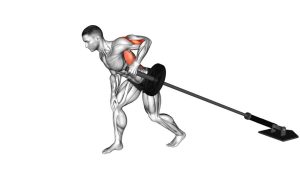
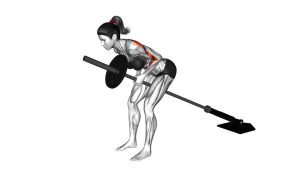
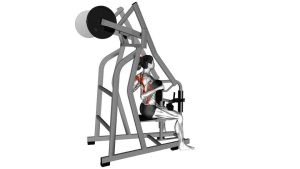
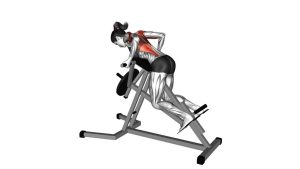
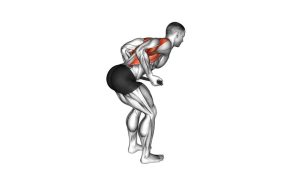
Trap Bar Bent-Over Row: Proper Form, Back Muscles Worked, Sets & Tips
Learn how to do the Trap Bar Bent-Over Row with proper form. Discover muscles worked, setup, execution steps, sets by goal, common mistakes, FAQs, and recommended equipment.
Trap Bar Bent-Over Row
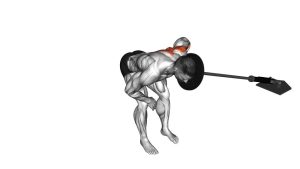
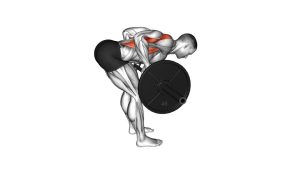
This movement is excellent for lifters who want to train the upper and mid-back hard while using a grip position that often feels more comfortable on the wrists, elbows, and shoulders. Because the trap bar keeps the hands in a neutral position, many athletes find it easier to create a strong pull without excessive strain. The best reps come from a steady torso angle, deliberate elbow drive, and a full squeeze through the back at the top.
Quick Overview
| Body Part | Back |
|---|---|
| Primary Muscle | Latissimus dorsi, rhomboids, middle trapezius |
| Secondary Muscle | Rear deltoids, biceps, forearms, spinal erectors, glutes, hamstrings |
| Equipment | Trap bar (hex bar) and weight plates |
| Difficulty | Intermediate |
Sets & Reps (By Goal)
- Muscle growth: 3–4 sets × 8–12 reps with controlled tempo and a full squeeze at the top
- Strength focus: 4–5 sets × 5–8 reps using a heavier load while maintaining a strict hinge
- Technique practice: 2–3 sets × 8–10 reps with moderate weight and slower eccentric control
- Back accessory work: 3 sets × 10–15 reps after deadlifts, pull-ups, or pulldowns
Progression rule: Add load only when you can hold the bent-over position, keep the bar path smooth, and complete every rep without torso swing or spinal rounding.
Setup / Starting Position
- Load the trap bar: Use a manageable weight that allows strict rowing mechanics and a stable hinge position.
- Stand inside the frame: Place your feet about hip-width apart with even pressure across the whole foot.
- Grip the handles: Reach down and take a neutral grip with your arms fully extended.
- Hinge at the hips: Push your hips back and bend your knees slightly until your torso is inclined forward.
- Brace your core: Keep your chest up, spine neutral, and head in line with your torso.
- Set the shoulders: Let the shoulder blades stay controlled without collapsing into a rounded upper back.
Tip: Think of this as a row performed from a strong deadlift hinge, not a squat and not a sloppy pull from a rounded back.
Execution (Step-by-Step)
- Start from the hinge: Lock in your torso angle and brace before initiating the row.
- Drive the elbows back: Pull the trap bar upward toward your lower chest or upper abdomen.
- Keep the bar path tight: Move the bar smoothly without jerking, bouncing, or shifting your body upward.
- Squeeze at the top: Retract your shoulder blades and pause briefly when the elbows reach behind the torso.
- Lower under control: Extend the arms gradually and return to the start without losing back tension.
- Repeat with consistency: Every rep should match the same hinge angle, tempo, and range of motion.
Pro Tips & Common Mistakes
- Keep a neutral spine: Avoid rounding the lower back or cranking the neck upward.
- Row with the elbows: Focus on driving them back rather than curling the weight with your arms.
- Do not use momentum: A strict rep builds more muscle than a heaved rep with body English.
- Stay hinged: Do not turn the movement into a partial upright row by raising your torso each rep.
- Control the eccentric: Lowering the bar slowly improves tension through the lats, rhomboids, and traps.
- Brace before every rep: A strong core helps protect the lower back and keeps the movement stable.
- Use full range where possible: Let the arms extend fully at the bottom without losing posture.
FAQ
What muscles does the Trap Bar Bent-Over Row work most?
It mainly targets the lats, rhomboids, and middle traps. The rear delts, biceps, forearms, and spinal erectors also assist during the movement.
Is the trap bar row easier on the joints than a straight-bar row?
For many lifters, yes. The neutral grip often feels more natural on the shoulders, wrists, and elbows, especially if straight-bar rows irritate those areas.
How bent over should I be?
Your torso should be angled forward enough to challenge the back properly while still allowing you to keep a neutral spine. Most lifters do best with a strong hip hinge and slight knee bend.
Should I go heavy or focus on strict form?
Strict form should come first. Once you can maintain the hinge position, smooth bar path, and controlled lowering, you can gradually increase the load.
Can beginners use the Trap Bar Bent-Over Row?
Beginners can use it, but only after learning how to brace the core and hinge properly. Starting too heavy usually leads to torso movement and reduced back engagement.
Recommended Equipment
- Trap Bar / Hex Bar — the essential tool for performing this exercise with a neutral grip
- Weight Plates — lets you scale the load progressively for strength or hypertrophy goals
- Weightlifting Belt — useful for advanced lifters who want extra trunk support on heavier sets
- Lifting Straps — helps when grip becomes the limiting factor before the back muscles are fully challenged
- Flat Training Shoes — improves balance and force transfer during the bent-over stance
Tip: Choose tools that improve control and comfort, but remember that better setup and technique matter more than accessories.