Sitting Neck Stretch: Safe Form, Sets, Tips & FAQ
Learn the Sitting Neck Stretch to relieve neck tension and improve mobility. Step-by-step form, sets by goal, common mistakes, FAQs, and recommended equipment.
Sitting Neck Stretch
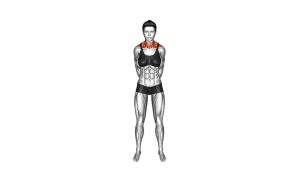
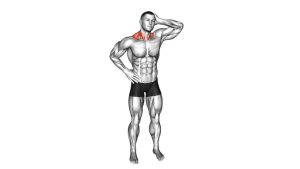
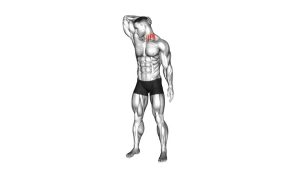
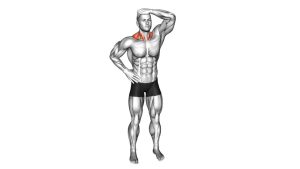
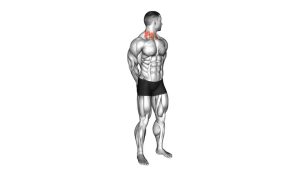
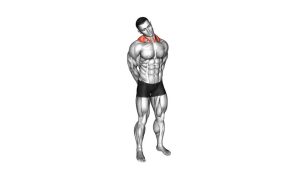
This stretch works best when it feels easy and controlled. You should feel a mild-to-moderate stretch along the side/back of the neck and upper shoulder—not sharp pain, pinching, or nerve-like symptoms. Keep your torso still and let the movement come from a small, relaxed head tilt.
Quick Overview
| Body Part | Neck |
|---|---|
| Primary Muscle | Upper trapezius; Levator scapulae (commonly tight in desk posture) |
| Secondary Muscle | Scalenes (light); Sternocleidomastoid (minimal); deep neck stabilizers (control) |
| Equipment | None (optional: chair with back support, towel, heat pack) |
| Difficulty | Beginner (excellent for daily mobility and tension relief) |
Sets & Reps (By Goal)
- Tension relief (daily): 2–4 rounds per side × 20–40 sec hold (breathe slow, 15–30 sec rest)
- Desk break “reset”: 1–2 rounds per side × 15–25 sec hold (very easy effort)
- Mobility warm-up: 1–3 rounds per side × 15–30 sec hold (no pain, no forcing)
- Post-training cool-down: 2 rounds per side × 25–45 sec hold (calm breathing)
Progression rule: Increase time before intensity. If you want “more,” lengthen the hold or improve posture—do not pull harder on the head.
Setup / Starting Position
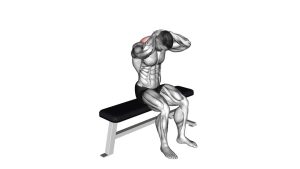
- Sit tall: Feet flat, pelvis neutral, ribs stacked over hips. Avoid slouching.
- Shoulders down: Let them hang heavy—no shrugging.
- Hands relaxed: Rest them on thighs or the chair; keep the torso still.
- Neck long: Imagine the crown of your head gently reaching upward.
- Easy breath: Calm nasal breathing helps the neck muscles release.
Tip: If one shoulder tends to rise, think “shoulder down and away from ear” before you start the stretch.
Execution (Step-by-Step)
- Start neutral: Face forward, chin level (avoid looking down).
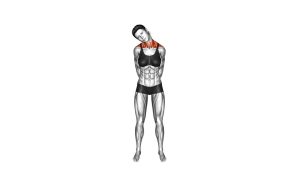
- Tilt gently: Bring one ear toward the same-side shoulder (small side-bend).
- Keep the opposite shoulder heavy: Don’t lift it—this is what makes the stretch effective.
- Find the “sweet spot”: Mild stretch in the side/back of the neck and upper shoulder—no pinching.
- Hold and breathe: 20–40 seconds with slow exhale; keep jaw unclenched.
- Return slowly: Come back to neutral under control, then switch sides.
Pro Tips & Common Mistakes
- Keep the chin level: Don’t turn this into a “look down” neck flexion unless that’s the intended variation.
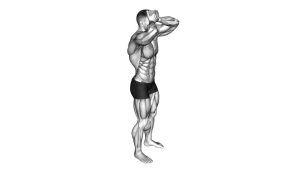
- Don’t pull on your head: Gentle tilt is enough—forcing range can irritate the neck.
- Shoulders stay down: Shrugging removes the stretch from the target tissues.
- Move slow: No bouncing or quick repositioning.
- Use breath: Exhale slowly to help the neck release tension.
- Pair with posture work: Chin tucks, rows, and thoracic mobility can improve long-term comfort.
FAQ
Where should I feel the sitting neck stretch?
Most people feel it along the side/back of the neck and the top of the shoulder (upper traps / levator scapulae). You should not feel sharp pain or tingling down the arm.
How often can I do this stretch?
Many people can do it daily, especially as a desk-break reset. Keep the effort light and the holds comfortable. If stretching increases symptoms, reduce range or take a break and reassess.
Should I pull my head with my hand to stretch deeper?
Usually, no. Light guidance can be okay, but pulling harder increases the risk of irritation. A better approach is longer holds, better posture, and calmer breathing.
What if I feel pinching or nerve-like symptoms?
Stop and return to neutral. Pinching, dizziness, tingling, numbness, or radiating pain can be a sign the position isn’t appropriate right now. If symptoms persist, consult a qualified professional.
Is this good for “tech neck” or desk stiffness?
It can help relieve tightness temporarily, especially when combined with upper-back strengthening and posture habits. For best results, pair it with exercises that improve neck control (like chin tucks) and mid-back strength (rows/face pulls).
Recommended Equipment (Optional)
- Cervical Heat Wrap / Heating Pad — helps relax tight upper traps before gentle stretching
- Massage Ball (Trigger Point Ball) — useful for upper trap/shoulder tension (use lightly against a wall)
- Foam Roller (Thoracic / Upper Back) — improves upper-back mobility to reduce neck overwork
- Posture Corrector Brace (Light Reminder) — awareness tool for slouching (not a replacement for strengthening)
- Seat Cushion / Lumbar Support — helps maintain upright posture during desk work and stretching
Tip: If any tool increases symptoms, stop using it. The neck responds best to gentle inputs and consistency.