Lever Low Row (Plate-Loaded): Proper Form, Sets, Muscles Worked & Tips
Learn how to perform the Lever Low Row (plate-loaded) with proper form for back strength and muscle growth. Includes muscles worked, setup, step-by-step execution, sets and reps by goal, common mistakes, FAQ, and recommended equipment.
Lever Low Row (Plate-Loaded)
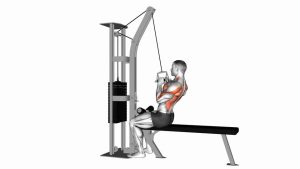
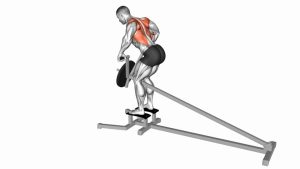
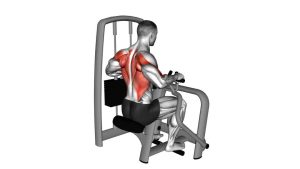
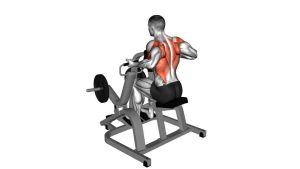
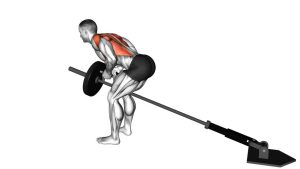
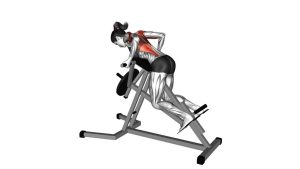
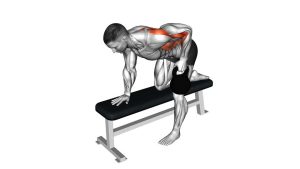
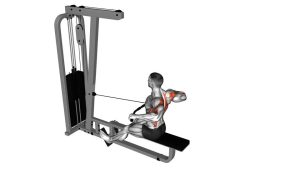
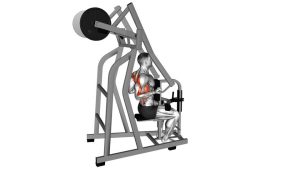
This exercise is excellent for lifters who want a more stable rowing variation without having to support the torso in a bent-over position. The machine’s guided lever path helps you stay strict while still loading the movement heavily. In the video, the rep is performed with a smooth tempo, a full stretch at the front, and a controlled squeeze at the back, which makes it highly effective for both muscle-building and technique development.
Quick Overview
| Body Part | Back |
|---|---|
| Primary Muscle | Latissimus dorsi, rhomboids, middle trapezius |
| Secondary Muscle | Rear deltoids, biceps, brachialis, lower traps |
| Equipment | Plate-loaded low row / chest-supported lever row machine |
| Difficulty | Beginner to Intermediate |
Sets & Reps (By Goal)
- Muscle growth: 3–4 sets × 8–12 reps with controlled form and a full squeeze
- Strength focus: 4–5 sets × 5–8 reps using heavier loads without cheating the machine path
- Technique / mind-muscle connection: 2–3 sets × 10–15 reps with slower tempo and a clear pause at peak contraction
- Back training accessory work: 3–4 sets × 12–15 reps after heavier compound pulling movements
Progression rule: Add weight only when you can keep the chest planted, elbows tracking cleanly, and the eccentric phase controlled from start to finish.
Setup / Starting Position
- Load the machine: Add an appropriate amount of weight plates to each side of the lever arms.
- Adjust your position: Sit down so your chest rests firmly against the support pad and your feet are planted securely on the platform or floor.
- Grip the handles: Take the machine handles with a neutral or machine-specific grip while keeping your wrists straight.
- Set the torso: Lift the chest gently into the pad, brace the core lightly, and keep the spine neutral.
- Begin fully stretched: Start with the arms extended forward and the shoulders allowed to move slightly into protraction without rounding the whole torso.
Tip: Before the first rep, think about pulling your elbows back rather than curling the handles toward you.
Execution (Step-by-Step)
- Lock in the chest: Keep your sternum supported on the pad and avoid lifting away from it as the weight moves.
- Initiate with the back: Start the row by drawing the shoulder blades back and down slightly as the elbows begin traveling behind the body.
- Pull through the elbows: Drive the handles toward your lower chest or upper abdomen, depending on the machine’s path.
- Squeeze at the top: Pause briefly when the elbows move just behind the torso and the shoulder blades come together.
- Lower under control: Return the handles slowly until the arms are fully extended again and the back reaches a loaded stretch.
- Repeat smoothly: Maintain the same controlled tempo for every rep without bouncing the plates or shortening the range.
Pro Tips & Common Mistakes
- Drive elbows, not hands: This helps shift the emphasis into the back instead of turning the movement into an arm-dominant pull.
- Use the stretch: Let the shoulder blades move naturally forward at the bottom to create a fuller range of motion.
- Pause the contraction: A brief squeeze at the back improves upper-back recruitment and keeps reps honest.
- Do not yank the weight: Momentum reduces tension on the target muscles and makes the machine less effective.
- Avoid shrugging: Keep the neck relaxed and don’t let the upper traps take over the pull.
- Stay glued to the chest pad: Leaning back to finish reps defeats one of the biggest benefits of the exercise.
- Keep wrists neutral: Over-flexing the wrists can make the forearms fatigue before the back does.
FAQ
What muscles does the Lever Low Row work the most?
The exercise mainly targets the lats, rhomboids, and middle traps. It also involves the rear delts and elbow flexors such as the biceps and brachialis.
Is this better than a barbell row for beginners?
For many beginners, yes. The chest support and fixed machine path make it easier to learn good rowing mechanics without worrying as much about balance or lower-back fatigue.
Should I pull to the chest or the stomach?
Follow the machine’s natural path. On most lever low row machines, the handles travel toward the lower chest or upper abdomen. What matters most is keeping the elbows moving back cleanly and staying supported.
How heavy should I go?
Use a load that lets you complete the full range of motion with a visible squeeze and a controlled return. If you need to jerk the first rep or lift your chest off the pad, the weight is too heavy.
Can I use this for both strength and hypertrophy?
Absolutely. Lower rep ranges can work well for strength-focused training, while moderate to higher reps are excellent for hypertrophy and improving your back mind-muscle connection.
Recommended Equipment
- Weightlifting Straps — useful when grip fatigue limits your back work on heavy rowing sets
- Weightlifting Gloves — can improve handle comfort and reduce hand irritation during higher-volume rowing sessions
- Olympic Weight Plates — essential for loading most plate-loaded row machines progressively
- Liquid Chalk — helps maintain a secure grip on machine handles without excessive slipping
- Foam Roller — useful for upper-back mobility and recovery work around hard pulling sessions
Tip: For most lifters, straps and a solid set of plates are the most practical upgrades for improving plate-loaded rowing performance.