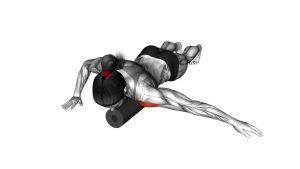
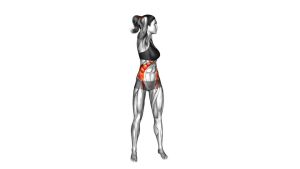
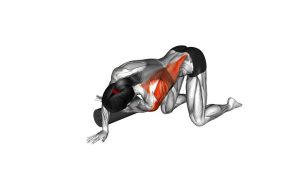
Kneeling Back Rotation Stretch: Form, Benefits, Sets, Tips & FAQ
Learn how to do the Kneeling Back Rotation Stretch with proper form. Improve thoracic mobility, upper-back rotation, posture, and movement control with step-by-step instructions, tips, FAQs, and recommended equipment.
Kneeling Back Rotation Stretch
This drill works best when the movement stays smooth and deliberate. You should feel the stretch and motion mostly through the mid-back, with some opening through the chest and shoulders. The goal is not to crank the body into a huge twist, but to improve usable rotational range while keeping the hips steady and the spine long.
Quick Overview
| Body Part | Back |
|---|---|
| Primary Muscle | Thoracic spinal rotators / upper-back musculature |
| Secondary Muscle | Obliques, rear delts, rhomboids, serratus anterior, shoulder stabilizers |
| Equipment | None |
| Difficulty | Beginner (great for mobility sessions, warm-ups, and posture-focused training) |
Sets & Reps (By Goal)
- Daily mobility: 2–3 sets × 6–10 reps per side with slow, controlled rotation
- Warm-up before upper-body training: 1–2 sets × 5–8 reps per side
- Posture and movement quality: 2–3 sets × 8–12 reps per side
- Recovery / stiffness relief: 1–3 sets × 5–8 gentle reps per side with brief pauses at the top
Progression rule: First improve control, breathing, and rotation quality. Then add a brief pause at the top or increase total reps slightly. Do not force extra range by twisting through the lower back.
Setup / Starting Position
- Start on all fours: Place your hands under your shoulders and your knees under your hips.
- Find a neutral spine: Keep your back flat, ribs controlled, and neck relaxed.
- Brace lightly: Engage your core just enough to keep the trunk stable without becoming rigid.
- Spread the support hand into the floor: Use the planted arm to create a stable base.
- Keep the hips square: Avoid shifting backward or opening the pelvis as you rotate.
Tip: Place a folded mat or pad under the knees if kneeling on a hard surface feels uncomfortable.
Execution (Step-by-Step)
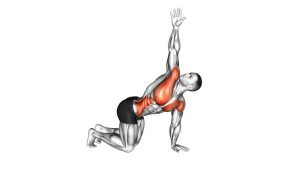
- Set your base: Hold the all-fours position with a long spine and steady hips.
- Lift one arm: Take one hand off the floor and begin rotating that side of the chest open.
- Reach upward: Extend the moving arm toward the ceiling as the upper back rotates.
- Follow the hand with your eyes: Let the head and gaze move naturally with the rotation.
- Pause briefly: Hold the top position for 1–2 seconds without collapsing the support shoulder.
- Return with control: Lower the arm back down and come to the starting position smoothly.
- Repeat evenly: Perform all reps on one side or alternate sides in a controlled rhythm.
Pro Tips & Common Mistakes
- Rotate through the mid-back: Keep the lumbar spine quiet and avoid exaggerated arching.
- Keep the support shoulder active: Push the floor away lightly so the planted arm stays strong.
- Move slowly: A controlled rep improves mobility better than a fast swing.
- Don’t force end range: Reach only as far as you can while keeping the movement smooth.
- Keep hips mostly still: Too much pelvic rotation takes work away from the upper back.
- Breathe through the stretch: Exhale gently as you rotate to help open the rib cage.
- Avoid neck strain: Let the gaze follow the hand naturally without cranking the head backward.
FAQ
Where should I feel the kneeling back rotation stretch?
Most people feel it in the mid-back, upper back, chest, and rear shoulder area. You may also notice light core engagement from staying stable during the rotation.
Is this a stretch or a mobility exercise?
It is primarily a mobility exercise. It improves active rotation and movement control while also creating a stretch through tight upper-body tissues.
How often can I do this exercise?
Many people can perform it several times per week, and light versions often work well in daily warm-ups or recovery sessions.
Should my hips move during the rotation?
A small amount of natural movement is normal, but the hips should stay relatively steady so the thoracic spine does most of the work.
Can beginners use this in a warm-up?
Yes. It is an excellent beginner-friendly drill before upper-body workouts, posture sessions, or general mobility routines because it prepares the back and shoulders for more complex movement.
Recommended Equipment (Optional)
- Exercise Yoga Mat — adds comfort for hands and knees during floor-based mobility work
- Yoga Knee Pad — useful if kneeling on hard surfaces causes pressure on the knees
- Foam Roller — helpful before or after this drill for upper-back soft-tissue work
- Resistance Bands Set — pairs well with posture and upper-back activation exercises
- Mobility Stick / Stretching Stick — useful for additional thoracic, shoulder, and posture-focused mobility drills
Tip: Optional tools should make the movement more comfortable or help your overall mobility routine. They should never replace slow, controlled technique.