Spine Stretch: Proper Form, Sets, Benefits, Tips & FAQ
Learn how to perform the Spine Stretch with proper form to improve spinal mobility, posture, and hamstring flexibility. Includes setup, execution, sets by goal, common mistakes, FAQs, and recommended equipment.
Spine Stretch
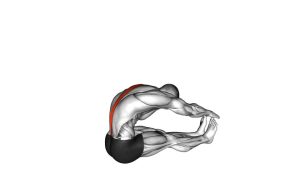
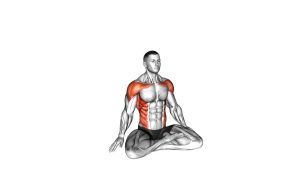
This exercise works best when it is performed with precision, control, and steady breathing. The video shows a clean version of the movement: the exerciser sits tall, reaches the arms forward at shoulder height, slightly tucks the chin, and then rounds the spine forward one section at a time. The back forms a smooth “C” shape while the shoulders stay relaxed and the movement remains calm and deliberate. You should feel a gentle stretch through the back, hamstrings, and posterior chain, along with light abdominal engagement that helps guide the motion.
Quick Overview
| Body Part | Back |
|---|---|
| Primary Muscle | Erector spinae and deep core stabilizers working through controlled spinal flexion |
| Secondary Muscle | Hamstrings, abdominals, hip flexors, and upper-back stabilizers |
| Equipment | None |
| Difficulty | Beginner |
Sets & Reps (By Goal)
- Mobility warm-up: 2–3 sets × 6–10 slow reps
- Posture and spinal control: 2–4 sets × 8–12 reps with a brief pause in the stretched position
- Flexibility focus: 2–3 sets × 5–8 reps with 3–5 second holds
- Cool-down / recovery: 1–2 sets × 5–8 easy, relaxed reps
Progression rule: Increase control and pause quality before increasing volume. Better movement quality matters more than reaching farther forward.
Setup / Starting Position
- Sit tall on the floor: Extend your legs straight in front of you. Keep them about hip-width to slightly wider if needed for comfort.
- Flex the feet: Point the toes upward so the legs stay active and grounded.
- Reach the arms forward: Lift the arms to about shoulder height, parallel to the floor.
- Lengthen the spine: Sit upright through the crown of the head with the chest open and shoulders relaxed.
- Brace lightly: Engage the core just enough to support smooth spinal movement without stiffness.
Tip: If your hamstrings are very tight and your lower back rounds immediately in the start position, sit on a folded mat or yoga block to improve alignment.
Execution (Step-by-Step)
- Start tall: Sit upright with the arms extended forward and the shoulders relaxed.
- Tuck the chin slightly: Begin the movement by gently drawing the chin inward rather than dropping the head aggressively.
- Round the upper spine first: Reach forward through the arms as the upper back begins to curl.
- Continue segment by segment: Let the mid-back and then lower spine follow into a smooth rounded “C” shape.
- Reach without forcing: Move forward only as far as you can while keeping the motion controlled and even.
- Pause briefly: Hold the end position for a second or two while maintaining length through the back.
- Return with control: Slowly stack the spine back up from the lower back through the mid-back and upper back until you are tall again.
Pro Tips & Common Mistakes
- Move one segment at a time: The best reps come from controlled spinal articulation, not from dropping forward quickly.
- Keep the shoulders soft: Avoid shrugging as you reach the arms ahead.
- Do not yank toward the feet: This is a spinal mobility drill, not a forced toe-touch stretch.
- Use the abs to guide the motion: Light core engagement helps the spine round smoothly and safely.
- Stay within a clean range: Stop where you can still control the curve of the spine.
- Avoid collapsing at the bottom: Reach long through the back rather than dumping into the lower spine.
- Return slowly: Coming back up with control is just as important as the forward phase.
FAQ
What should I feel during the Spine Stretch?
You should feel a gentle stretch through the back of the body, especially the upper and lower back, hamstrings, and calves depending on your mobility. You may also feel light abdominal engagement guiding the movement.
Is the Spine Stretch supposed to be painful in the lower back?
No. Mild stretching sensation is normal, but sharp or pinching pain is not. Reduce range, sit on a support, or shorten the movement if the lower back feels strained.
Should I keep my legs completely straight?
Ideally yes, but a small bend in the knees is acceptable if your hamstrings are tight and it helps you maintain better spinal control.
Is this exercise good for posture?
Yes. It can improve posture awareness by teaching you how to move the spine with more control and helping you balance stiffness through the back body.
Can beginners use the Spine Stretch in a warm-up?
Absolutely. It works well in a gentle warm-up, mobility routine, Pilates session, or cool-down as long as the movement stays controlled and pain-free.
Recommended Equipment (Optional)
- Exercise Yoga Mat — adds comfort and stability for seated floor mobility work
- Yoga Block — useful for elevating the hips if hamstring tightness limits your seated posture
- Stretching Strap — helps support flexibility work for the hamstrings and posterior chain
- Pilates Ring — a useful accessory for broader Pilates-based mobility and posture sessions
- Foam Roller — helpful for recovery and improving tissue quality around the back and legs
Tip: Support tools should make the movement cleaner and more comfortable, not more aggressive. Prioritize smooth spinal motion over extra range.