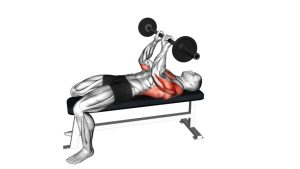
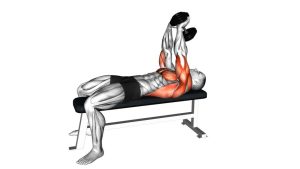
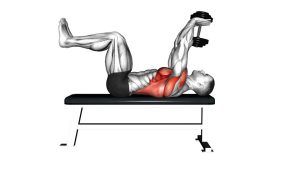
Dumbbell Pullover on Floor: Back-Focused Form, Sets, Tips & FAQ
Learn how to perform the Dumbbell Pullover on Floor with a back-focused technique. Discover proper form, muscles worked, sets by goal, common mistakes, FAQs, and recommended equipment.
Dumbbell Pullover on Floor
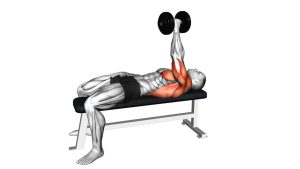
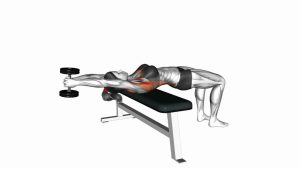
This variation is useful for lifters who want a safer and more controlled way to train the pullover pattern without using a bench. The floor helps reduce overextension and encourages better rib and core control. When performed correctly, you should feel a strong stretch through the lats in the bottom position and a smooth contraction as the weight travels back above the chest. The goal is not to rush the rep, but to stay stable and make every inch of the movement deliberate.
Quick Overview
| Body Part | Back |
|---|---|
| Primary Muscle | Latissimus dorsi (lats) |
| Secondary Muscle | Pectoralis major, serratus anterior, teres major, long head of triceps |
| Equipment | Single dumbbell, exercise mat or clear floor space |
| Difficulty | Beginner to Intermediate |
Sets & Reps (By Goal)
- Muscle growth: 3-4 sets × 8-12 reps with controlled lowering and 60-90 seconds rest
- Technique practice: 2-3 sets × 10-15 reps using a light dumbbell and slow tempo
- Upper-body accessory work: 2-4 sets × 8-12 reps after rows, pull-ups, or pulldowns
- Home workout back focus: 3 sets × 12-15 reps with clean form and no momentum
Progression rule: Add reps first, then increase load gradually. Only go heavier when you can keep your ribs down, elbows steady, and the dumbbell path smooth from start to finish.
Setup / Starting Position
- Lie on the floor: Bend your knees and place your feet flat for a stable base.
- Hold one dumbbell securely: Grip the inner side of the dumbbell handle or hold one end with both hands, depending on the dumbbell shape.
- Position the weight above the chest: Start with the dumbbell centered over your upper chest or sternum.
- Set a soft elbow bend: Keep the elbows slightly bent and maintain that angle throughout the rep.
- Brace your torso: Keep the ribs down, core engaged, and lower back neutral against the floor.
- Pack the shoulders: Let the shoulders stay stable and avoid shrugging toward the ears.
Tip: A lighter dumbbell makes it easier to feel the lats and learn the correct arc without turning the movement into a chest press or shoulder mobility drill.
Execution (Step-by-Step)
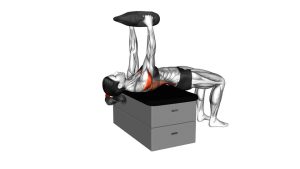
- Start over the chest: Hold the dumbbell above your chest with straight wrists and a small bend in the elbows.
- Lower in an arc: Slowly move the dumbbell backward over your head in a smooth semicircle.
- Keep the elbows fixed: Do not let the elbows flare excessively or bend more as the dumbbell travels down.
- Feel the stretch: Lower until you feel a controlled stretch through the lats and upper torso without losing rib position.
- Pull back with the lats: Reverse the motion by driving the arms back over the chest while keeping the torso quiet.
- Finish under control: Stop above the chest, reset your breathing, and repeat without bouncing.
Pro Tips & Common Mistakes
- Think “elbows travel, torso stays still”: The upper body should move the weight, not the lower back.
- Use a controlled eccentric: A slow lowering phase improves lat tension and makes the exercise safer.
- Do not over-bend the elbows: Too much elbow flexion shifts the movement away from a true pullover.
- Keep the ribs from flaring: Excessive arching often means the dumbbell is too heavy or range is too deep.
- Avoid forcing range: The floor version is meant to control the movement, not chase the deepest possible stretch.
- Keep neck tension low: Relax the jaw and neck instead of pressing the head into the floor.
- Match the weight to the goal: Moderate load with strict technique usually works better than going heavy and losing the line of pull.
FAQ
Is the dumbbell pullover on floor good for back training?
Yes. When you keep the elbows fairly fixed and focus on pulling through the shoulder joint, the exercise can target the lats effectively. It also adds useful stretch-based tension for the upper body.
Does this exercise work the chest too?
Yes. The chest contributes, especially depending on arm path and individual mechanics. Even so, a back-focused setup usually helps bias the lats more strongly.
Why do this on the floor instead of a bench?
The floor reduces excessive range of motion, gives more support, and can make the exercise feel more controlled. It is a practical option for home workouts and for lifters who want a more stable pullover variation.
How heavy should I go?
Start lighter than you think you need. The best results come from a load you can control without rib flare, shoulder discomfort, or bending the elbows too much.
Where should I feel it most?
You should mainly feel the movement through the lats and the sides of the upper torso, along with some assistance from the chest and triceps. You should not feel sharp pain in the shoulders.
Recommended Equipment (Optional)
- Adjustable Dumbbell — versatile option for progressing load without needing multiple fixed dumbbells
- Hex Dumbbell — stable and beginner-friendly for floor-based pulling and pressing exercises
- Exercise Mat — adds comfort and traction when performing floor exercises
- Wrist Wraps — helpful if grip or wrist position becomes uncomfortable with heavier dumbbells
- Foam Roller — useful for upper-back mobility and warm-up work before pullovers or rows
Tip: For this exercise, comfort and control matter more than having lots of equipment. A good dumbbell and enough floor space are usually all you need.