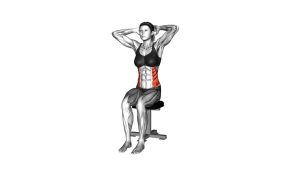
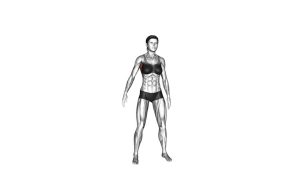
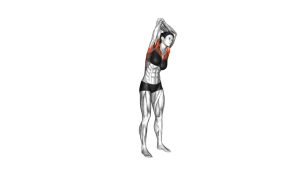
Standing Lateral Stretch: Proper Form, Benefits, Sets & FAQ
Learn how to perform the Standing Lateral Stretch with proper form to improve side-body mobility, loosen the lats and obliques, and reduce upper-body tightness. Includes setup, execution, tips, FAQs, and recommended equipment.
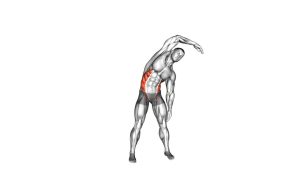
Standing Lateral Stretch
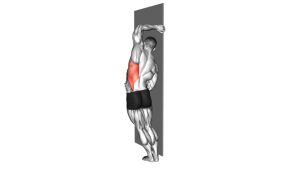
This exercise is ideal for improving overhead mobility, reducing side-body tightness, and restoring better movement quality before or after training. It works especially well as part of a warm-up, cooldown, or daily mobility routine. The stretch should feel long and comfortable along the side of the torso rather than forced into the lower back or shoulders.
Quick Overview
| Body Part | Back |
|---|---|
| Primary Muscle | Latissimus dorsi and obliques |
| Secondary Muscle | Quadratus lumborum, intercostals, serratus anterior, and shoulders |
| Equipment | None |
| Difficulty | Beginner |
Sets & Reps (By Goal)
- Warm-up mobility: 1–2 sets × 6–10 reps per side with a brief 1–2 second pause
- Flexibility work: 2–4 sets × 20–30 second holds per side
- Post-workout cooldown: 1–3 sets × 15–25 second holds per side
- Daily movement break: 1–2 easy sets × 5–8 reps per side, slow and relaxed
Progression rule: First improve control, breathing, and symmetry from side to side. Then increase hold time or total reps rather than pushing into a deeper bend too quickly.
Setup / Starting Position
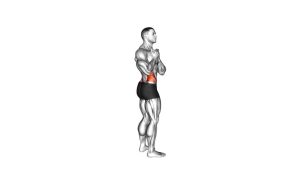
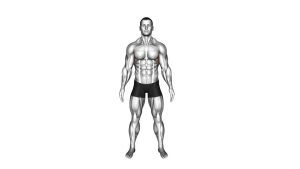
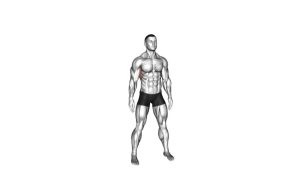
- Stand tall: Place your feet about hip-width apart and distribute your weight evenly across both feet.
- Brace lightly: Keep the ribs stacked over the hips and maintain a tall, neutral posture.
- Raise the arms: Bring both arms overhead. You can keep them straight or lightly clasp one hand around the opposite wrist.
- Relax the shoulders: Reach upward without shrugging excessively into the neck.
- Keep the hips quiet: The lower body should stay stable while the upper body creates the stretch.
Tip: Think of getting taller before you bend sideways. Extra upward reach usually makes the stretch feel cleaner and more effective.
Execution (Step-by-Step)
- Lengthen upward first: Reach through the fingertips and create space from the hips to the hands.
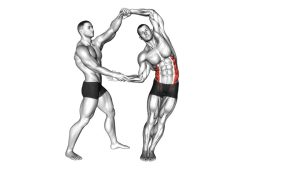
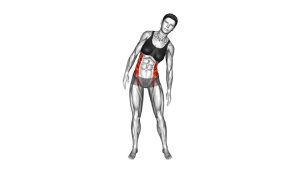
- Bend gently to one side: Lean the torso sideways in one smooth arc while keeping the chest open and the body facing forward.
- Feel the side-body stretch: You should notice tension along the lats, obliques, and ribs on the side being lengthened.
- Pause briefly: Hold the end position for a short moment while breathing steadily.
- Return to center slowly: Come back under control, reset tall posture, and repeat on the other side.
Pro Tips & Common Mistakes
- Reach up before bending: Vertical length makes the stretch more effective and reduces compression.
- Keep the torso square: Avoid rotating the chest open or folding forward.
- Don’t rush: Slow, controlled reps work better than fast side-to-side swaying.
- Stabilize the hips: Excessive hip shift takes tension away from the side body.
- Relax the neck and shoulders: Don’t turn the stretch into an upper-trap shrug.
- Breathe into the ribs: Deep breathing can help expand the stretch through the intercostals and upper torso.
FAQ
Where should I feel the Standing Lateral Stretch?
Most people feel it along the side of the torso, especially through the lats, obliques, and ribs. Depending on your mobility, you may also notice a gentle stretch near the shoulder or lower side of the back.
Should this exercise be dynamic or held?
It can be used both ways. Dynamic reps are useful during warm-ups, while longer holds are better for cooldowns and flexibility sessions.
Can beginners do this stretch safely?
Yes. It is beginner-friendly as long as you move slowly, stay balanced, and avoid forcing range of motion. Keep the bend modest at first and focus on alignment.
Is this a good stretch before upper-body training?
Yes. It can help prepare the lats, shoulders, and trunk for overhead work, pulling exercises, and general movement. For warm-ups, use shorter holds or smooth controlled reps rather than long passive stretching.
What is the most common mistake?
The most common mistake is turning the movement into a twist or leaning forward instead of creating a clean side bend. Another frequent issue is shrugging the shoulders and losing the long line through the torso.
Recommended Equipment (Optional)
- Exercise Yoga Mat — useful for mobility sessions, warm-ups, and floor-based stretching routines
- Yoga Stretch Strap — helps with assisted flexibility work and broader mobility drills
- Foam Roller — useful for loosening the lats, upper back, and surrounding tissues before stretching
- Resistance Bands Set — great for pairing mobility work with activation drills for the shoulders and back
- Yoga Blocks — helpful for structured mobility routines and stretch progressions
Tip: This stretch does not require equipment, but simple mobility tools can make your full warm-up or recovery session more effective.