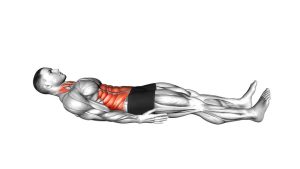
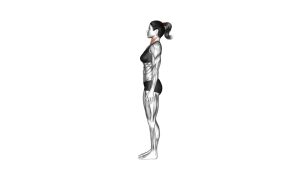
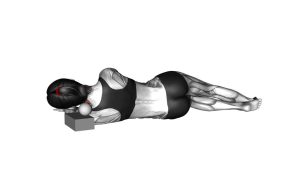
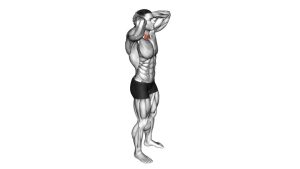
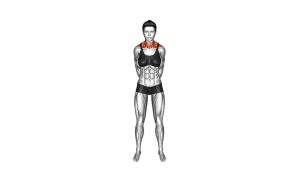
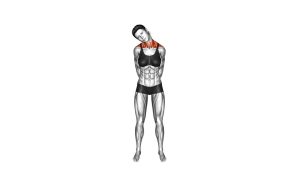
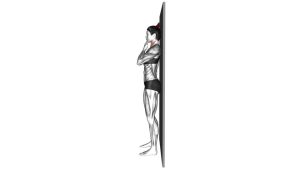
5 Sec Fist Against Chin: Isometric Neck Flexion for Neck Strength & Posture
Learn the 5 Sec Fist Against Chin isometric neck flexion exercise to strengthen deep neck flexors, improve posture, and build neck stability. Includes form tips and safety guidance.
5 Sec Fist Against Chin (Isometric Neck Flexion)
This exercise is all about quality over intensity. You’re building neck stability with a controlled “hold,” not trying to force range of motion. Done correctly, you’ll feel a gentle effort in the front of the neck while keeping the jaw relaxed and the shoulders down.
Quick Overview
| Body Part | Neck |
|---|---|
| Primary Muscle | Deep neck flexors (Longus colli / Longus capitis) |
| Secondary Muscle | Anterior neck stabilizers; upper cervical stabilizers (light). SCM should stay minimal. |
| Equipment | None (optional: wall for posture feedback) |
| Difficulty | Beginner (excellent for posture practice and rehab-style strengthening) |
Sets & Reps (By Goal)
- Posture practice (daily): 2–3 sets × 5–8 holds of 5 seconds (30–45 sec rest)
- Neck stability (warm-up): 2–4 sets × 6–10 holds of 5 seconds (30–60 sec rest)
- Rehab-style control: 2–3 sets × 4–6 holds of 5–8 seconds (45–75 sec rest)
- Desk break “reset”: 1–2 sets × 3–5 holds of 5 seconds (easy effort)
Progression rule: First add 1–2 total holds or extend the hold to 6–8 seconds. Only increase pressure once you can keep the jaw relaxed, neck long, and shoulders down.
Setup / Starting Position
- Get tall: Sit or stand upright with ribs stacked over hips and shoulders relaxed.
- Find neutral: Face level, chin neither lifted nor tucked hard. Think “neck long.”
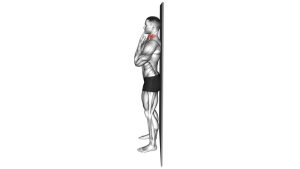
- Make a fist: Place the flat knuckles/side of your fist under the chin (centered).
- Set the jaw: Lips closed, teeth not clenched. Tongue relaxed.
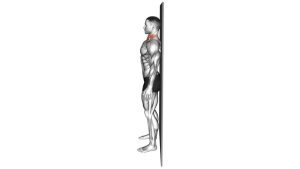
- Optional feedback: Stand near a wall to prevent forward head drift.
Tip: If you’re new, start with very light pressure. You should be able to breathe normally during the entire 5-second hold.
Execution (Step-by-Step)
- Brace lightly: Keep posture tall; shoulders stay down and back without shrugging.
- Apply gentle pressure: Press your chin downward into your fist.
- Match resistance: Push up with the fist just enough so the head doesn’t move (isometric).
- Hold for 5 seconds: Breathe slowly—no breath holding or jaw clenching.
- Release smoothly: Relax the pressure and return to neutral for 10–20 seconds before the next hold.
Pro Tips & Common Mistakes
Pro Tips
- Stay neutral: Keep the face level and the neck long—avoid “curling” the neck.
- Use a calm breath: Slow nasal breathing keeps neck tension lower.
- Moderate effort wins: Aim for ~5–7/10 effort; smooth and steady is the goal.
- Keep shoulders quiet: No trap takeover—think “shoulders heavy.”
- Pair it with posture work: Rows, face pulls, and thoracic mobility complement neck control.
Common Mistakes
- Pressing too hard: Excess force often triggers jaw/SCM compensation and headaches.
- Letting the head move: This is an isometric hold—match the hand resistance so movement stays minimal.
- Chin jutting forward: Keep the head stacked; don’t reach the face forward as you press.
- Holding your breath: Breath-holding spikes tension—keep it relaxed and steady.
FAQ
Where should I feel the 5-sec fist against chin exercise?
Mostly in the front of the neck as a controlled “on” feeling. If the jaw or big side-neck muscles dominate, reduce pressure and focus on staying tall with relaxed shoulders.
Is this the same as a chin tuck?
Not exactly. A chin tuck is usually a chin glide (backward) to target deep flexors and posture control. This drill is isometric neck flexion against resistance. Both can be useful; keep each one light and precise.
How often can I do it?
Many people can do it 3–6 days per week with light-to-moderate effort. For posture practice, low-volume daily sets can work well. If you notice headaches or lingering soreness, reduce volume and intensity.
What if I feel it in my jaw or get a headache?
That usually means you’re using too much pressure or bracing incorrectly. Use less force, keep the tongue and jaw relaxed, and avoid breath holding. If symptoms persist, stop and consider professional guidance.
Who should be cautious with this exercise?
Anyone with an acute neck injury, severe pain, dizziness, or nerve-like symptoms (tingling/numbness down the arm) should avoid forcing neck work. When in doubt, get guidance from a qualified clinician.
Recommended Equipment (Optional)
- Cervical Contour Pillow — supports neutral alignment for sleep or supine neck drills
- Cervical Roll / Neck Support Roll — gentle support to keep the neck neutral during posture practice
- Foam Roller (Thoracic Extension) — helps open the upper back so the neck doesn’t overwork for posture
- Resistance Bands Set — great for rows, pull-aparts, and upper-back strengthening
- Posture Corrector (Light Reminder) — optional awareness tool (not a replacement for training)
Tip: Tools should make the movement easier and cleaner. If anything increases symptoms, stop using it and reassess.