Sliding Leg Bird Dog: Proper Form, Sets, Tips & FAQ
Learn how to do the Sliding Leg Bird Dog with proper form to build core stability, glute control, and lower-back support. Includes setup, step-by-step execution, sets by goal, common mistakes, FAQs, and recommended equipment.
Sliding Leg Bird Dog
This exercise is highly effective for building lumbopelvic stability and reinforcing clean movement patterns. It works well as part of a warm-up, beginner core routine, or back-friendly strength session. You should feel the working leg’s glute, the trunk muscles bracing to resist rotation, and light support from the lower back stabilizers. The movement should stay slow and controlled rather than fast or exaggerated.
Quick Overview
| Body Part | Back |
|---|---|
| Primary Muscle | Core stabilizers and glutes |
| Secondary Muscle | Erector spinae, hamstrings, shoulders, obliques |
| Equipment | Bodyweight, exercise mat, towel or slider (optional) |
| Difficulty | Beginner |
Sets & Reps (By Goal)
- Warm-up / movement prep: 2–3 sets × 6–8 reps per side with slow control
- Core stability training: 3–4 sets × 8–12 reps per side with a brief pause at full reach
- Back-friendly activation: 2–3 sets × 8–10 reps per side using a small, precise range
- Rehab-style coordination work: 2–3 sets × 5–8 reps per side with very strict tempo
Progression rule: First improve control, range, and tempo. Then add a pause at the extended position or progress toward a full bird dog variation when you can keep the pelvis and spine steady.
Setup / Starting Position
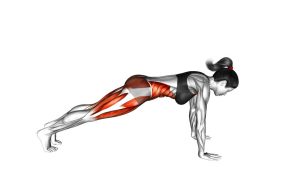
- Get into quadruped: Place your hands directly under your shoulders and your knees under your hips.
- Set a neutral spine: Keep your back flat, ribs gently tucked, and head aligned with the rest of the spine.
- Brace the core: Tighten your midsection lightly as if preparing to resist someone pushing your torso.
- Square the hips: Keep both hip bones facing the floor and avoid shifting weight too far side to side.
- Place one foot for the slide: Lightly extend one leg so the toes or top of the foot can glide backward across the floor.
Tip: A towel, sock, or furniture slider under the moving foot can make the backward glide smoother on many surfaces.
Execution (Step-by-Step)
- Lock in your torso: Before moving, keep your core engaged and shoulders stable without shrugging.
- Slide one leg backward: Extend the leg slowly behind you while keeping the foot in contact with the floor.
- Reach long, not high: Focus on lengthening through the leg rather than lifting it high or arching the lower back.
- Pause briefly: At the end position, squeeze the glute and maintain level hips for 1–2 seconds.
- Return with control: Bring the leg back to the starting position slowly, resisting any rocking or twisting.
- Repeat on both sides: Complete all reps evenly and maintain the same tempo from side to side.
Pro Tips & Common Mistakes
- Keep the ribs down: This helps prevent excessive lower-back extension during the leg slide.
- Move slowly: A deliberate tempo improves muscular control and makes the exercise more effective.
- Don’t open the hips: Keep both sides of the pelvis facing the floor throughout the rep.
- Reach back through the heel or toes: Think about length rather than height.
- Avoid rushing the return: The inward phase matters just as much as the slide out.
- Don’t collapse through the shoulders: Press the floor away gently to keep the upper body organized.
- Start with a small range: Clean reps with a shorter slide are better than long reps with poor control.
FAQ
What muscles does the Sliding Leg Bird Dog work?
It primarily trains the core stabilizers and glutes, while the lower back, shoulders, hamstrings, and obliques assist to keep the body stable.
Is this easier than a regular bird dog?
Yes. Because the moving foot stays in contact with the floor, the sliding version usually feels more stable and is often easier for beginners to control than a full bird dog with the leg lifted.
Should I lift the leg high at the end?
No. The goal is to reach long while keeping the back neutral and the hips level. Lifting too high often causes the lower back to arch and reduces the quality of the drill.
Can I use this exercise for lower-back-friendly core training?
Yes, many people use it as a back-friendly stability drill because it teaches core bracing and hip control without heavy spinal loading. Keep the range small and smooth if you are sensitive.
How can I make the exercise harder?
You can add a longer pause at full extension, slow the tempo further, use sliders for smoother tension, or progress to a full bird dog once you can keep excellent alignment.
Recommended Equipment (Optional)
- Exercise Mat — adds comfort under the hands and knees during quadruped work
- Core Sliders — help create a smoother backward leg slide on hard floors or carpet
- Resistance Bands Set — useful for pairing with glute activation and core warm-up exercises
- Yoga Knee Pad — provides extra cushioning if kneeling pressure is uncomfortable
- Foam Roller — helpful before or after training to loosen surrounding muscles and improve mobility work
Tip: Keep the setup simple. A mat and a smooth sliding surface are often enough to get great results from this exercise.