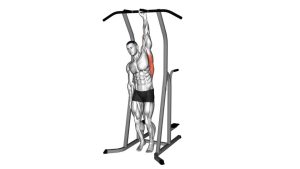
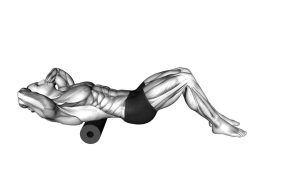
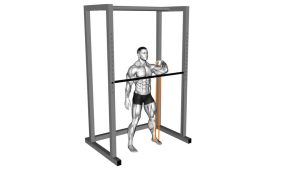
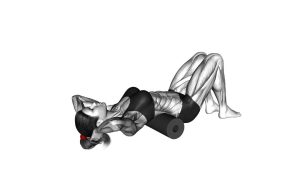
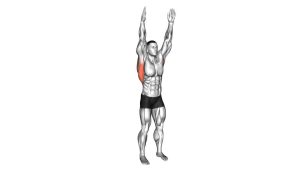
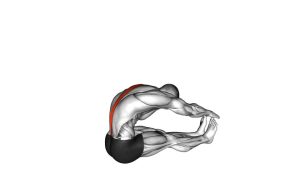
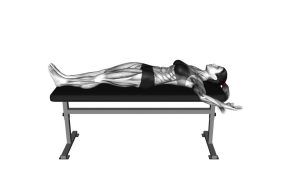
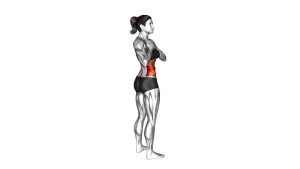
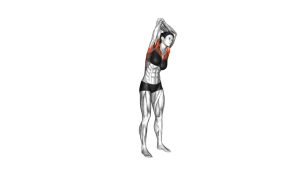
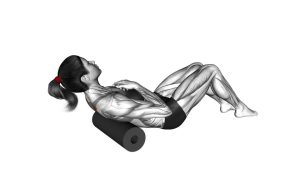
PVC Front Rack Stretch: Form, Mobility Benefits, Sets, Tips & FAQ
Learn how to perform the PVC Front Rack Stretch to improve upper-back mobility, shoulder external rotation, and front rack positioning. Includes setup, step-by-step form, sets by goal, common mistakes, FAQs, and recommended equipment.
PVC Front Rack Stretch
This drill works best as a mobility-focused exercise, not a strength movement. The motion should feel smooth, deliberate, and comfortable through the shoulder and upper back. You may feel a light stretch across the rear shoulder, upper back, or around the front rack position, but you should not feel pinching, sharp pain, or forced joint pressure. Keep the range controlled and let the PVC pipe guide the motion rather than yanking deeper into the stretch.
Quick Overview
| Body Part | Upper Back |
|---|---|
| Primary Muscle | Upper back / thoracic spinal stabilizers |
| Secondary Muscle | Rear deltoids, rhomboids, rotator cuff, mid traps |
| Equipment | PVC pipe, dowel, broomstick, or mobility stick |
| Difficulty | Beginner (mobility and movement-prep focused) |
Sets & Reps (By Goal)
- Warm-up before lifting: 2–3 sets × 6–10 reps per side with slow, smooth movement
- Front rack mobility practice: 2–4 sets × 8–12 reps per side with brief end-range pauses
- General shoulder and upper-back mobility: 2–3 sets × 10–15 reps per side at easy effort
- Technique restoration / movement prep: 1–2 sets × 5–8 quality reps before cleans, front squats, or presses
Progression rule: Improve control, smoother range, and better posture before increasing volume. A slightly larger pain-free range is more valuable than doing more rushed reps.
Setup / Starting Position
- Stand tall: Place your feet about hip- to shoulder-width apart and keep your chest lifted without over-arching the lower back.
- Grip the PVC pipe: Hold the stick with one hand, keeping the working arm positioned in front of the body around shoulder height.
- Set the shoulders: Keep the shoulders down and relaxed rather than shrugged up toward the ears.
- Brace lightly: Engage the core just enough to avoid twisting or leaning excessively during the stretch.
- Start in control: Begin with a comfortable range and neutral wrist position so the stick can guide a clean path.
Tip: Use a lighter grip and slower tempo if you are stiff through the shoulders or upper back.
Execution (Step-by-Step)
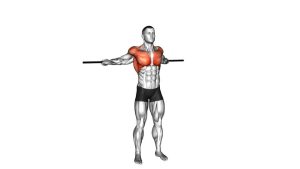
- Begin from the front: Hold the PVC pipe in front of the body with the working arm extended and posture upright.
- Guide the arm outward: Move the stick in a controlled arc as the shoulder rotates outward and the upper back begins to open.
- Let the chest open naturally: Allow a small amount of thoracic rotation if needed, but avoid excessive twisting through the torso.
- Reach the end position gently: Pause briefly when you feel a stretch through the upper back, shoulder, or front rack line of motion.
- Return under control: Reverse the path slowly and bring the stick back to the starting position without swinging or jerking.
- Repeat evenly: Perform all reps with the same calm tempo, then switch sides if the exercise is done one arm at a time.
Pro Tips & Common Mistakes
- Move slowly: This drill is about mobility control, not speed.
- Keep the shoulders relaxed: Shrugging reduces the quality of the stretch and shifts tension upward.
- Don’t force the end range: Go only as far as you can maintain smooth motion and stable posture.
- Use the upper back, not just the arm: Think about opening through the chest and thoracic spine as the stick travels.
- Avoid lower-back compensation: Do not arch aggressively just to make the movement look bigger.
- Pair it with front rack work: This drill works well before front squats, cleans, push presses, and overhead sessions.
FAQ
What should I feel during the PVC Front Rack Stretch?
You should usually feel a light stretch across the upper back, rear shoulder, and sometimes around the front rack line of the shoulder. The sensation should feel controlled and manageable, not sharp or unstable.
Is this exercise for mobility or muscle building?
This is primarily a mobility and movement-prep drill. It can improve positioning and shoulder comfort, but it is not meant to replace strength work for the upper back or shoulders.
When should I use this stretch in a workout?
It is most useful during your warm-up, especially before front squats, cleans, presses, and other movements that depend on good shoulder and thoracic mobility.
Can beginners do the PVC Front Rack Stretch?
Yes. It is beginner-friendly as long as the range stays gentle and controlled. Start with small arcs and focus on posture, breathing, and movement quality.
What if I do not have a PVC pipe?
You can use a dowel, broomstick, or lightweight mobility stick. The tool should be light and easy to control, since the purpose is guidance rather than resistance.
Recommended Equipment (Optional)
- PVC Exercise Pipe / Mobility Stick — ideal for shoulder mobility drills, warm-ups, and front rack practice
- Wooden Dowel Rod — a simple alternative to PVC for guided mobility work
- Resistance Bands Set — helpful for pairing shoulder activation and upper-back warm-up drills
- Foam Roller — useful for thoracic mobility work before or after this stretch
- Peanut Massage Ball / Mobility Ball — can help loosen tight upper-back tissue before mobility sessions
Tip: Keep mobility tools simple. The best option is usually the one that lets you move smoothly and consistently without overcomplicating the drill.