Wide Chin-Up: Proper Form, Muscles Worked, Sets, Tips & FAQ
Learn how to perform the Wide Chin-Up with proper form to build lats, upper back, and pulling strength. Includes setup, execution, sets by goal, common mistakes, FAQ, and recommended equipment.
Wide Chin-Up
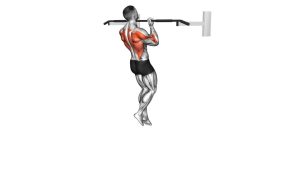
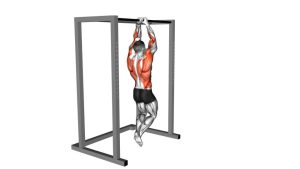
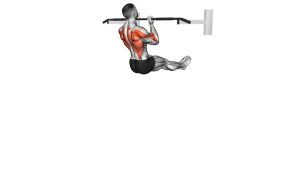
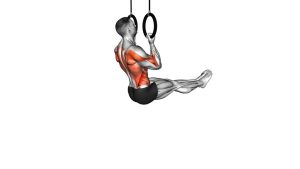
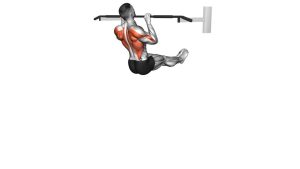
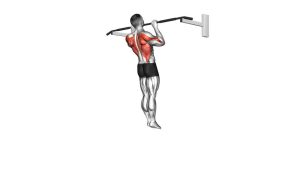
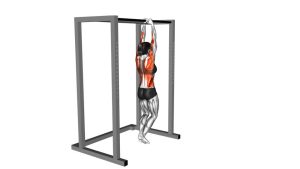
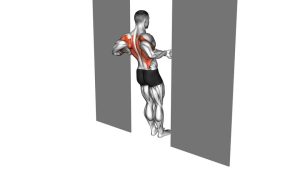
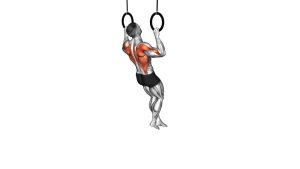
The Wide Chin-Up works best when each rep is controlled and deliberate. From the back view, good technique usually shows up as clean shoulder-blade movement, a stable torso, and a smooth pull without swinging. Rather than chasing momentum, focus on starting from a strong dead hang, depressing the shoulders, and pulling until the chin reaches bar height while maintaining tension through the core and glutes.
Quick Overview
| Body Part | Back |
|---|---|
| Primary Muscle | Latissimus dorsi |
| Secondary Muscle | Teres major, rhomboids, middle/lower traps, biceps, brachialis, rear delts, forearms, core |
| Equipment | Pull-up bar or sturdy overhead bar |
| Difficulty | Intermediate to Advanced |
Sets & Reps (By Goal)
- Strength focus: 3–5 sets × 3–6 reps, resting 2–3 minutes between sets
- Muscle building: 3–4 sets × 6–10 reps, resting 90–120 seconds
- Bodyweight skill practice: 3–5 sets × 2–5 clean reps with perfect control
- Eccentric or regression work: 3–4 sets × 4–6 slow negatives of 3–6 seconds each
- Mixed back workout accessory: 2–3 sets × 5–8 reps after heavier pulling work
Progression note: Add reps before adding difficulty. Once you can perform your target rep range with a dead hang, smooth ascent, and controlled lowering, you can increase the challenge with a pause at the top, slower eccentrics, or external load.
Setup / Starting Position
- Grip the bar wide: Take a supinated grip that is wider than shoulder width but still comfortable for your shoulders and wrists.
- Hang with intention: Start from a dead hang with arms fully extended and shoulders not excessively shrugged toward the ears.
- Brace the body: Tighten the abs and glutes so the torso stays steady and the legs do not swing.
- Set the shoulders: Think about pulling the shoulder blades slightly down and back before bending the elbows.
- Keep the chest open: A proud chest helps create a stronger pulling path and better upper-back engagement.
Tip: If the wide grip feels unstable or painful, narrow the hand spacing slightly. A strong rep with safe shoulder mechanics is more valuable than forcing an extreme width.
Execution (Step-by-Step)
- Begin from the hang: Let the body settle, keep the core tight, and avoid swinging into the first rep.
- Initiate with the back: Depress the shoulder blades first, then start pulling by driving the elbows down.
- Pull the chest upward: Bring the upper chest toward the bar while keeping the neck neutral and the rib cage controlled.
- Reach the top with control: Continue until the chin reaches or clears the bar without jerking or craning the head forward.
- Lower under tension: Descend slowly to a full arm extension while maintaining shoulder control and avoiding a sudden drop.
- Reset before repeating: Re-establish a clean dead hang and stable body line before starting the next rep.
Pro Tips & Common Mistakes
- Do not swing into reps: Momentum turns a strict back-builder into a less effective bodyweight kip.
- Avoid shrugging hard at the bottom: Maintain active shoulder positioning instead of hanging passively with the neck compressed.
- Use a realistic grip width: Going too wide can reduce range of motion and irritate the shoulders.
- Lead with the elbows, not the chin: Reaching the head forward is a common compensation when strength runs out.
- Control the eccentric: The lowering phase is one of the best parts of the exercise for building strength and muscle.
- Stay braced from head to toe: A tight midline improves power transfer and keeps the bar path cleaner.
- Do not force extra reps: Once scapular control disappears or range shortens badly, end the set.
FAQ
What muscles does the Wide Chin-Up work most?
The exercise primarily targets the latissimus dorsi, with strong support from the upper back, biceps, brachialis, and scapular stabilizers. The wider grip usually shifts more attention toward the back than a closer chin-up.
Is the Wide Chin-Up harder than a regular chin-up?
Yes, for most people it is. A wider grip typically reduces leverage and makes each rep more demanding on the lats, upper back, and shoulder stabilizers.
Should beginners start with this variation?
Most beginners do better with assisted chin-ups, band-assisted reps, inverted rows, or standard grip chin-ups first. Those options build the strength and control needed for wider pulling patterns.
How wide should my grip be?
Use a grip that is wider than shoulder width but still comfortable. Extremely wide hand placement is not necessary and can reduce quality if it causes pain or poor mechanics.
What if I cannot do full reps yet?
Start with band-assisted chin-ups, eccentric-only reps, or feet-assisted pull-up variations. Build strength through a full controlled range before chasing harder strict reps.
Recommended Equipment (Optional)
- Doorway Pull-Up Bar — practical option for home chin-ups, pull-ups, and hanging progressions
- Resistance Bands Set — useful for assisted reps, warm-ups, and back activation drills
- Lifting Straps — helpful when grip fatigue limits back-focused training volume
- Liquid Chalk — improves bar grip and can reduce slipping during strict bodyweight pulls
- Weighted Dip Belt — ideal once bodyweight wide chin-ups become strong and consistent
Choose tools that support good form first. Better grip, better setup, and better progression usually lead to better long-term results than simply making the movement harder too early.