Hangback Bar Stretch: Proper Form, Benefits, Tips & FAQ
Learn how to do the Hangback Bar Stretch with proper form to improve lat, shoulder, chest, and upper-back mobility. Includes setup, step-by-step instructions, stretching duration, common mistakes, FAQs, and recommended equipment.
Hangback Bar Stretch
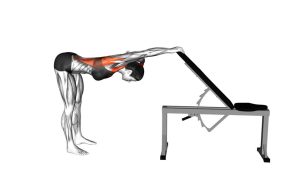
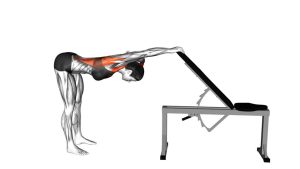
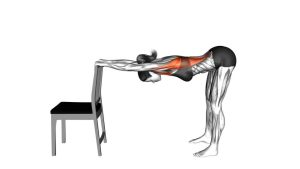
This stretch works best when performed with control, patience, and smooth breathing. You should feel a broad stretch through the sides of the torso, front of the shoulders, chest, and upper back. The goal is to create length and openness, not to drop aggressively into the position. A stable bar and gradual body positioning make this movement accessible for warm-ups, cool-downs, posture work, and general mobility training.
Quick Overview
| Body Part | Back |
|---|---|
| Primary Muscle | Latissimus dorsi (lats) |
| Secondary Muscle | Shoulders, chest, triceps long head, upper back, thoracic spine |
| Equipment | Fixed horizontal bar, squat rack, sturdy rail, or similar support |
| Difficulty | Beginner |
Sets & Reps (By Goal)
- Warm-up mobility: 1–2 sets × 20–30 seconds
- Post-workout stretching: 2–4 sets × 30–45 seconds
- Shoulder and lat mobility focus: 2–3 sets × 30–60 seconds
- Posture reset during the day: 1–2 sets × 15–30 seconds with light intensity
Progression rule: Increase stretch time first, then gently step farther back or lower the hips slightly to deepen the position. Do not force range if your shoulders or lower back lose comfort.
Setup / Starting Position
- Use a secure bar: Choose a fixed bar, rack, or railing that will not move while you pull against it.
- Face the bar: Stand a short distance away with your feet planted firmly on the floor.
- Grip the bar: Hold it with both hands around shoulder-width apart using a comfortable overhand grip.
- Straighten the arms: Keep the elbows extended or only slightly soft, without bending too much.
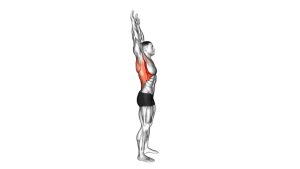
- Set your posture: Keep the chest lifted, ribs controlled, shoulders down, and spine long before leaning back.
Tip: A bar around waist-to-chest height usually makes the stretch easier to control for most people.
Execution (Step-by-Step)
- Lean backward slowly: Shift your body weight away from the bar while keeping your hands fixed in place.
- Lengthen through the arms and torso: Let the shoulders move into flexion as the lats and chest begin to open.
- Keep the spine long: Think about sitting the hips back slightly while reaching the chest away from the hands.
- Find the stretch: Stop when you feel a comfortable pull across the lats, shoulders, chest, and upper back.
- Hold and breathe: Take slow, controlled breaths and relax deeper into the position without bouncing.
- Return with control: Step forward or pull yourself back upright gradually instead of releasing suddenly.
Pro Tips & Common Mistakes
- Use a stable object only: Never perform this on a loose bar, unstable furniture, or anything that can tip or slide.
- Keep the movement gradual: Ease into the stretch instead of dropping backward quickly.
- Let the lats lengthen: Think about reaching the hips away from the hands for a better stretch line.
- Do not shrug hard: Keep the shoulders controlled rather than jammed up toward the ears.
- Avoid over-arching the lower back: The stretch should come mainly from the upper body and shoulders, not lumbar collapse.
- Breathe continuously: Slow exhales often help you relax the torso and deepen the stretch naturally.
- Adjust foot position: Stepping farther away increases intensity; stepping closer makes it easier.
- Do not treat it like a dead hang: This is a supported stretch, so stay controlled and keep the feet grounded.
FAQ
Where should I feel the Hangback Bar Stretch?
Most people feel it in the lats, front of the shoulders, chest, and upper back. You may also notice a gentle opening through the thoracic spine. It should feel like a stretch, not a painful joint pinch.
Is this a back exercise or a stretch?
It is primarily a mobility and stretching exercise. While you do use your grip and body position to hold the setup, the main goal is to improve flexibility and movement quality rather than build strength.
Can beginners do this stretch?
Yes. It is very beginner-friendly when performed with a secure bar and a light range of motion. Start with shorter holds and a shallower lean until your shoulders and upper back feel comfortable.
Should I keep my arms completely straight?
In most cases, yes, or very close to straight. A slight softness in the elbows is fine, but bending them too much reduces the stretch through the lats and shoulders.
Can I use this before pull-ups or upper-body workouts?
Yes. It can be a useful warm-up drill before pull-ups, rows, lat-focused work, or overhead training because it helps open the shoulders and lengthen the upper body.
Who should be careful with this stretch?
Anyone with a current shoulder injury, acute back pain, or limited overhead tolerance should be cautious. If the stretch causes pinching, numbness, or sharp pain, stop and get professional guidance before continuing.
Recommended Equipment (Optional)
- Doorway Pull-Up Bar — a practical at-home option for supported bar stretches and upper-body training
- Power Tower / Dip Station — offers a sturdy frame for stretching, hanging, and bodyweight exercises
- Resistance Bands Set — useful for pairing mobility work with shoulder activation and lat warm-ups
- Foam Roller — helpful for upper-back and lat soft-tissue work before or after stretching
- Exercise or Yoga Mat — improves comfort and footing during mobility work, warm-ups, and recovery sessions
Tip: The best setup is the one that feels stable, safe, and easy to control. Choose equipment that lets you ease into the stretch instead of forcing it.