Bodyweight Muscle-Up: Proper Form, Sets, Tips & FAQ
Learn how to perform the Bodyweight Muscle-Up with proper form. Discover setup, step-by-step execution, sets and reps by goal, common mistakes, FAQs, and recommended equipment for stronger back and upper-body power.
Bodyweight Muscle-Up
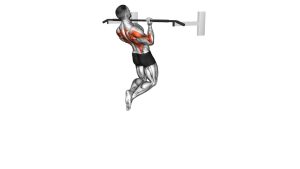
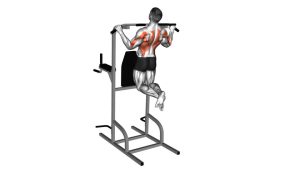
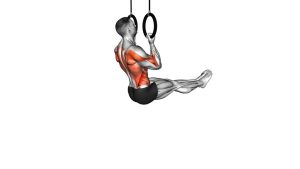
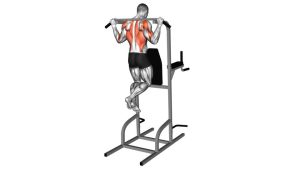
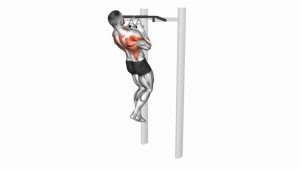
This exercise rewards a mix of explosiveness, relative strength, and technical control. A clean rep starts from an active hang, rises with strong upward pulling power, then shifts into a quick but controlled transition over the bar before finishing with locked arms. When the movement is rushed or underpowered, athletes often compensate with excessive swinging, early elbow flare, or poor bar path.
Quick Overview
| Body Part | Back |
|---|---|
| Primary Muscle | Latissimus dorsi, teres major, upper back |
| Secondary Muscle | Biceps, rhomboids, mid traps, rear delts, triceps, core |
| Equipment | Pull-up bar or fixed horizontal bar |
| Difficulty | Advanced |
Sets & Reps (By Goal)
- Skill practice: 3–5 sets × 1–3 reps, full rest between sets
- Strength and power: 4–6 sets × 1–4 reps, 2–3 minutes rest
- Technique refinement: 3–4 sets × 2–5 reps with clean, controlled form
- Progression work: 3–5 sets of assisted muscle-ups, banded reps, or transition drills
Progression rule: Add reps only when each repetition stays explosive, smooth, and technically clean. Once form breaks down, stop the set instead of chasing fatigue.
Setup / Starting Position
- Grip the bar firmly: Use an overhand grip slightly wider than shoulder width. A false grip may help some athletes, but a standard grip is common on a bar muscle-up.
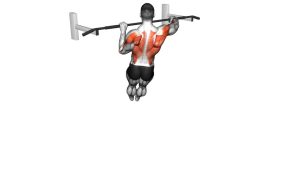
- Start in an active hang: Let the arms fully extend while keeping the shoulders engaged rather than hanging passively.
- Brace your body: Tighten your core, keep the legs together, and avoid loose lower-body movement before the pull.
- Set your line: Keep the chest open and think about pulling your torso high toward the bar, not just bringing the chin above it.
- Prepare for transition: Mentally cue the movement as pull high first, then roll the chest over the bar.
Tip: The muscle-up becomes much easier when your starting position is organized and tight. A lazy hang usually leads to a weak first pull.
Execution (Step-by-Step)
- Initiate the pull: Drive the elbows down and back as you pull explosively from the active hang.
- Pull high: Aim to bring the chest or lower sternum close to the bar rather than stopping at chin level.
- Lean forward: As the body rises, shift the torso over the bar by bringing the chest forward and wrists around it.
- Transition smoothly: Let the elbows move from below the bar to behind you as your upper body comes on top of the bar.
- Press to lockout: Finish the rep like a straight-bar dip until the arms are fully extended.
- Lower with control: Reverse the motion carefully back through the transition and return to a stable hang.
Pro Tips & Common Mistakes
- Think chest to bar: Pulling only to chin height usually kills the transition.
- Stay tight through the core: Excessive leg kick or loose feet often disrupts timing.
- Do not rush the turnover: You still need a strong upward pull before leaning over the bar.
- Avoid early elbow flare: Keep the pull powerful and efficient instead of letting the arms drift out too soon.
- Control the descent: Dropping carelessly can irritate the shoulders, elbows, and wrists.
- Build prerequisites first: Strong pull-ups, chest-to-bar reps, dips, and straight-bar dips lay the foundation for safer muscle-ups.
FAQ
What muscles does the bodyweight muscle-up work the most?
The main movers are the lats, teres major, and upper back, while the biceps, rear delts, triceps, and core support the pull, transition, and lockout.
Is the muscle-up more of a back exercise or an arm exercise?
It is primarily an upper-back and lat-driven movement, but the arms play a major supporting role. The pull phase emphasizes the back, while the top portion demands strong triceps and pressing strength.
Do I need to master pull-ups before trying muscle-ups?
Yes. You should already have solid strict pull-ups, explosive chest-to-bar strength, and comfortable dip strength before attempting full muscle-ups.
Can beginners do bodyweight muscle-ups?
Most beginners should start with progression drills first. Band-assisted muscle-ups, explosive pull-ups, transition practice, and straight-bar dips are better entry points.
Should I use momentum for a muscle-up?
A small natural body rhythm may appear, but excessive kipping turns the rep sloppy. For strength and muscle development, focus on a controlled and powerful bar path rather than wild swinging.
Recommended Equipment
- Doorway Pull-Up Bar — practical option for home upper-body pulling practice and basic progressions
- Heavy-Duty Wall-Mounted Pull-Up Bar — more stable choice for explosive reps and repeated muscle-up work
- Resistance Bands Set — useful for assisted muscle-ups, transition drills, and strength progression
- Gymnastics Grips / Hand Grips — helps reduce palm irritation during high-volume bar practice
- Workout Chalk — improves grip security when your hands get sweaty during explosive pulling sessions
Tip: Start with stable equipment before chasing advanced reps. A secure bar and reliable grip make a major difference in muscle-up quality and confidence.