Smith Back Wide Shrug: Proper Form, Muscles Worked, Sets, Tips & FAQ
Learn how to perform the Smith Back Wide Shrug with proper form to build stronger upper traps and improve shoulder elevation strength. Includes muscles worked, setup, execution, sets by goal, mistakes, FAQs, and recommended equipment.
Smith Back Wide Shrug
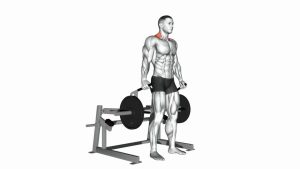
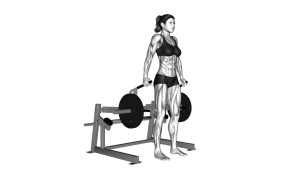
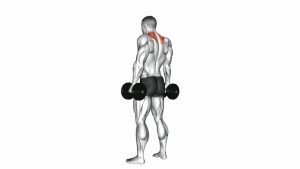
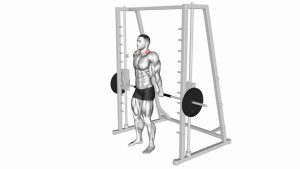
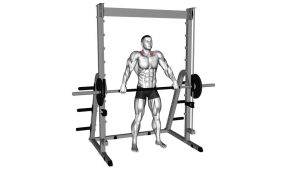
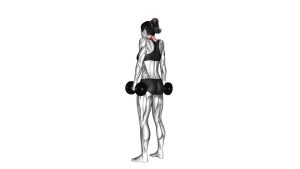
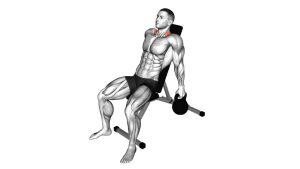
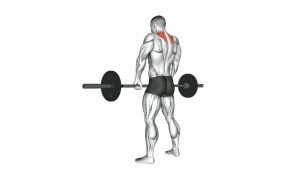
This exercise is best used as a trap-building isolation movement after rows, pulldowns, or other back work. The video shows a deliberate rep style with no torso swing, no knee drive, and no exaggerated shoulder roll. A smooth vertical shrug paired with a controlled eccentric keeps tension where it belongs and makes the movement more effective for hypertrophy.
Quick Overview
| Body Part | Upper Back |
|---|---|
| Primary Muscle | Upper trapezius |
| Secondary Muscle | Middle trapezius, levator scapulae, forearms (grip stabilization) |
| Equipment | Smith machine |
| Difficulty | Beginner to Intermediate |
Sets & Reps (By Goal)
- Muscle growth: 3–5 sets × 10–15 reps with a 1–2 second squeeze at the top
- Strength-focused trap work: 4–5 sets × 6–10 reps with controlled tempo and solid posture
- Back-day finisher / pump work: 2–4 sets × 12–20 reps with short rest and strict form
- Technique practice: 2–3 sets × 8–12 reps using light weight to groove the shoulder path
Progression rule: Add load only when you can keep every rep smooth, vertical, and free from momentum. A longer pause at the top or a slower lowering phase is often a better progression than simply adding more weight.
Setup / Starting Position
- Set the bar height: Place the Smith bar around upper-thigh level so you can unrack it comfortably behind your body.
- Step into position: Stand tall facing forward with the bar behind your thighs or glutes.
- Take a wide overhand grip: Hands should be wider than shoulder-width, but still comfortable for your shoulders and wrists.
- Unrack and stabilize: Straighten your legs, brace lightly through the midsection, and let the arms hang long.
- Set posture: Keep the chest up, shoulders neutral, and chin level. The torso should stay upright from start to finish.
Tip: Start lighter than you think you need. The behind-the-back position changes leverage and usually feels best when the movement stays clean and controlled.
Execution (Step-by-Step)
- Begin from a dead-still position: Let the shoulders settle naturally at the bottom without rounding forward.
- Shrug straight up: Elevate the shoulders toward the ears in a vertical line. Think about lifting the traps, not pulling with the arms.
- Keep elbows locked: The elbows stay straight throughout the set. The bar should move only because the shoulders rise.
- Pause and squeeze: Hold the top briefly and contract the upper traps as hard as you can without losing posture.
- Lower under control: Bring the shoulders back down slowly to the starting position. Avoid dropping the weight.
- Repeat with the same rhythm: Maintain the same rep quality from the first rep to the last.
Pro Tips & Common Mistakes
- Shrug up, not back: Shoulder elevation is the goal. Rolling the shoulders wastes tension and often irritates the joint.
- Use the wide grip strategically: A wider grip can help reduce arm contribution, but it should never force painful shoulder positioning.
- Stay upright: Leaning back turns the movement into a cheat shrug and shifts tension away from the traps.
- Control the descent: The lowering phase matters. Dropping the bar cuts the set short and reduces effective tension.
- Do not crane the neck: Keep your head neutral instead of jutting the chin forward while you shrug.
- Straps can help on heavy sets: If grip fails before the traps do, lifting straps may help you keep the target muscle as the limiter.
- Place it late in the workout: This variation fits well after rows, pulldowns, or rear-delt work on an upper-back day.
FAQ
What does the Smith Back Wide Shrug work most?
It mainly targets the upper traps. The middle traps and levator scapulae assist with stabilization, while the forearms help maintain grip on the bar.
Why perform shrugs behind the body?
Many lifters find that the behind-the-back position encourages a cleaner shoulder path and keeps the bar from drifting forward. It can also make it easier to feel the traps doing the work instead of the arms.
Is a wide grip better than a shoulder-width grip?
Not always, but a wide grip can feel more natural for this variation and may reduce unnecessary elbow or biceps involvement. Use the grip width that lets you shrug hard without shoulder discomfort.
Should I roll my shoulders during shrugs?
No. A proper shrug is mostly a straight upward shoulder elevation. Rolling the shoulders adds motion without improving trap activation.
Can beginners use this exercise?
Yes, as long as the load stays moderate and the movement remains strict. Beginners should first learn how to elevate the shoulders without swinging the torso or bending the elbows.
Where should I place this in my workout?
It works well in the middle or near the end of an upper-back or pull workout after your bigger compound exercises are done.
Recommended Equipment
- Lifting Straps — useful when grip fatigue limits heavy shrug sets before the traps are fully challenged
- Weightlifting Belt — optional support for lifters who want more trunk stability during heavier sets
- Flat Training Shoes — provide a stable base to keep posture steady and reduce unwanted body movement
- Liquid Chalk — improves grip security on the bar, especially during higher-rep trap work
- Peanut Massage Ball — helpful for upper-back soft tissue work between training sessions
Tip: Accessories should improve stability, grip, or recovery. They should never replace proper form, controlled tempo, and sensible loading.