Bottle-Weighted Pullover: Form, Muscles Worked, Sets, Tips & FAQ
Learn how to perform the Bottle-Weighted Pullover with proper form. Discover muscles worked, setup, step-by-step execution, sets by goal, common mistakes, FAQs, and recommended equipment.
Bottle-Weighted Pullover
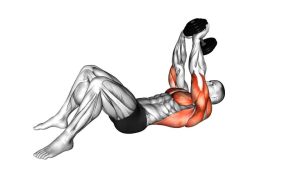
This variation works best when the movement stays slow, controlled, and comfortable. Instead of chasing heavy resistance, focus on keeping the ribs down, arms steady, and range of motion smooth. You should feel the exercise through the upper back, sides of the torso, and chest, not as strain in the neck or lower back. Since the load is light, this movement is especially useful for beginners, home trainees, warm-ups, and technique practice.
Quick Overview
| Body Part | Back |
|---|---|
| Primary Muscle | Latissimus dorsi (lats) |
| Secondary Muscle | Chest, serratus anterior, triceps long head, shoulders, core stabilizers |
| Equipment | Water bottle, weighted bottle, or light dumbbell |
| Difficulty | Beginner |
Sets & Reps (By Goal)
- Technique practice: 2–3 sets × 10–15 reps with slow control and 30–45 sec rest
- Muscle endurance: 2–4 sets × 12–20 reps with light resistance and steady tempo
- Hypertrophy / general strength: 3–4 sets × 8–12 reps using a heavier bottle or light dumbbell
- Warm-up activation: 1–2 sets × 8–10 reps before back or chest training
Progression rule: Increase the load only after you can complete every rep with a smooth arc, controlled lowering, and no rib flare or lower-back compensation.
Setup / Starting Position
- Lie on your back: Use the floor or an exercise mat and bend your knees so your feet stay flat.
- Hold the bottle securely: Grip it with both hands above your chest, keeping the bottle centered.
- Set your shoulders: Keep the shoulders down and stable instead of shrugging up toward the ears.
- Brace lightly: Tighten your core just enough to keep the ribs from flaring upward.
- Start with soft elbows: Keep a slight bend in the elbows and maintain that arm angle throughout the rep.
Tip: A mat or padded surface can make the floor setup more comfortable and help you stay relaxed during the movement.
Execution (Step-by-Step)
- Begin above the chest: Hold the bottle directly over your chest with both arms extended and elbows slightly bent.
- Lower in an arc: Move the bottle slowly backward over your head in a smooth semicircle.
- Stay controlled: Keep the core engaged so your ribs do not pop up and your lower back does not overarch.
- Reach a comfortable bottom position: Stop when you feel a good stretch through the lats and chest without shoulder discomfort.
- Return along the same path: Pull the bottle back over the chest using the lats and upper body, not momentum.
- Reset and repeat: Pause briefly at the top, stabilize, and perform the next rep with the same tempo.
Pro Tips & Common Mistakes
- Use a smooth arc: The bottle should travel overhead in a curved path, not drift randomly behind you.
- Keep the elbows softly bent: Too much elbow bend turns the movement into more of a triceps exercise.
- Do not rush the lowering phase: The eccentric portion is where a lot of control and tension are built.
- Avoid lower-back arching: Keep the ribs down and abs lightly active to prevent compensation.
- Do not force range of motion: Stop where your shoulders still feel strong and stable.
- Start light: A bottle is enough for learning the movement pattern before progressing to a dumbbell.
- Match both sides evenly: Keep the bottle centered so one arm does not take over.
FAQ
What muscles does the Bottle-Weighted Pullover work?
The exercise mainly targets the lats. It also involves the chest, serratus anterior, triceps long head, and core stabilizers.
Is this a chest exercise or a back exercise?
It is best classified as a back-focused movement with strong chest assistance. Depending on your arm path and body position, you may feel both areas working together.
Can beginners do this exercise at home?
Yes. This is a beginner-friendly movement because you can start with a very light object such as a water bottle and focus on learning the overhead arc before increasing resistance.
Should I do this on the floor or on a bench?
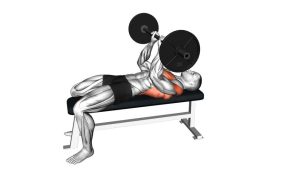
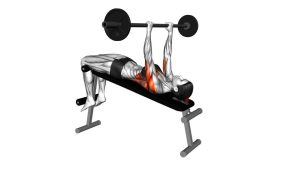
The floor version is a good starting point because it offers more stability and helps reduce excessive range. A bench variation can increase range of motion later once your control improves.
What should I avoid during pullovers?
Avoid jerking the weight, flaring the ribs aggressively, bending the elbows too much, and forcing the bottle too far overhead. The movement should stay controlled from start to finish.
Recommended Equipment
- Exercise or Yoga Mat — provides comfort and support for floor-based pullovers
- Adjustable Dumbbell — a practical progression once a bottle becomes too light
- Flat Weight Bench — useful if you want to progress to a fuller pullover range later
- Resistance Band Set — helpful for pairing with rows, pulldowns, and warm-up activation work
- Thick Floor Exercise Mat — adds extra cushioning for home training sessions
Tip: Start with the lightest tool that lets you keep perfect control. Better mechanics with a lighter load will build a safer and more effective pullover over time.