Bottle-Weighted Gorilla Row: Proper Form, Sets, Tips & FAQ
Learn how to do the Bottle-Weighted Gorilla Row with proper form. Discover muscles worked, setup tips, sets and reps by goal, common mistakes, FAQs, and recommended equipment for stronger back training at home.
Bottle-Weighted Gorilla Row
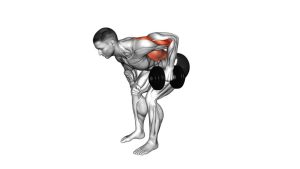
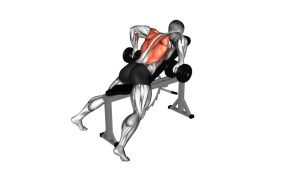
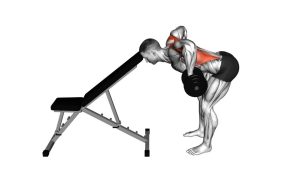
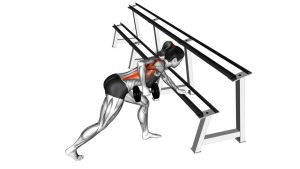
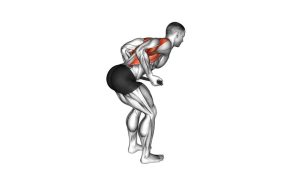
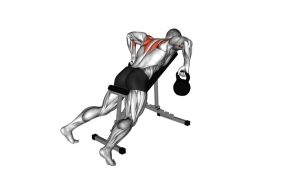
This exercise is performed from a wide, stable stance with the torso hinged forward and the arms hanging between the legs. From that position, you row one bottle at a time toward the lower ribs or hip area while the opposite arm stays extended. The goal is to keep the spine neutral, the shoulders controlled, and the torso as still as possible throughout the set. When done correctly, the Bottle-Weighted Gorilla Row builds back strength, reinforces good posture, and improves anti-rotation stability.
Quick Overview
| Body Part | Back |
|---|---|
| Primary Muscle | Latissimus dorsi |
| Secondary Muscle | Rhomboids, middle traps, rear delts, biceps, spinal erectors, core |
| Equipment | Two weighted bottles, water jugs, or other light household weights |
| Difficulty | Beginner to Intermediate |
Sets & Reps (By Goal)
- Technique practice: 2–3 sets × 8–10 reps per side with light weight and slow control
- Muscle building: 3–4 sets × 10–15 reps per side with steady tempo and short pause at the top
- Endurance / conditioning: 2–4 sets × 12–20 reps per side with moderate rest
- Home workout circuit: 2–3 rounds × 8–12 reps per side paired with squats, push-ups, or hinges
Progression rule: Increase the bottle weight first if form stays solid. If heavier loading is not available, slow the lowering phase, add a one-second squeeze at the top, or increase total reps.
Setup / Starting Position
- Stand wide: Place your feet wider than shoulder-width apart with toes turned slightly outward for balance.
- Hold the bottles: Grip one weighted bottle in each hand and let the arms hang naturally between the legs.
- Hinge at the hips: Push the hips back and lean the torso forward while keeping the chest open and spine neutral.
- Soften the knees: Maintain a slight bend in the knees to reduce stress on the lower back and improve stability.
- Brace the core: Tighten the midsection and keep the head in a neutral position with eyes angled slightly ahead.
Tip: Think of this as a strong athletic hinge position, not a squat. Your hips should move back more than down.
Execution (Step-by-Step)
- Set your hinge: Lock in a flat back, braced core, and stable lower body before starting the first rep.
- Row one side: Pull one bottle upward by driving the elbow back toward the hip or lower rib area.
- Keep the torso still: Avoid twisting or leaning as the weight comes up. The row should come from the back, not momentum.
- Squeeze at the top: Pause briefly when the elbow reaches behind the torso and the shoulder blade retracts.
- Lower with control: Return the bottle to the start position without dropping it or losing posture.
- Switch sides: Perform the same movement with the opposite arm in a smooth alternating rhythm.
- Continue evenly: Alternate left and right reps while maintaining the same range of motion and tempo on both sides.
Pro Tips & Common Mistakes
- Keep a neutral spine: Do not round the lower back to reach deeper at the bottom.
- Pull the elbow back, not straight up: This helps shift the load into the lats and mid-back.
- Do not twist the torso: The alternating pattern should challenge stability, not turn into a rotation drill.
- Control the lowering phase: Letting the weight drop reduces tension and makes the exercise less effective.
- Stay out of the shoulders: Avoid shrugging at the top; keep the neck long and shoulders down.
- Use a manageable load: Even light bottles become challenging when you keep strict form and a steady tempo.
- Brace before every rep: A strong midsection helps protect the lower back during longer sets.
FAQ
What muscles does the Bottle-Weighted Gorilla Row work?
It mainly targets the lats, while also training the rhomboids, middle traps, rear delts, and biceps. The core and lower back work isometrically to stabilize the body.
Is this exercise good for home workouts?
Yes. It is an excellent home workout movement because it only requires two weighted bottles, water jugs, or similar household items. It is especially useful when you do not have dumbbells available.
Should I row both arms at the same time or alternate them?
In this version, alternating the arms is ideal because it increases core demand and helps you focus on one side at a time. You can also do both arms together, but the alternating style usually feels more controlled.
Where should I feel the exercise the most?
You should feel it primarily in the lats and mid-back. If you mostly feel it in the lower back, you may need to reduce the load, improve your hip hinge, or brace your core more firmly.
How can I make the Bottle-Weighted Gorilla Row harder?
Increase the bottle weight, add more reps, slow the lowering phase, or pause for one to two seconds at the top of each row. Cleaner technique is often a better progression than simply using heavier weight.
Recommended Equipment (Optional)
- Adjustable Dumbbells — a simple upgrade from bottles when you want more precise loading
- Refillable Water Weights — useful for adjustable resistance in small home spaces
- Resistance Bands Set — great for pairing with rows, pull-aparts, and other upper-back work
- Weightlifting Gloves — can improve grip comfort during higher-rep pulling sessions
- Fitness Exercise Mat — helpful for a more comfortable training surface during home workouts
Tip: If your bottles are too light, slow the tempo and hold the top position briefly before buying heavier equipment.