Palm Press Back: Proper Form, Muscles Worked, Sets, Tips & FAQ
Learn how to do the Palm Press Back with proper form to strengthen the mid-back, improve posture, and activate the scapular stabilizers. Includes muscles worked, sets and reps, step-by-step instructions, common mistakes, FAQ, and recommended equipment.
Palm Press Back
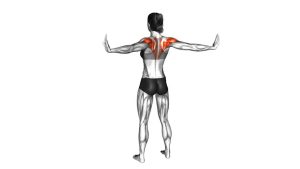
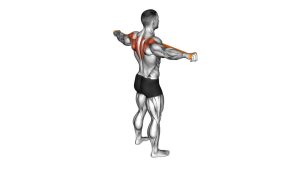
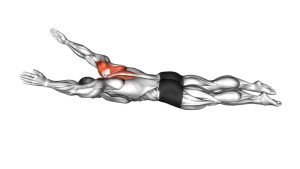
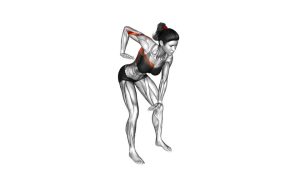
This exercise is best performed with precision, control, and a strong mind-muscle connection. The goal is to feel the mid-back working—especially between the shoulder blades— rather than turning the movement into a large arm swing. When done correctly, the Palm Press Back can help reinforce better shoulder positioning and support upper-back training, warm-ups, and posture-focused routines.
Quick Overview
| Body Part | Back |
|---|---|
| Primary Muscle | Middle trapezius and rhomboids |
| Secondary Muscle | Rear deltoids, lower trapezius, and rotator cuff stabilizers |
| Equipment | None |
| Difficulty | Beginner |
Sets & Reps (By Goal)
- Activation / warm-up: 2–3 sets × 10–15 reps with a 1–2 second squeeze
- Posture practice: 2–4 sets × 12–20 reps with slow, controlled tempo
- Scapular control: 2–3 sets × 8–12 reps with a 2–3 second peak contraction
- Desk-break reset: 1–2 sets × 8–10 easy reps throughout the day
Progression rule: First improve control, squeeze quality, and posture. Then add longer pauses, slower eccentrics, or more total reps before moving to loaded upper-back exercises.
Setup / Starting Position
- Stand tall: Place your feet about hip-width apart and keep your knees softly unlocked.
- Set your torso: Keep your chest lifted, ribs stacked, and spine neutral.
- Raise the arms: Extend both arms out to the sides around shoulder height.
- Position the palms: Turn the palms so they face backward or slightly outward.
- Relax the neck: Keep the shoulders down and away from the ears before you begin.
Tip: Think of reaching long through the fingertips while keeping the shoulders packed down.
Execution (Step-by-Step)
- Start in position: Stand tall with your arms extended and chest open.
- Press back gently: Move the arms slightly backward without bending the elbows much.
- Squeeze the shoulder blades: Pull them together and slightly downward as the arms move back.
- Pause briefly: Hold the peak contraction for 1–2 seconds while keeping the neck relaxed.
- Return with control: Slowly release the squeeze and come back to the starting position without collapsing forward.
- Repeat smoothly: Keep each rep controlled and focused on the upper-back muscles.
Pro Tips & Common Mistakes
- Keep the motion small: This is not a swing or a big rear-delt fly.
- Lead with the shoulder blades: Think “squeeze between the shoulder blades” instead of “throw the arms back.”
- Do not shrug: Keep the upper traps from taking over.
- Maintain a neutral neck: Avoid jutting the head forward.
- Keep the ribs down: Don’t overarch the lower back to fake more range.
- Use slow tempo: Controlled reps improve muscle activation and posture awareness.
- Avoid elbow bending: Too much bend changes the movement and reduces the intended emphasis.
FAQ
What muscles does the Palm Press Back work?
It mainly targets the middle trapezius and rhomboids, while the rear deltoids, lower traps, and shoulder stabilizers assist.
Is this a good exercise for posture?
Yes. It can help reinforce better shoulder positioning by training the muscles that pull the shoulders back and support scapular control.
Should I use heavy resistance for this movement?
Not usually. This exercise works best as a bodyweight activation drill or light-control exercise. Quality of contraction matters more than load.
Where should I feel it most?
You should mainly feel it in the mid-back, especially between the shoulder blades. Mild rear-delt involvement is normal, but neck tension should stay minimal.
Can beginners use this in a warm-up?
Absolutely. It fits well into warm-ups, posture routines, rehab-style upper-back work, and quick movement breaks during the day.
Recommended Equipment (Optional)
- Resistance Bands Set — useful for progressing into rows, pull-aparts, and shoulder rehab-style work
- Figure-8 Resistance Band — convenient for light upper-back activation and posture drills
- Foam Roller — helpful for thoracic mobility and upper-back recovery between training sessions
- Exercise / Yoga Mat — useful if you pair this movement with floor-based posture or mobility work
- Posture Corrector — optional awareness tool for shoulder positioning, but not a replacement for strengthening
Tip: Use equipment to support training quality, not to replace active muscular control.