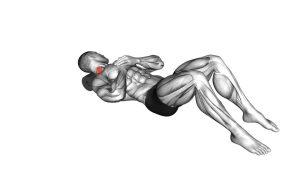
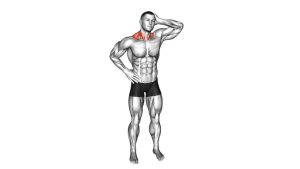
Backward Neck Stretch: Proper Form, Benefits, Sets & Neck Mobility Tips
Learn how to perform the Backward Neck Stretch safely to improve neck extension mobility, relieve front-neck tightness, and counter forward-head posture. Includes step-by-step form, sets by goal, common mistakes, FAQs, and optional equipment.
Backward Neck Stretch
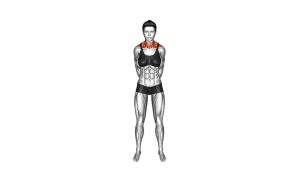
This stretch is most effective when it’s slow, controlled, and comfortable. You should feel a mild stretch across the front of the neck and upper throat area—not sharp pain, pinching, or dizziness. Keep the jaw relaxed and avoid shrugging the shoulders.
Quick Overview
| Body Part | Neck |
|---|---|
| Primary Muscle | Anterior neck / sternocleidomastoid region (stretch emphasis) |
| Secondary Muscle | Deep neck flexors (lengthened), upper chest fascia (light), jaw/neck soft tissues |
| Equipment | None (optional: cervical pillow, neck roll, warm compress) |
| Difficulty | Beginner (best with small range and calm breathing) |
Sets & Reps (By Goal)
- Desk posture break: 1–2 sets × 20–30 sec hold (easy effort, breathe slowly)
- Neck mobility routine: 2–3 sets × 20–40 sec hold (30–60 sec rest)
- Warm-up (gentle prep): 2–3 sets × 8–10 controlled reps (1–2 sec up, 1–2 sec back)
- Cool-down / relaxation: 2 sets × 30–45 sec hold (combine with deep breathing)
Progression rule: First improve comfort and breathing. Then increase hold time by 5–10 seconds. Avoid forcing deeper range—mobility improves best with consistency and light intensity.
Setup / Starting Position
- Stand or sit tall: Keep ribs stacked over pelvis; don’t arch the lower back.
- Relax shoulders: Let them drop away from your ears.
- Jaw soft: Teeth unclenched; tongue rests gently on the roof of the mouth.
- Neck neutral: Face forward, chin level—start from a comfortable baseline.
- Optional support: If you feel unstable, do it seated or with your upper back against a wall.
Tip: If you tend to compensate by leaning back, do the stretch seated with your back supported. The movement should come from the neck—not the whole spine.
Execution (Step-by-Step)
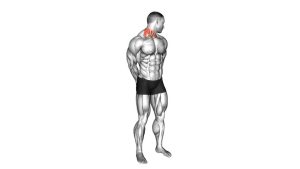
- Brace gently: Keep your torso still and shoulders relaxed.
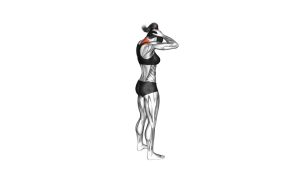
- Tilt backward slowly: Lift the chin and let the head move into extension in a smooth arc.
- Stop at “good stretch”: Aim for mild-to-moderate tension, not pain or pinching.
- Breathe: Hold 20–40 seconds with calm nasal breathing (or 2–3 slow breaths minimum).
- Return to neutral: Come back slowly—no dropping or snapping forward.
Pro Tips & Common Mistakes
- Go slower than you think: Neck stretches should be smooth and controlled.
- Don’t crank into end range: A mild stretch beats a deep forced stretch every time.
- Avoid low-back arching: Keep ribs down—don’t “lean back” to fake range.
- Keep shoulders down: Shrugging reduces the quality of the stretch.
- Relax the jaw: Jaw clenching can create throat tension and headache-like symptoms.
- Pair with chin tucks: Extension + deep neck flexor work is a great posture combo.
FAQ
Where should I feel the backward neck stretch?
Most people feel it across the front of the neck and under the jawline. If you feel a sharp pinch at the back of the neck, reduce the range and keep the movement gentle.
How often can I do this stretch?
You can typically do it daily at low intensity (especially as a desk break). Start with 1–2 sets and see how your neck responds. If you feel lingering soreness or headaches, reduce the hold time and range.
Is this good for “tech neck” or forward head posture?
It can help restore extension mobility and relieve tightness from prolonged looking down. For best results, combine it with chin tucks (deep neck flexors) and upper-back strengthening (rows/face pulls).
Should I feel dizziness when stretching my neck back?
No. Dizziness is a sign to stop immediately. Return to neutral and avoid repeating the movement. If dizziness happens consistently, consult a qualified healthcare professional.
Who should be cautious with this stretch?
If you have an acute neck injury, severe symptoms, known cervical instability, or nerve-like symptoms (tingling/numbness, radiating arm pain), avoid forcing neck extension and seek professional guidance.
Recommended Equipment (Optional)
- Cervical Contour Pillow — supports neck alignment and relaxation outside workouts
- Cervical Roll / Neck Support Roll — gentle support for neutral positioning during rest
- Microwavable Heat Neck Wrap — warmth can reduce stiffness before stretching (use 10–15 minutes)
- Posture Corrector Brace (Light Reminder) — awareness tool for shoulder rounding (not a replacement for training)
- Resistance Bands Set — perfect for pairing with rows/pull-aparts to reinforce better posture
Tip: If any tool increases symptoms, stop using it and reassess. The neck responds best to light intensity, slow progress, and consistent practice.