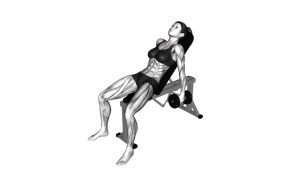
Barbell Decline Chest-Supported Shrug: Form, Sets, Tips & FAQ
Learn how to perform the Barbell Decline Chest-Supported Shrug for upper trap growth with strict form. Includes setup, step-by-step execution, sets by goal, common mistakes, FAQs, and recommended equipment.
Barbell Decline Chest-Supported Shrug
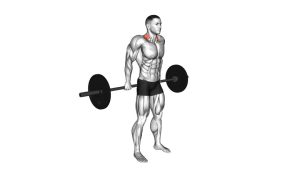
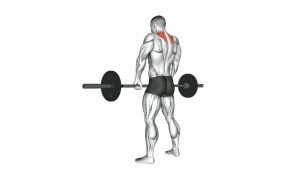
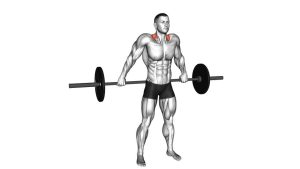
This shrug variation is ideal for lifters who want to train the upper trapezius with cleaner mechanics and less lower-back fatigue than standing shrugs. Because your torso is supported, it becomes easier to reduce cheating, maintain a stable body position, and create a stronger mind-muscle connection with the traps. The goal is not to yank the bar upward with the arms. Instead, think about elevating the shoulders toward the ears while keeping the elbows straight and the neck neutral.
Quick Overview
| Body Part | Upper Back |
|---|---|
| Primary Muscle | Upper trapezius |
| Secondary Muscle | Middle trapezius, levator scapulae, rhomboids, forearms (grip stabilization) |
| Equipment | Barbell, weight plates, decline or adjustable bench |
| Difficulty | Beginner to Intermediate |
Sets & Reps (By Goal)
- Muscle growth: 3-4 sets × 10-15 reps with a 1-2 second squeeze at the top
- Trap strength: 4-5 sets × 6-10 reps using a controlled tempo and full range
- Technique practice: 2-3 sets × 12-15 reps with light-to-moderate weight
- Finisher work: 2-3 sets × 15-20 reps with strict form and short rest periods
Progression tip: Increase load only when you can keep the elbows straight, pause at peak contraction, and lower the bar under control without swinging.
Setup / Starting Position
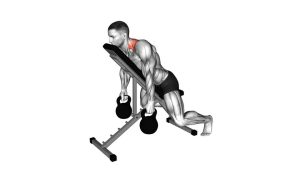
- Set the bench: Position a decline bench or adjustable bench so you can lie chest-down comfortably while allowing the barbell to hang below you.
- Load the barbell: Choose a manageable weight that allows strict shrugging without jerking.
- Lie chest-supported: Place your chest and torso firmly against the bench with your feet planted for stability.
- Grip the bar: Hold the barbell with a pronated grip around shoulder width or slightly wider.
- Start from a dead hang: Let the arms hang straight down, keep the elbows extended, and allow the shoulders to settle into a stretched bottom position.
- Align the head and neck: Keep the neck neutral and avoid lifting the chin excessively.
Execution (Step-by-Step)
- Brace against the bench: Keep your torso stable and your chest pressed gently into the pad.
- Initiate with the traps: Lift your shoulders straight upward toward your ears without bending the elbows.
- Keep the bar path natural: The bar will rise slightly because the shoulders elevate, not because you row it.
- Squeeze at the top: Pause briefly when the traps are fully contracted.
- Lower slowly: Return to the starting position under control and allow the traps to stretch at the bottom.
- Repeat smoothly: Maintain consistent tempo and avoid bouncing between reps.
Pro Tips & Common Mistakes
- Do not row the bar: Keep the elbows straight and let the traps drive the lift.
- Avoid shoulder rolling: Lift straight up and down instead of circling the shoulders.
- Use controlled tempo: A brief hold at the top improves trap recruitment and reduces momentum.
- Stay chest-supported: Do not shift the torso or push off the bench to cheat the rep.
- Keep the neck neutral: Looking too far forward can create unnecessary neck tension.
- Don’t overload too early: Heavy weight often shortens the range and reduces the quality of the squeeze.
- Train the full motion: Let the shoulders lower naturally at the bottom for a better stretch.
FAQ
What muscles does the Barbell Decline Chest-Supported Shrug work most?
The main target is the upper trapezius. Secondary muscles such as the middle traps, levator scapulae, rhomboids, and grip muscles help stabilize the movement.
Is this better than a standing barbell shrug?
It can be better for lifters who want stricter trap isolation and less body English. The bench support reduces momentum and can make it easier to feel the traps doing the work.
Should I go very heavy on this exercise?
Heavy loading can work, but only if you keep the motion clean. Most lifters get better results by using a controlled moderate load with a strong squeeze at the top.
How high should I shrug?
Raise the shoulders as high as you can without bending the elbows or jerking the torso. Focus on a strong contraction rather than chasing sloppy range.
Can beginners use this exercise?
Yes. Beginners can use it effectively with light weight to learn proper scapular elevation and upper-trap control before progressing to heavier shrug variations.
Recommended Equipment
- Olympic Barbell — the main tool for loading this shrug variation safely and progressively
- Adjustable Weight Bench — useful for setting up a stable chest-supported position
- Olympic Weight Plates — allows gradual overload while maintaining good form
- Lifting Straps — helpful if grip fatigue limits your trap training on higher-rep sets
- Barbell Collars — keeps the plates secure during setup and execution
Tip: Choose equipment that helps you keep the setup stable. A solid bench and secure barbell loading matter more than chasing extra weight.