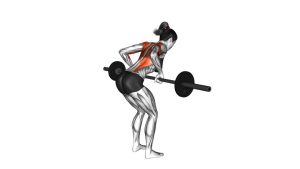
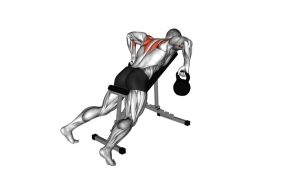
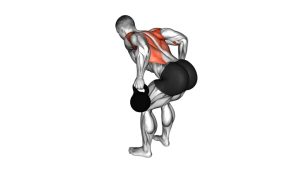
Kettlebell Head-Supported Row: Proper Form, Sets, Tips & FAQ
Learn how to perform the Kettlebell Head-Supported Row with proper form to build upper-back strength and improve rowing mechanics. Includes setup, step-by-step execution, sets by goal, mistakes, FAQs, and recommended equipment.
Kettlebell Head-Supported Row
This exercise is excellent for lifters who want a cleaner rowing pattern without relying on momentum. The head support gives you a stable reference point, which can help reduce unnecessary torso movement and improve mind-muscle connection in the back. It works especially well as a hypertrophy exercise, a technique builder for rows, or a joint-friendly option when unsupported bent-over rows feel too demanding on the lower back.
Quick Overview
| Body Part | Upper Back |
|---|---|
| Primary Muscle | Rhomboids and middle trapezius |
| Secondary Muscle | Rear deltoids, latissimus dorsi, biceps, forearms, and core stabilizers |
| Equipment | Two kettlebells and an incline bench |
| Difficulty | Beginner to intermediate |
Sets & Reps (By Goal)
- Muscle building: 3–4 sets × 8–12 reps with controlled tempo and 60–90 seconds rest
- Strength emphasis: 4–5 sets × 5–8 reps using heavier kettlebells and 90–120 seconds rest
- Technique practice: 2–3 sets × 10–15 reps with lighter weight and deliberate pauses at the top
- Warm-up activation: 2 sets × 12–15 reps with easy load and perfect form
Progression tip: Add reps first, then increase load once you can keep the torso stable, the shoulders down, and the squeeze at the top clean on every rep.
Setup / Starting Position
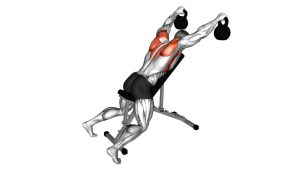
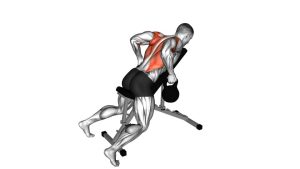
- Adjust the bench: Set an incline bench high enough to support your head comfortably while you hinge forward.
- Stand behind the bench: Hold a kettlebell in each hand with your arms hanging straight down.
- Brace the head lightly: Rest your forehead or upper face gently against the bench pad without pressing hard.
- Set your lower body: Place your feet about hip-width apart and keep a soft bend in the knees.
- Hinge at the hips: Push the hips back until your torso is angled forward and your spine stays neutral.
- Square the shoulders: Let the arms hang naturally below the shoulders and keep the chest open.
A good setup should feel stable and balanced. You should not have to crane the neck or round the back to reach the starting position.
Execution (Step-by-Step)
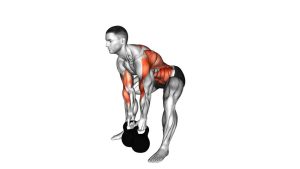
- Start from a dead hang: Let both kettlebells hang directly under your shoulders with the torso fixed in place.
- Initiate with the upper back: Pull the shoulder blades slightly back and down before bending the elbows.
- Row the bells upward: Drive the elbows back close to your sides and pull the kettlebells toward the lower ribs or upper waist.
- Squeeze at the top: Pause briefly when the elbows pass the torso and contract the mid-back hard without shrugging.
- Lower under control: Extend the arms slowly until you return to the starting position with a full stretch.
- Repeat smoothly: Keep every rep strict, balanced, and free from jerking or swinging.
Pro Tips & Common Mistakes
- Pull with the elbows, not the hands: Think about driving the elbows back to make the back muscles do more work.
- Keep the neck relaxed: The bench supports your head, but you should not push aggressively into it.
- Use a full range you can control: Let the arms extend at the bottom, then row without losing spinal position.
- Avoid shrugging: Lifting the shoulders too high shifts emphasis away from the mid-back.
- Don’t yank the weight: Momentum reduces tension on the target muscles and makes the movement less effective.
- Stay hinged: Do not stand up as you row. The torso angle should stay nearly unchanged throughout the set.
- Match both sides: Keep the kettlebells moving evenly so one arm does not dominate the rep.
FAQ
What muscles does the kettlebell head-supported row target most?
This variation mainly targets the rhomboids and middle traps. It also trains the rear delts, lats, biceps, and forearms as supporting muscles.
Why use head support instead of a regular bent-over row?
Head support can make the exercise more stable and easier to control. Many lifters find that it reduces lower-back fatigue and helps them focus more directly on upper-back contraction.
Should the elbows stay close to the body?
Yes, in most cases a close-to-body elbow path works best for this version. It keeps the row efficient and helps you feel the back muscles working without turning the rep into a loose, flared-arm pull.
How heavy should I go?
Choose a weight that lets you pause briefly at the top and lower the kettlebells under control. If your torso shifts around or the rep becomes jerky, reduce the load.
Is this exercise good for beginners?
Yes. It can be very beginner-friendly because the setup encourages stricter mechanics. Start light, learn the hinge position, and focus on a controlled squeeze through the upper back.
Recommended Equipment (Optional)
- Adjustable Kettlebell — practical for progressive overload without buying multiple separate kettlebells
- Cast Iron Kettlebell Set — useful if you want dedicated weight options for rows, carries, and other back work
- Adjustable Weight Bench — needed to create a stable head-supported incline setup
- Lifting Straps — helpful if grip fatigue limits back training before the target muscles are fully worked
- Workout Floor Mat — adds stability, protects flooring, and makes kettlebell setup cleaner and quieter
Choose equipment that supports stable positioning and smooth progression. For this exercise, the bench quality and kettlebell grip comfort matter more than flashy extras.