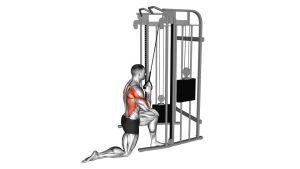
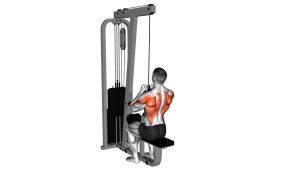
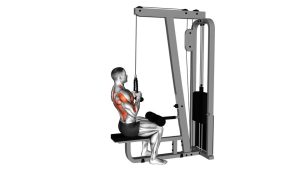
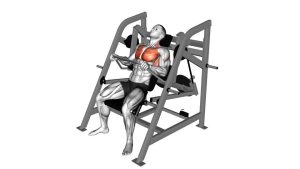
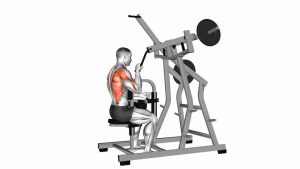
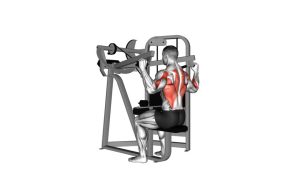
Lever Cross Lat Pulldown: Proper Form, Muscles Worked, Sets & Tips
Learn how to perform the Lever Cross Lat Pulldown with proper form to build lat width and improve back development. Includes muscles worked, setup, step-by-step execution, sets and reps by goal, common mistakes, FAQs, and recommended equipment.
Lever Cross Lat Pulldown
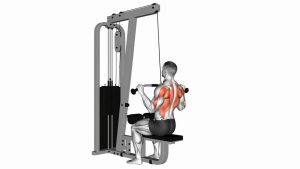
This variation works well for lifters who want to build back width without relying on body swing or excessive momentum. Because the machine guides the path, it can be easier to keep tension on the lats from the stretched position all the way through the squeeze. Focus on smooth reps, full range of motion, and controlled returns rather than using more weight than you can manage cleanly.
Quick Overview
| Body Part | Back |
|---|---|
| Primary Muscle | Latissimus dorsi |
| Secondary Muscle | Teres major, biceps brachii, brachialis, rhomboids, rear deltoids |
| Equipment | Lever lat pulldown machine with independent handles |
| Difficulty | Beginner to Intermediate |
Sets & Reps (By Goal)
- Muscle growth: 3-4 sets × 8-12 reps, 60-90 seconds rest
- Strength-focused machine work: 4-5 sets × 5-8 reps, 90-120 seconds rest
- Technique and mind-muscle connection: 2-3 sets × 12-15 reps, 45-75 seconds rest
- Warm-up or activation before back training: 2 sets × 12-15 controlled reps, light load
Progression rule: Increase the load only when you can reach full stretch, pull with clean elbow drive, and return the handles under control without swinging your torso.
Setup / Starting Position
- Adjust the machine: Set the seat height so you can reach the handles overhead while keeping your torso stable and your thighs secured under the pad.
- Plant your body: Sit tall with feet flat, core braced, and chest gently lifted.
- Take the handles: Grip the independent handles firmly without over-squeezing.
- Start fully extended: Let your arms reach overhead so your lats feel a deep stretch, but do not lose control of the shoulder position.
- Set your posture: Keep the spine neutral and avoid rounding forward or over-arching your lower back.
Tip: Before the first rep, think about pulling your shoulders down slightly so the upper traps do not dominate the movement.
Execution (Step-by-Step)
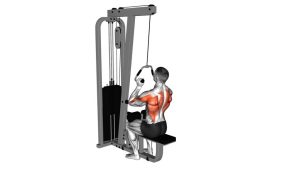
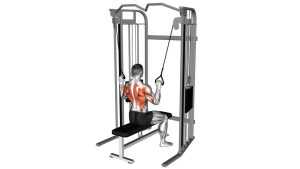
- Begin from the stretch: Start with the arms overhead and the lats lengthened.
- Drive the elbows down: Pull the handles downward in a smooth arc while keeping the movement led by the elbows, not the wrists.
- Follow the machine path: Allow the handles to travel in their slightly inward or crossed line rather than forcing a completely straight path.
- Squeeze at the bottom: Bring the handles down near the upper chest or shoulder line while keeping the chest proud and the torso stable.
- Pause briefly: Hold the contracted position for a moment to reinforce lat engagement.
- Return slowly: Extend the arms back overhead under control and feel the stretch again before starting the next rep.
Pro Tips & Common Mistakes
- Lead with the elbows: Think “elbows down” to improve lat recruitment and reduce arm dominance.
- Use full range: Let the lats stretch at the top, then finish with a strong but controlled contraction.
- Keep the ribcage controlled: A proud chest is good, but avoid flaring the ribs excessively.
- Do not yank the handles: Fast, jerky reps reduce tension on the target muscles and increase joint stress.
- Avoid leaning too far back: Too much torso angle shifts the exercise away from a pulldown and closer to a row.
- Do not shrug up: Keep the shoulders from riding up toward the ears as you pull.
- Match the load to the machine path: Because this version can create a strong squeeze, moderate weight often works better than max loading.
FAQ
What muscles does the Lever Cross Lat Pulldown work most?
The main target is the latissimus dorsi. The exercise also involves the teres major, biceps, and other upper-back muscles that help stabilize the pull.
Is this better than a regular lat pulldown?
It is not automatically better, but it can be excellent for lifters who feel their lats more effectively with a guided machine path and a slightly inward pulling angle. It is a strong option for focused lat work.
Should I pull the handles to my chest?
Yes, in most cases the handles should finish around the upper chest or shoulder line, depending on the machine design and your shoulder comfort. The key is reaching a strong contraction without losing posture.
How heavy should I go?
Use a load that lets you keep the torso stable, get a full stretch overhead, and lower the handles back up under control. If you have to swing or shorten the range, go lighter.
Can beginners use this exercise?
Yes. Because the machine provides stability, beginners can often learn lat engagement more easily here than with some free-weight back movements.
Recommended Equipment
- Lifting Straps — helpful when grip fatigue limits your back training before your lats are fully challenged
- Lat Pulldown Attachment Set — useful if you also train on cable stations and want more grip options for back work
- D-Handle Cable Attachment — great for unilateral pulling work and improving side-to-side back development
- Resistance Band Set — useful for lat activation drills, warm-ups, and extra volume outside the machine
- Liquid Chalk — improves grip security on pulling movements without relying entirely on gloves
Choose accessories that improve control and comfort, not shortcuts that hide poor technique.