Dumbbell Decline Pullover: Form, Muscles Worked, Sets, Tips & FAQ
Learn how to do the Dumbbell Decline Pullover with proper form to target the lats, chest, and serratus. Includes setup, execution, sets by goal, common mistakes, FAQs, and recommended equipment.
Dumbbell Decline Pullover
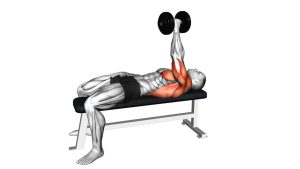
This exercise works best when performed with a controlled eccentric and a clean arc path. The goal is to feel a strong stretch through the upper lats and ribcage area, followed by a smooth pull back to the top without losing shoulder position. A moderate load is usually more effective than chasing heavy reps, because this movement rewards tension, positioning, and consistency.
Quick Overview
| Body Part | Back |
|---|---|
| Primary Muscle | Latissimus dorsi |
| Secondary Muscle | Pectoralis major, serratus anterior, teres major, long head of the triceps |
| Equipment | Single dumbbell and decline bench |
| Difficulty | Intermediate |
Sets & Reps (By Goal)
- Muscle growth: 3-4 sets × 8-12 reps with controlled lowering and 60-90 seconds rest
- Lat stretch and control: 2-4 sets × 10-15 reps using a lighter load and slower tempo
- Accessory back work: 2-3 sets × 12-15 reps after rows or pull-downs
- Technique practice: 2-3 sets × 8-10 reps with a very manageable weight and perfect form
Progression rule: Add reps first, then add load in small jumps only when you can keep the arc smooth, the ribcage stable, and the shoulders comfortable through the full range.
Setup / Starting Position
- Set the bench: Position a decline bench securely and anchor your feet under the pads.
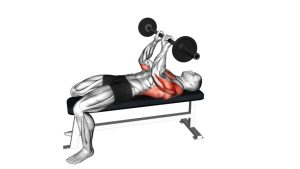
- Grab one dumbbell: Hold the top end of the dumbbell with both hands so the weight stays centered and stable.
- Lie back on the bench: Keep your head, upper back, and hips supported while maintaining a firm brace through the torso.
- Start above the chest: Extend the dumbbell over the chest with a slight bend in the elbows.
- Set shoulder position: Keep the shoulders packed and avoid shrugging before beginning the rep.
Tip: Use a lighter dumbbell than you would expect at first. This movement feels much harder when performed with full control and a deep stretch.
Execution (Step-by-Step)
- Brace and inhale: Lock in your torso and keep your wrists neutral.
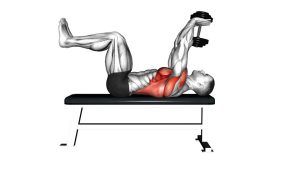
- Lower in an arc: Bring the dumbbell slowly backward behind the head while keeping a soft, fixed bend in the elbows.
- Feel the stretch: Lower only as far as you can maintain shoulder control and tension through the lats and upper torso.
- Pull back up: Reverse the path by driving through the shoulders and lats, bringing the dumbbell back above the chest.
- Finish under control: Stop above the chest without turning the top into a press or letting the elbows flare excessively.
Pro Tips & Common Mistakes
- Keep a slight elbow bend: Too much elbow motion turns the exercise into a triceps extension.
- Use a slow eccentric: The lowering phase is where much of the stretch benefit happens.
- Do not overarch: Keep the ribs from flaring too much as the dumbbell moves behind the head.
- Stay in your shoulder-safe range: More range is not always better if shoulder position breaks down.
- Don’t rush the top: Bring the dumbbell back over the chest smoothly instead of bouncing out of the bottom.
- Train it after major pulls: It works well after rows, pull-ups, or pulldowns as a stretch-focused accessory.
FAQ
What muscles does this exercise work the most?
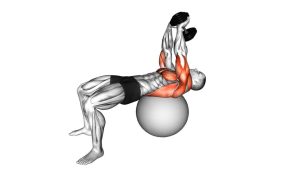
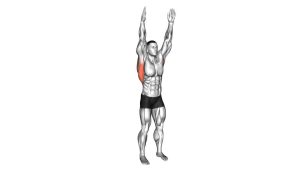
The main target is the latissimus dorsi. The chest, serratus anterior, teres major, and long head of the triceps also assist, especially depending on your arm angle and range of motion.
Is this more for chest or back?
In most setups, especially with a clean shoulder arc and controlled tempo, it is used primarily as a lat-focused back accessory. Some lifters will still feel meaningful chest involvement.
How heavy should I go on decline pullovers?
Use a load you can control without shoulder discomfort. Most lifters get better results from a moderate dumbbell and strict form than from going too heavy.
Should my elbows stay locked?
No. Keep a slight bend in the elbows, but do not let that angle change too much during the rep. The movement should come mostly from the shoulders.
Can beginners do this exercise?
Yes, but many beginners do better starting with a flat-bench pullover or a lighter decline variation first. Shoulder mobility and control matter more than strength here.
Recommended Equipment
- Adjustable Decline Bench — essential for safely setting up the exercise with stable body positioning
- Adjustable Dumbbells — practical for progressive overload and home gym flexibility
- Lifting Straps — helpful if grip fatigue limits your pulling sessions
- Resistance Bands Set — useful for shoulder warm-ups, lat activation, and accessory work
- Loop Exercise Bands — great for mobility drills and upper-back activation before training
Tip: The most important tools here are a stable bench and a dumbbell you can control through the full arc without losing position.